

Field researcher, animal behavior specialist, and Dog lover
Puppies from America’s most trusted breeder network.
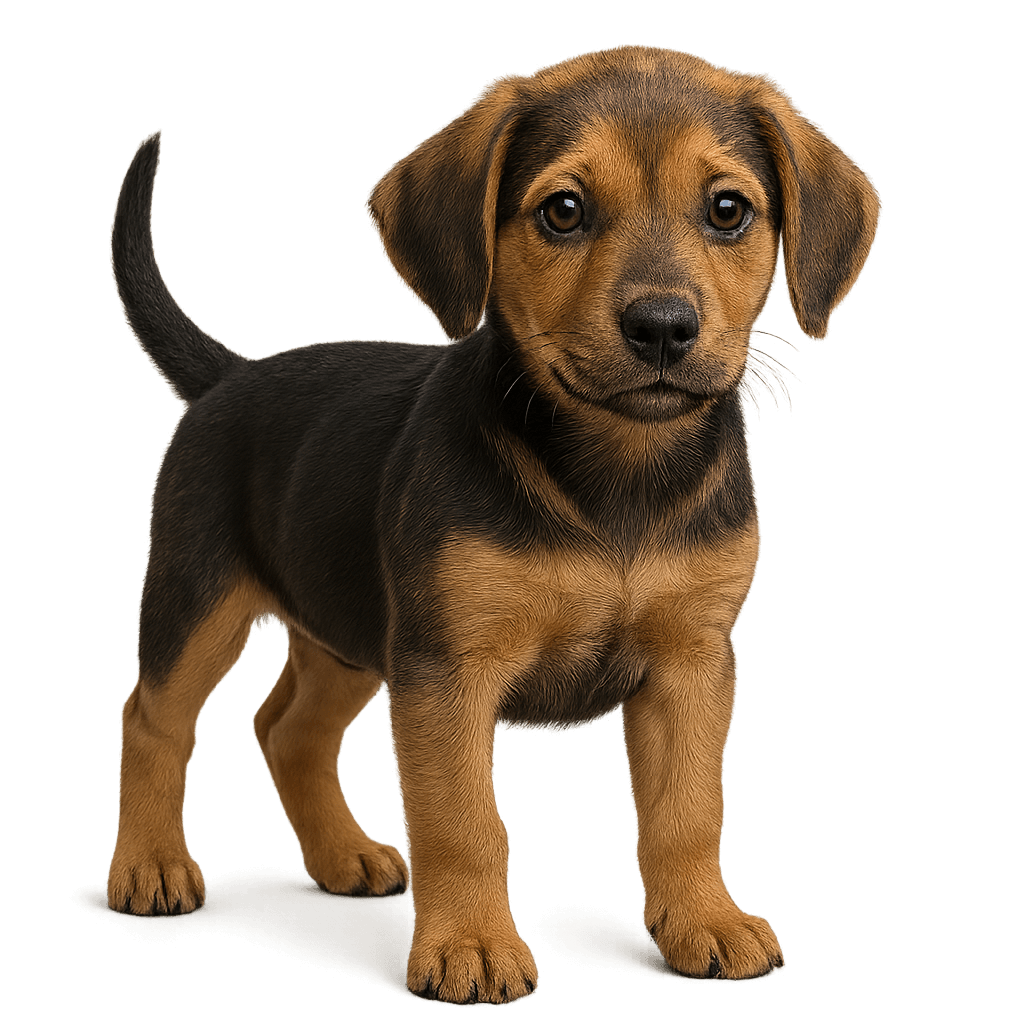
I’ve spent years watching dogs work through their natural instincts in the mountains, and I can tell you right now—the Plott Hound Beagle mix is one of those combinations that makes complete sense on paper and even more sense in practice. You’re looking at two scenthound breeds with serious tracking credentials, mixed into one driven, nose-to-the-ground hunting machine. This isn’t a designer breed you’ll find at trendy urban dog parks. This is a working dog with serious prey drive and an independent streak that’ll challenge even experienced handlers. If you’re searching for a couch companion or a dog that follows your every command without question, keep scrolling. But if you want a dog that lives to track, hunt, and use that incredible nose, we need to talk.
The Plott Hound is North Carolina’s state dog, and there’s good reason for that. Originally bred by German immigrant Johannes Plott in the 1750s, these dogs were developed specifically for hunting wild boar and bear in the Appalachian Mountains. That’s not retriever work or herding—that’s tracking dangerous game through rough terrain with relentless determination. Plott Hounds typically stand 20-25 inches tall and weigh 40-60 pounds, with a distinctive brindle coat and muscular build. They’re pack dogs with strong prey drive, remarkable stamina, and a voice that carries across valleys.
What sets Plotts apart is their cold-nose tracking ability—they can follow old scent trails that other hounds might miss. They’re also notoriously stubborn and independent, bred to make their own decisions when tracking game miles from their handler. In my opinion, that independence is what makes them brilliant hunters but challenging family pets if you don’t understand what you’re working with.
Beagles bring a completely different energy to the mix. These compact scenthounds typically weigh 20-30 pounds and were bred in England for rabbit hunting in packs. They’re sociable, vocal, and driven entirely by their noses. Where Plotts are known for big-game hunting, Beagles excel at tracking smaller prey through brush and bramble with remarkable accuracy.
Beagles are more people-oriented than Plotts, historically working closely with hunters on foot rather than ranging far ahead. They’re also notorious for being food-motivated and easily distracted by scent—traits that make training both easier and harder, depending on your approach. Their friendly temperament has made them one of America’s most popular family dogs, but that same nose that makes them excellent hunters also leads them straight into trouble when they catch an interesting scent.
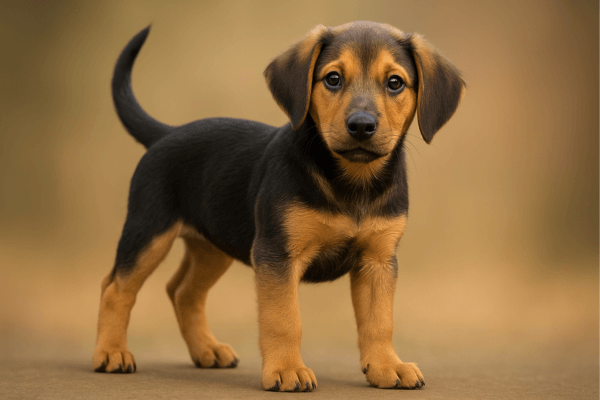
Expect a medium-sized dog weighing anywhere from 30-60 pounds, standing 15-24 inches tall depending on which parent they favor. This wide range means you’re taking a genetic gamble—you might get a compact Beagle-sized dog or something closer to a full Plott. The coat is typically short to medium length with minimal grooming needs, often showing Plott brindle patterns mixed with Beagle’s tricolor markings. Some pups come out looking almost entirely like one parent, while others show a true blend.
What I find most consistent in this mix is the athletic build and deep chest—both parent breeds are built for endurance work, and their offspring inherit that same muscular, efficient structure. You’ll notice long ears, a blocky head, and that characteristic hound expression. These dogs are built to move all day through rough terrain, and their physical structure reflects that purpose.

Let me be blunt: if you’re not prepared to work with a dog whose entire existence revolves around scent, this mix will drive you crazy. Both parent breeds are scenthounds, meaning their noses override everything else—commands, treats, even their own safety. I’ve watched hounds lock onto a trail and become completely deaf to the world around them. That’s not disobedience; that’s thousands of years of selective breeding doing exactly what it’s supposed to do.
This mix excels at tracking work, nosework games, and any activity that lets them use those incredible olfactory abilities. Without proper outlets for this drive, you’ll find them tracking the neighbor’s cat, digging under fences to follow scent trails, or baying at wildlife all night. That scenthound brain needs a job, and if you don’t provide one, they’ll create their own—and you won’t like their choices.
Both parent breeds were developed to work in packs, which typically translates to good socialization with other dogs in the mix. However, that same pack instinct can lead to separation anxiety when left alone and excessive vocalization when they’re bored or excited. Beagles are notoriously chatty, and Plotts have a deep, carrying bay—combine those traits and you’ve got a dog that will absolutely not work in apartments or neighborhoods with noise restrictions.
With humans, you’ll generally see the Beagle’s friendly nature tempered by the Plott’s more reserved watchfulness. They’re typically good with family members but may be aloof with strangers until properly introduced. This isn’t an aggressive mix, but they’re not going to greet every person like a long-lost friend either.
Here’s where I need to be completely honest with you: training a Plott Hound Beagle mix requires understanding that you’re working with a dog that was specifically bred to ignore humans when they’re on a scent trail. That independent decision-making that makes them brilliant hunters makes them frustrating students in basic obedience. They’re not dumb—far from it—but they’re selectively obedient based on what they think is more important at any given moment.
Traditional obedience training methods that work beautifully on biddable breeds like Labs or Golden Retrievers often fall flat with scenthounds. You need to make training more interesting than whatever their nose is telling them, which means high-value rewards, short sessions, and realistic expectations. A reliable recall is possible but requires consistent work and an understanding that even a well-trained hound might choose to follow a hot scent trail instead of coming when called.
What I’d recommend is channeling that natural tracking instinct into structured nosework or tracking sports. Give them a job that uses their breeding, and they’ll work with incredible focus and enthusiasm. Try to force them into activities that go against their instincts, and you’ll both end up frustrated. If you’re looking for a dog similar in energy but different in temperament, you might want to research the Pekingese Beagle Mix, though that combination creates an entirely different set of characteristics.
Plan on providing at least 60-90 minutes of vigorous exercise daily, and I’m not talking about a casual walk around the block. These dogs need to run, track, and engage their minds through scent-based activities. A bored Plott Hound Beagle mix is a destructive, noisy nightmare. I’ve seen what understimulated hounds do to homes, and it’s not pretty—chewed furniture, destroyed doors, holes dug throughout the yard, and enough howling to get you evicted.
The best activities for this mix include:
What concerns me is when people underestimate the mental stimulation component. Physical exercise alone won’t tire out a scenthound’s brain. They need to use their noses in challenging ways, solving scent puzzles and tracking problems. Fifteen minutes of focused nosework will tire them out more effectively than an hour of mindless fetch.
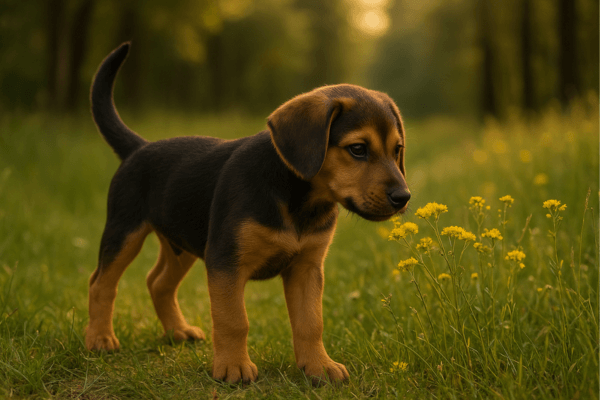
This mix is absolutely not suitable for apartment living. They need space, both indoors and out, with secure fencing at least 5-6 feet tall. Both parent breeds are talented escape artists when they catch an interesting scent, and an underground electric fence won’t stop a hound on a mission—they’ll run right through the shock if the prey drive is strong enough.
Ideal living situations include rural or suburban homes with large yards, preferably in areas where their vocal nature won’t disturb neighbors. If you live somewhere with leash laws and HOA noise restrictions, this probably isn’t your dog. They’re going to bay, howl, and vocalize—it’s genetic, not a training issue. You can manage it to some degree, but you can’t eliminate it entirely without breaking the dog’s spirit.
Consider your neighbors’ tolerance levels honestly. A Plott Hound Beagle mix at full bay is loud enough to carry across multiple properties, and that’s not something training will completely eliminate. In my opinion, if you have to worry constantly about noise complaints, you’re setting yourself up for stress and setting the dog up for failure.
Generally, this mix benefits from hybrid vigor, meaning they’re typically healthier than either parent breed alone. However, you should still be aware of potential inherited conditions from both sides:
Lifespan typically ranges from 10-15 years, which is solid for a medium-sized dog. Regular veterinary care, appropriate exercise, and maintaining a healthy weight are critical. These are athletic dogs that shouldn’t carry excess weight—extra pounds put serious strain on joints and shorten their working life considerably.
What I find impressive about this mix is their general hardiness and resilience. They’re not typically prone to the extensive health problems you see in some purebred lines, but that doesn’t mean you should skip health screenings from reputable breeders or rescues.
This is one area where the mix is refreshingly low-maintenance. Expect minimal grooming requirements—weekly brushing to remove loose hair and distribute skin oils, occasional baths when they’ve rolled in something disgusting (and they will), and regular nail trims. Both parent breeds have weather-resistant coats that naturally repel dirt to some degree.
However, those long hound ears require attention. Check and clean them weekly to prevent infections, especially if your dog spends time in water or dense vegetation. Ear infections are common in drop-eared breeds, and prevention is far easier than treatment. Also be prepared for moderate shedding year-round—they’re not hypoallergenic by any stretch.
The ideal owner for a Plott Hound Beagle mix is someone who genuinely appreciates working scenthounds and understands their limitations. You should have:
This mix works beautifully for hunters, tracking enthusiasts, or active families who live in rural areas and want a dog with serious working ability. They’re not for first-time dog owners, people who work long hours away from home, or anyone expecting a biddable, quiet companion. If you surely know how frustrating it can be to have a dog that ignores commands when distracted, you’ll understand why this mix requires experienced handling.
You’re unlikely to find this specific mix from dedicated breeders—it’s not a popular designer breed like Labradoodles or Goldendoodles. Your best options are hound-specific rescues, hunting dog rescues, or general shelters in areas where both parent breeds are common. Southern states, particularly North Carolina and nearby regions, are more likely to have this mix available.
Adoption fees typically range from $100-$350 through rescues, while the rare breeder producing this mix might charge $300-$600. Be extremely cautious of anyone breeding this cross intentionally without clear purpose—legitimate breeders focus on working ability and temperament, not just creating unusual mixes for profit.
When evaluating a potential dog, watch for prey drive intensity, sociability with other dogs, and reaction to novel scents. A good rescue or breeder will honestly assess the individual dog’s drive level and help match you with the right intensity for your lifestyle and experience level.
The Plott Hound Beagle mix isn’t for everyone, and frankly, that’s a good thing. These are purpose-bred working dogs that need jobs, space, and owners who appreciate their unique qualities rather than fighting against them. In the right hands—experienced hound people who understand scenthound drive and provide appropriate outlets—they’re incredible partners for tracking work, hunting, or nosework sports.
But if you’re looking for an obedient companion that’ll heel perfectly on walks and come reliably when called in any situation, keep looking. These dogs will break your heart with their independence and frustrate you with their selective hearing. What they’ll also do is show you what thousands of years of selective breeding for scent work looks like in action, and if that’s what calls to you, this mix might be exactly what you need. Just make sure you’re ready for the reality of living with a nose that never stops working.