


Field researcher, animal behavior specialist, and Dog lover
Puppies from America’s most trusted breeder network.
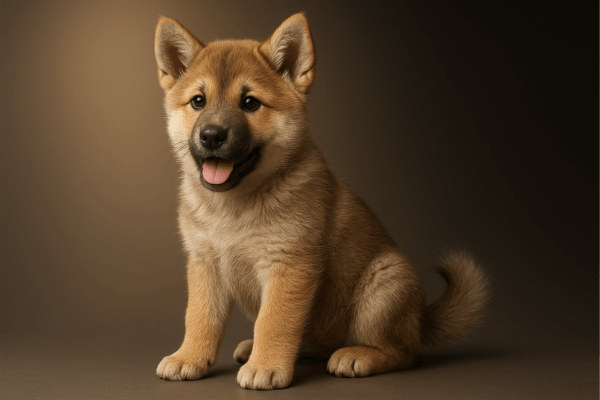
If you’re drawn to the loyalty of an Akita and the boundless energy of a Siberian Husky, you’ve probably stumbled across the Akita Husky mix—sometimes called a Huskita. This is a big, striking dog that turns heads on trails and demands respect in the dog park. But let me be straight with you: this isn’t a mix for casual dog owners. These dogs pack serious personality, high exercise needs, and a stubborn streak that’ll test your patience and your leadership. From my perspective, the Huskita is one of the most rewarding—and challenging—mixes out there, especially if you’re into active outdoor living and you understand what working breeds actually need.
The Husky is a high-energy sled dog bred for endurance and independence in brutal Arctic conditions. That means stamina for days, a strong prey drive, and a mind of their own. They’re friendly, social, and generally great with people—but they’re also notorious escape artists and vocal communicators. If you’ve never heard a Husky argue back, you’re in for a surprise. They’re built for running, and without enough physical and mental work, they’ll redecorate your house in creative ways.
The Akita is a completely different animal. Originally bred in Japan for hunting large game and guarding, Akitas are calm, dignified, and intensely loyal to their family. But they’re also territorial, reserved with strangers, and can be dominant toward other dogs. They don’t need constant motion like a Husky, but they demand respect and clear leadership. This is a breed that thinks for itself—and won’t follow orders just because you asked nicely.
So what happens when you cross these two powerhouses? You get a dog that’s somewhere between a marathon runner and a samurai. The Huskita typically inherits the Husky’s energy and sociability, tempered by the Akita’s loyalty and wariness. The result is a dog that’s affectionate with family, potentially aloof with strangers, and needs a job—whether that’s hiking, pulling, or advanced nosework. This mix is smart, strong-willed, and not interested in being a couch companion.
You’re looking at a large dog, plain and simple. Most Huskitas stand between 22 and 26 inches at the shoulder and weigh anywhere from 50 to 75 pounds, with males typically on the heavier end. They’re muscular and athletic, often with the Husky’s wolfish face and striking eyes—sometimes blue, sometimes brown, occasionally one of each. The Akita influence can show up in a broader head, curled tail, and more substantial bone structure.
The coat is a thick double coat that sheds year-round and blows out spectacularly twice a year. If you’re not okay with fur on everything you own, this isn’t your dog. I’m talking tumbleweeds of undercoat during spring and fall. You’ll need to brush several times a week minimum, daily during shedding season. Colors vary widely—black and white, gray and white, red, brown, even solid white or brindle patterns. Each puppy is a visual surprise.
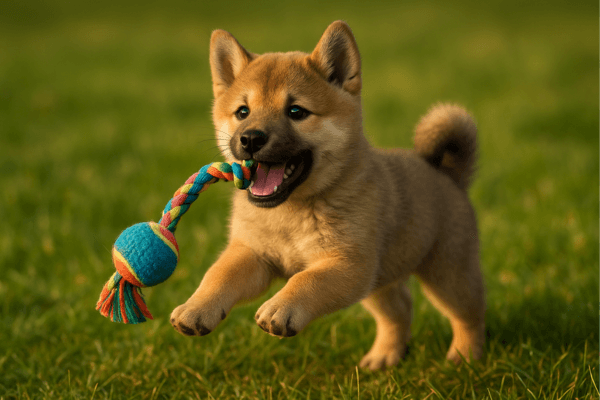
The Huskita tends to be deeply loyal to their family, thanks to the Akita side. They’re not the type to warm up to every stranger at the park, and that’s actually a feature, not a bug, if you value a dog with discernment. With their people, they can be affectionate and playful, though don’t expect a Labrador-style enthusiastic greeting every time you walk in the door. They show love in quieter, more dignified ways—leaning against you, following you room to room, keeping watch.
Both parent breeds are notoriously independent, and the mix doesn’t dilute that trait. Huskitas think for themselves and won’t robotically obey commands. In my opinion, this makes them fascinating companions, but frustrating if you expect a Golden Retriever’s eagerness to please. Training requires consistency, patience, and a willingness to earn their respect rather than demand it. If you’re looking for a dog that’ll blindly follow orders, keep looking.
This is where things get real. The Husky brings a strong prey drive, and the Akita can add dog-selectivity or outright aggression, especially toward same-sex dogs. That means small animals—cats, rabbits, chickens—are often not safe around an unsupervised Huskita. And dog parks? Proceed with extreme caution. Some individuals are fine with other dogs if socialized early and often, but many are not. This is a mix that needs early, extensive socialization and a realistic assessment of their tolerance levels.
Let me be blunt: if you’re not active, don’t get this dog. A Huskita needs at least 90 to 120 minutes of vigorous exercise daily—and I’m talking about real activity, not a leisurely stroll around the block. Think trail running, bikejoring, weight pulling, or long hikes with elevation gain. Mental exercise is just as critical. These dogs are smart and easily bored, and a bored Huskita is a destructive Huskita.
Nosework is particularly effective with this mix. Both parent breeds have excellent scenting ability, and teaching a Huskita to track or search gives them a job that tires out their brain. In Montana, I’ve watched these dogs thrive when given scent-based tasks—it channels their independence and intelligence into something productive. A tired mind really is the key to a happy, manageable Huskita.
If you’re thinking a fenced yard is enough, think again. These dogs are notorious escape artists. Huskies can dig under, jump over, or squeeze through fencing, and Akitas are clever problem-solvers. You’ll need a secure, tall fence—at least six feet—and regular inspection for weak spots. Off-leash freedom outside a secure area is a gamble you’ll probably lose.
Training a Huskita is not optional—it’s survival. These dogs need early socialization starting the day you bring them home. Expose them to different people, environments, sounds, and, carefully, other animals. The Akita’s territorial and protective instincts can develop into serious behavioral issues if not addressed early. The Husky’s independent streak means you’ll need to be patient and creative. Positive reinforcement works best, but you also need to be firm and clear about boundaries.
This mix respects confident, calm leadership. If you’re inconsistent, they’ll exploit it. If you’re harsh, they’ll shut down or push back. The goal is to be a benevolent leader—clear, fair, and trustworthy. I’d recommend working with a trainer experienced in Northern and guardian breeds if this is your first strong-willed dog. Group obedience classes are useful for socialization, but private sessions may be necessary for behavioral fine-tuning.
Let’s be honest: recall with a Huskita is often unreliable, especially if something interesting catches their attention. The Husky’s drive to run and the Akita’s independent decision-making mean that off-leash reliability is hard-won and never guaranteed. I’d recommend keeping them on a long line during training and only allowing off-leash time in securely fenced areas. It’s not about mistrust—it’s about respecting their instincts.
The Huskita typically lives 10 to 13 years, which is decent for a large breed. However, they can inherit health issues from both sides. Hip dysplasia is common in both parent breeds, so responsible breeders should provide OFA or PennHIP evaluations. Progressive retinal atrophy and cataracts are concerns from the Husky side, while Akitas can pass on hypothyroidism and autoimmune conditions.
One serious concern is bloat or gastric torsion, especially given the Akita’s deep chest. This is a life-threatening emergency where the stomach twists, cutting off blood flow. Feeding smaller meals, avoiding exercise right after eating, and knowing the symptoms can be lifesaving. I’d also recommend regular thyroid panels and eye exams as your dog ages.
Overall, this mix tends to be fairly robust, but veterinary costs can add up. Budget for annual checkups, vaccinations, and a health emergency fund. You’re looking at $1,200 to $2,500 annually for routine care, quality food, and preventive measures—not including emergencies or advanced treatments.
If you don’t like dog hair, stop reading now. The Huskita sheds constantly and blows their coat heavily twice a year. During those periods, you’ll be brushing daily and still finding fur everywhere. An undercoat rake and slicker brush are essential tools. Regular brushing helps manage the shedding and keeps their coat healthy, but you’ll never eliminate it.
Bathing is only necessary a few times a year unless they get into something foul. Their coat naturally repels dirt, and over-bathing strips essential oils. Nail trimming, ear cleaning, and dental care are standard maintenance. Some Huskitas inherit the Akita’s tighter, cat-like feet, which can make nail trimming easier, but it varies by individual.
The Huskita is not an apartment dog. They need space—both indoors and out. A house with a securely fenced yard is the bare minimum. Rural or suburban settings work best, where you have access to trails, open space, and room to run. Urban living is possible if you’re committed to multiple daily outings and can provide adequate exercise, but it’s far from ideal.
This mix does best in cooler climates. Both parent breeds have thick coats designed for cold weather, and they can struggle in heat and humidity. If you live in a warm area, you’ll need to exercise early in the morning or late in the evening and provide plenty of shade and water. Heat exhaustion is a real risk.
This is where things get nuanced. A well-socialized Huskita can be great with older children who understand how to respect a dog’s space and boundaries. They’re generally patient and protective of family members. However, I wouldn’t recommend this mix for households with very young children. Akitas can be intolerant of rough handling, and Huskies can be exuberant and accidentally knock over small kids.
As for other pets, it’s a gamble. Socialization is critical, but even then, many Huskitas retain a strong prey drive. Cats, small dogs, and other animals may not be safe, especially if the dog isn’t supervised. Same-sex dog aggression is also a concern, particularly in males. If you have other pets, meet potential puppies and parents carefully, and be prepared for management strategies like crate-and-rotate or separate spaces.
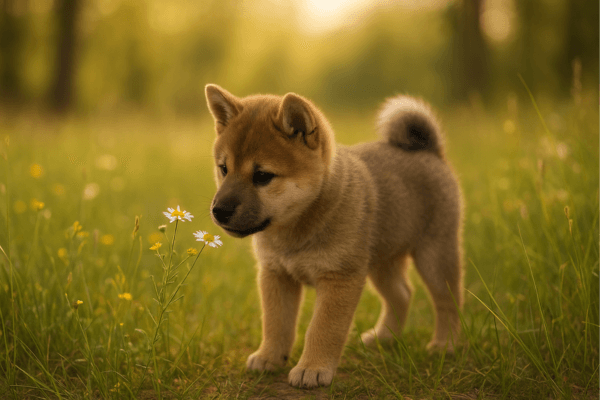
Huskitas aren’t as common as some designer mixes, but they’re out there. If you’re going the breeder route, expect to pay $700 to $1,500, occasionally more if both parents have health clearances and proven temperaments. Be wary of backyard breeders—ask for health testing documentation, meet the parents, and see the living conditions. Responsible breeders will ask you as many questions as you ask them.
Adoption is another solid option. Both Huskies and Akitas end up in shelters and breed-specific rescues frequently, and mixes show up too. Adoption fees typically range from $100 to $400 and often include spaying/neutering and initial vaccinations. Rescues can also give you a better sense of the dog’s actual temperament since they’ve been evaluated in a foster setting. If you’re open to an adult dog, this route can save you the chaos of puppyhood.
For those considering similar mixes, you might also look into the Labrador Akita mix, which tends to have a slightly softer temperament thanks to the Lab’s influence, though it still requires an experienced owner.
Bringing home a Huskita is just the beginning. You’re looking at $1,500 to $3,000 in the first year when you factor in vaccinations, spay/neuter, initial supplies, training classes, and unexpected vet visits. Annual costs settle around $1,200 to $2,500 depending on food quality, grooming needs, and health issues.
High-quality food is non-negotiable for a large, active dog. Budget $60 to $100 per month for premium kibble or raw feeding. Add in treats, supplements, and the occasional emergency vet visit, and it adds up. Pet insurance is worth considering—policies for large breeds run $40 to $80 monthly but can save you thousands in a crisis.
I’ll be honest: the Huskita isn’t for everyone, and I worry when I see people attracted to the looks without understanding the commitment. This is a dog that requires experienced handling, significant time investment, and a lifestyle that prioritizes the dog’s needs. If you work long hours, travel frequently, or prefer a low-maintenance pet, this mix will overwhelm you.
The potential for dog aggression and prey drive is another serious concern. Even with perfect socialization, some Huskitas simply aren’t safe around other animals. That limits your options for doggy daycare, boarding, and social activities. It’s a reality you need to accept going in, not something you can train away in every case.
That said, when matched with the right owner, the Huskita is extraordinary. They’re loyal, intelligent, and capable of incredible feats of endurance and focus. I’ve seen these dogs excel in scent work, pulling sports, and even search-and-rescue training. They have a dignity and presence that’s rare in dogs, and their bond with their people runs deep.
If you’re an active outdoors person who values a dog that’s more partner than pet, the Huskita ticks all the boxes. They’re built for adventure, they thrive on challenge, and they’ll push you to be a better handler. That’s not a burden—it’s a gift.
The Akita Husky mix is a powerful, intelligent, and demanding dog that rewards the right owner with loyalty and companionship unlike anything else. But let’s be clear: this is not a beginner’s dog, and it’s not a casual commitment. If you’re drawn to the Huskita, take a hard look at your lifestyle, experience level, and willingness to invest serious time in training and exercise. If you can meet those needs, you’ll have a partner built for adventure and a bond that runs deep. If you can’t, do both yourself and the dog a favor and choose a different breed.


