


Field researcher, animal behavior specialist, and Dog lover
Puppies from America’s most trusted breeder network.

Look, I’ll be straight with you—the Akita Staffordshire Mix is not a combination you see every day, and frankly, there’s a reason for that. When you cross the independent, territorial nature of an Akita with the tenacious, high-drive personality of a Staffordshire Terrier (whether that’s an American Staffordshire Terrier or Staffordshire Bull Terrier), you’re playing with some serious canine fire. This isn’t a mix for someone who wants an easygoing companion to chill on the couch—though they’ll happily do that after you’ve worn them out properly. What you get is a powerful, intelligent dog with strong guarding instincts, a stubborn streak, and energy that needs a real outlet. If you’re experienced with strong-willed breeds and can commit to serious training and mental stimulation, this mix might just blow your mind in the best way.
The Akita brings size, loyalty, and a dignified independence that some people mistake for aloofness. Originally bred in Japan for hunting large game and guarding, these dogs are naturally protective and reserved with strangers. They’re not the type to greet every person at the dog park with enthusiastic tail wags—they’re assessing the situation, watching your back. In my experience, that vigilance can be incredible if properly channeled, but it requires an owner who understands the responsibility of handling a dog with serious guarding instincts.
Akitas typically stand 24-28 inches tall and weigh anywhere from 70-130 pounds depending on whether you’re looking at the Japanese or American type. They have a thick double coat that sheds heavily twice a year, and they’re prone to health issues like hip dysplasia, autoimmune disorders, and hypothyroidism. Their energy level is moderate to high, but it’s their mental needs that will surprise you—these dogs get bored easily and need real work to stay satisfied.
On the other side, you’ve got the Staffordshire Terrier—a breed that’s misunderstood more often than not. Whether we’re talking about the American Staffordshire Terrier (50-70 pounds) or the smaller Staffordshire Bull Terrier (24-38 pounds), you’re dealing with a muscular, athletic dog with incredible determination and surprising sensitivity. These dogs were originally bred for bull-baiting and later dog fighting, but modern, responsibly bred Staffies are affectionate, people-oriented dogs with an off-switch indoors when properly exercised.
What makes Staffies stand out is their combination of toughness and sweetness. They’re tenacious when working, but they’re also known for being gentle with their families. That said, they have a high prey drive, can be dog-selective, and need consistent boundaries. They’re smart, trainable, and incredibly food-motivated, which makes them easier to work with than Akitas in many ways—if you can get past their stubbornness.
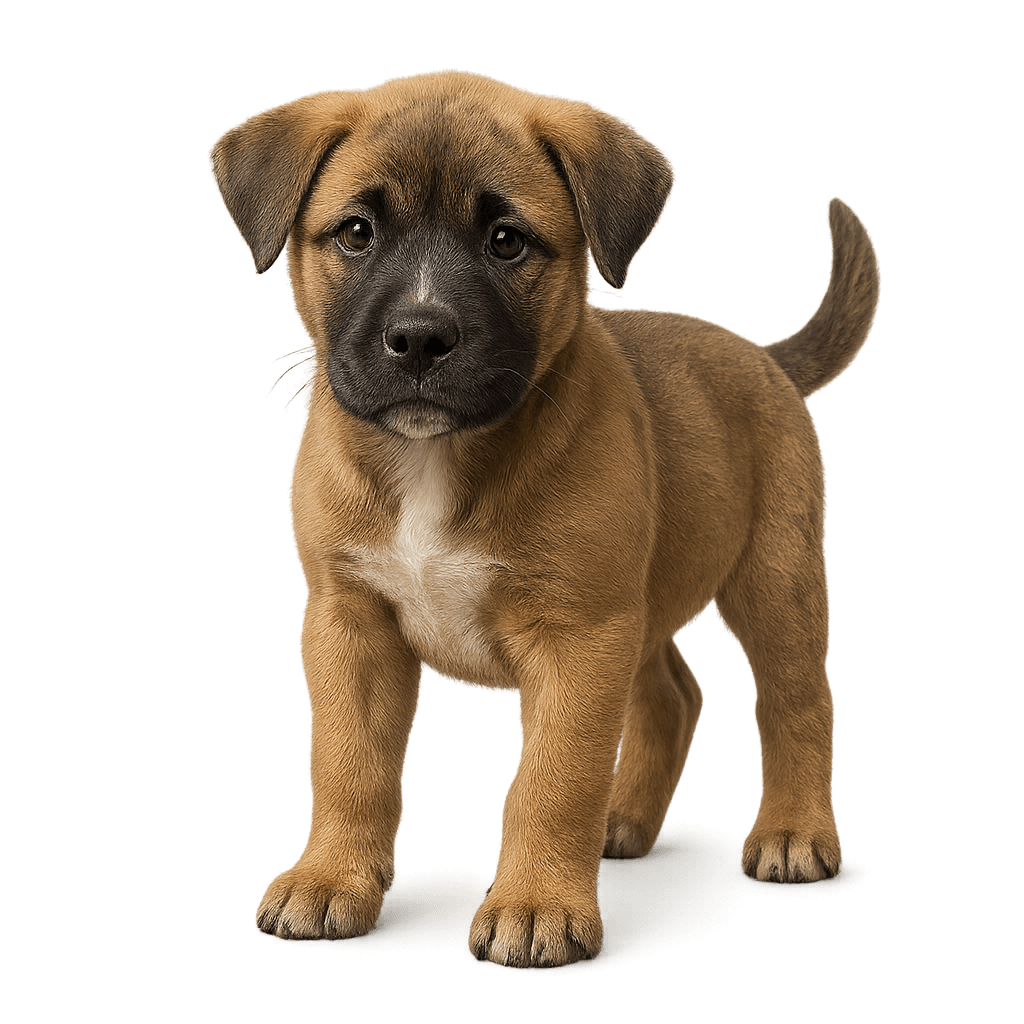
Predicting the exact size and look of an Akita Staffordshire Mix is tricky because you’re crossing two breeds with different builds. Generally, you’re looking at a dog that stands 20-26 inches tall and weighs anywhere from 50-90 pounds, depending on which parent they take after more. If the Akita genetics dominate, expect a larger, heavier dog with that dignified bear-like presence. If the Staffie side comes through stronger, you’ll get a more compact, muscular build with that signature broad chest and powerful hindquarters.
The coat can vary widely. You might get the thick double coat of the Akita, which means serious shedding and regular brushing, or you could end up with the short, sleek coat of the Staffie, which is much easier to maintain. Most likely, you’ll land somewhere in between—a moderately dense coat that sheds year-round and requires weekly brushing. During seasonal blows, plan on daily brushing sessions or you’ll have tumbleweeds of fur rolling through your house.
Color-wise, the possibilities are endless: black, brindle, white, fawn, red, or combinations with masking and markings. Some might inherit the Akita’s plush tail that curls over the back, while others get the Staffie’s straight, tapered tail. The ears could be erect like an Akita’s or rose-shaped like a Staffie’s. It’s honestly a genetic lottery, which is part of what makes this mix so unpredictable.
Let’s talk honestly about what happens when you combine two breeds with strong protective instincts. Both Akitas and Staffordshire Terriers can be territorial and watchful, and when you mix those traits, you get a dog that takes home security very seriously. This isn’t necessarily a bad thing—I love a dog that’s aware of their surroundings—but it means you need to be proactive about socialization and boundaries from day one.
This mix will likely be reserved or cautious with strangers, and they might not appreciate uninvited guests in their space. Early, consistent socialization is non-negotiable. I’m talking about exposing your puppy to different people, environments, sounds, and situations before they’re four months old. Miss that window, and you could end up with a dog that’s overly suspicious or reactive.
Both parent breeds are known for being independent thinkers. The Akita was bred to work autonomously, making decisions while hunting in harsh terrain. The Staffie was bred to be tenacious and persistent, not giving up even when things got tough. Put those traits together, and you’ve got a dog that will question your instructions if they don’t see the point. This isn’t defiance for the sake of it—it’s just how they’re wired.
In my opinion, this makes training both challenging and rewarding. You can’t force these dogs to do anything; you have to make them want to cooperate. Positive reinforcement works best, but you also need to be consistent and clear about rules. They’ll test boundaries, especially during adolescence, and if you’re wishy-washy, they’ll walk all over you.
Here’s where this mix can really shine: with their family, they’re typically deeply loyal and affectionate. The Staffie side brings a sweetness and desire for human contact that softens the Akita’s more aloof nature. Many owners describe their Akita Staffie mixes as velcro dogs at home—always wanting to be near their people, following them from room to room. That bond is powerful, but it also means they can struggle with being left alone for long periods.
With children, it depends heavily on socialization and the individual dog. These mixes can be wonderful with kids they’re raised with, but their size and energy level make them less suitable for families with very young children. They’re strong enough to accidentally knock over a toddler, and they might not tolerate rough handling. Older, dog-savvy kids who understand how to respect a dog’s space? That can work beautifully.
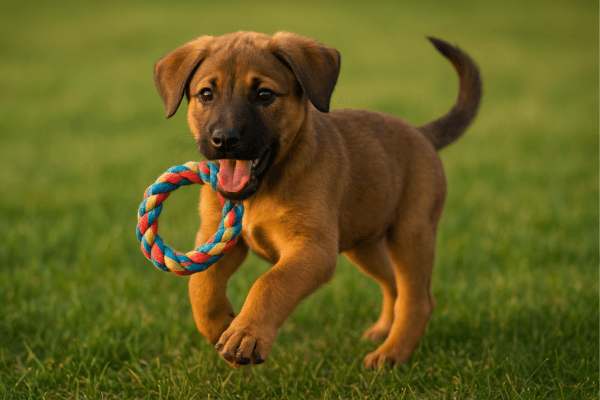
Don’t let anyone tell you this is a low-energy mix. You’re looking at a dog that needs 60-90 minutes of exercise daily, minimum. But here’s the thing—just walking around the block won’t cut it. These dogs need activities that engage both their body and brain. Think long hikes where they can use their nose, structured training sessions, flirt pole work, or even weight pulling if you want to go that route.
What I find impressive about this mix is their versatility. They have the endurance for long outdoor adventures thanks to the Akita side, but they also have the explosive power and drive of the Staffie, which makes them excellent at short, intense activities. A tired Akita Staffordshire Mix is a well-behaved one, but getting them there requires commitment. If you work long hours and don’t have time for serious daily exercise, this isn’t your dog.
Mental stimulation is equally important. These are intelligent dogs that get destructive when bored. I’m talking about the kind of destructive that goes beyond chewing a shoe—think demolished furniture or dug-up yards. Nosework, puzzle feeders, scent games, and training new skills regularly will help keep that brilliant brain occupied. This is exactly the type of dog that thrives on having a job to do.
Training an Akita Staffordshire Mix requires patience, consistency, and a thick skin. These dogs are not naturally eager to please the way a Labrador is. They’re more likely to look at you like, “What’s in it for me?” when you ask for a behavior. That’s where high-value rewards come in—find what really motivates your dog, whether that’s food, toys, or play, and use it strategically.
Start training early. Puppy classes are essential, not just for basic obedience but for socialization. You want your Akita Staffie mix to learn that new people and dogs aren’t threats. However, be mindful of dog park situations—this mix can be dog-selective, especially as they mature, and a bad experience with an overly pushy dog can set back months of socialization work.
I’d recommend working with a trainer who has experience with guardian breeds and terriers. Force-based training methods will backfire with this mix; they’ll either shut down or become defensive. Positive reinforcement with clear boundaries works best. Teach a solid recall early, practice impulse control exercises, and work on neutral responses to triggers. If you’re considering this mix and have similar questions about working with strong-willed crosses, you might also want to check out information on the Akita Ridgeback Mix, which shares some of these training considerations.
One thing that concerns me with this mix is the potential for reactivity on leash. Both parent breeds can be leash reactive, and if you don’t address it early, walks become stressful for everyone. Practice loose-leash walking from day one, reward calm behavior around triggers, and don’t be afraid to create distance when needed. Management is just as important as training.

Like any mix, the Akita Staffordshire can inherit health problems from either parent. From the Akita side, watch out for hip and elbow dysplasie, hypothyroidism, autoimmune disorders, and progressive retinal atrophy (PRA). From the Staffie side, you’re looking at potential issues like skin allergies, heart conditions (particularly in American Staffies), and hip dysplasia as well.
Reputable breeders—if you can find one working with this specific mix—should be doing health screenings on the parents: hip and elbow evaluations, thyroid testing, and eye exams at minimum. If you’re adopting from a rescue, you won’t have that history, but a thorough vet check and being prepared for potential issues is wise.
You can generally expect an Akita Staffordshire Mix to live 10-13 years, which is fairly typical for dogs of this size. Keeping them at a healthy weight is crucial—extra pounds put unnecessary stress on joints, especially if they’re prone to dysplasia. Feed a high-quality diet appropriate for their activity level, and don’t free-feed; this mix can be food-motivated enough to overeat if given the chance.
Regular vet visits, staying current on vaccinations, and preventive care like dental cleanings will help maximize their healthspan. As they age, joint supplements like glucosamine might be beneficial, especially if you notice any stiffness or reluctance to exercise.
Let’s be real: an Akita Staffordshire Mix is best suited to a home with a securely fenced yard. They need space to move, and while they can settle indoors, being cooped up in a small apartment without adequate exercise is a recipe for behavioral problems. The fence needs to be solid—not just for keeping them in, but because their territorial nature means they might fence-fight with neighboring dogs.
This mix is not ideal for first-time dog owners. You need experience reading canine body language, setting boundaries, and handling a strong, potentially reactive dog. If you’ve successfully raised guardian breeds or strong terriers before, you’ll have a better sense of what you’re getting into. But if your only experience is with Golden Retrievers or Beagles, this will be a steep learning curve.
In terms of climate, the coat type matters. If your mix inherits the Akita’s thick double coat, they’ll handle cold weather beautifully but might struggle in extreme heat. Make sure they have access to shade, water, and air conditioning during hot months. If they take after the Staffie’s shorter coat, they’ll do fine in warmer climates but might need a coat in winter.
I’m not going to sugarcoat this: an Akita Staffordshire Mix can be challenging with other animals. Both parent breeds have prey drive, and Akitas in particular are known for being dog-selective, especially with same-sex dogs. Staffies can also have issues with dog aggression if not properly socialized. Combine those traits, and you might have a dog that’s fine with the family cat they grew up with but wants to chase every squirrel and react to strange dogs on walks.
If you have other pets, introducing an Akita Staffie mix as a puppy and managing interactions carefully gives you the best chance of success. But expecting this mix to be social and friendly with every dog they meet at the park? That’s probably unrealistic. Many owners of this mix find that their dog does best as an only pet or with very careful, controlled introductions to other animals.
Grooming needs depend heavily on coat type. If you get the Akita-style double coat, plan on weekly brushing year-round and daily brushing during the spring and fall shedding seasons. You’ll need a good undercoat rake and a slicker brush. These dogs shed enough to knit a sweater—I’m not exaggerating. If your mix leans more toward the Staffie coat, a quick brush once or twice a week and occasional baths will suffice.
Beyond the coat, there’s the usual maintenance: nail trims every few weeks (these strong dogs can wear down their nails naturally if they’re active on pavement), regular ear checks especially if they have the rose-shaped Staffie ears that can trap moisture, and dental care. Brushing teeth several times a week helps prevent the dental disease that plagues many dogs as they age.
Bathing can be done as needed, but don’t overdo it—too frequent bathing strips natural oils and can lead to dry skin. Given that Staffies are prone to skin issues, this is worth keeping in mind. A bath every 6-8 weeks is usually sufficient unless they’ve rolled in something unmentionable on a hike.
Finding a breeder specifically producing Akita Staffordshire mixes is rare, and honestly, I’m not sure I’d trust someone intentionally breeding this combination without a very clear purpose and health testing. If you do find one, expect to pay anywhere from $500-$1500, though prices could be higher or lower depending on location and breeder reputation.
More likely, you’ll find this mix through rescues or shelters, where adoption fees typically run $150-$400. That’s a bargain compared to buying, and you’re giving a dog a second chance. Just be prepared that adult rescues might come with unknown histories or behavioral baggage that requires extra work.
Annual costs for a dog this size run $1200-$2000+ depending on where you live and your dog’s needs. Food alone for a 60-80 pound active dog will run you $50-$80 monthly for quality kibble. Add routine vet care, preventives for fleas/ticks/heartworm, occasional grooming if you don’t do it yourself, training classes, toys, and unexpected vet expenses, and the costs add up quickly. If your dog develops health issues like hip dysplasia or hypothyroidism, ongoing treatment costs can be significant.
This mix is ideal for:
This mix is NOT ideal for:
The Akita Staffordshire Mix is not a dog I’d casually recommend to most people. This is a serious dog for serious owners. If you’re up for the challenge, have the experience, and can provide the structure and outlets this mix needs, you’ll have an incredibly loyal, capable companion who will stick by your side through anything. They’re the kind of dog that will push you to be a better trainer and handler.
But if you’re on the fence, or you’re attracted to this mix because you think they look cool or tough, please reconsider. These dogs end up in shelters too often because people underestimated what they were getting into. They’re not casual pets—they’re working dogs in a family companion’s body, and they need owners who understand and respect that.
What I find most compelling about this mix is their potential for nosework and scent detection. Both parent breeds have solid working drives and good noses. If you channel that energy into structured scent work, you’ll tap into what these dogs were born to do, and you’ll see them come alive in a way that simple fetch or walking never quite achieves. That’s where the magic happens.


