


Field researcher, animal behavior specialist, and Dog lover
Puppies from America’s most trusted breeder network.

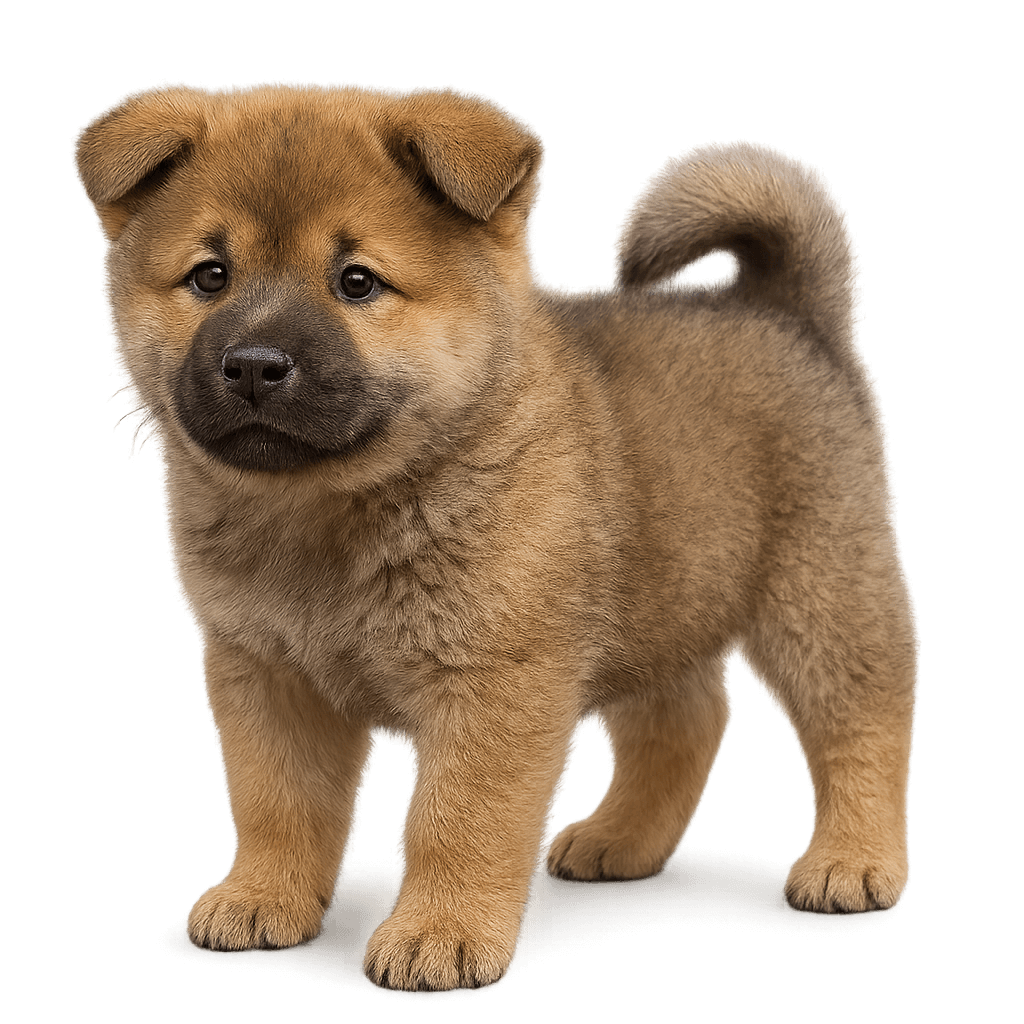
If you’re drawn to the Akita Chow Mix, you’re looking at one of the more complex—and frankly, challenging—designer dogs out there. This isn’t a mix for everyone, and I say that as someone who respects what both parent breeds bring to the table. The Akita’s dignified loyalty combined with the Chow Chow’s independent, sometimes aloof nature creates a dog that demands experience, consistency, and respect. You won’t find this mix bouncing around dog parks making instant friends. What you will find is a powerful, intelligent companion who bonds deeply with their family but needs an owner who truly understands guardian breeds.
Akitas are the dignified samurai of the dog world—loyal to a fault with their people, but reserved and sometimes downright suspicious with strangers. Originally bred in Japan for hunting large game and guarding, they carry that protective instinct in their bones. They’re not aggressive by default, but they’re selective about who gets their affection, and they won’t hesitate to place themselves between you and perceived threats.
Physically, Akitas are substantial dogs: 70-130 pounds depending on whether you’re looking at American or Japanese lines, with a thick double coat that sheds profusely twice a year. Health-wise, they’re prone to hip dysplasia, hypothyroidism, and autoimmune disorders like sebaceous adenitis. Their lifespan averages 10-13 years.
Chow Chows might look like fluffy teddy bears, but they’re ancient Chinese guardians with a serious independent streak. They’re not the type to follow you around seeking approval—they’re more likely to observe from a distance and make their own decisions. That aloofness is part of their charm for experienced owners, but it makes training a negotiation rather than a given.
They typically weigh 45-70 pounds and stand 17-20 inches tall. The Chow’s unique features include that blue-black tongue and incredibly dense coat. Unfortunately, they also bring elbow and hip dysplasia, entropion (eyelid issues), and patellar luxation into the genetic mix. Their lifespan is similar to Akitas at 8-12 years.
An Akita Chow Mix typically lands somewhere between both parents: expect a substantial dog weighing 60-100 pounds and standing 21-26 inches at the shoulder. The exact size depends heavily on which parent they favor and whether the Akita parent was American (larger) or Japanese (more moderate).
The coat is almost always thick and double-layered—this mix is not hypoallergenic, not even close. You’ll likely see the Chow’s plush density combined with the Akita’s coarser guard hairs. Color-wise, you could get anything from red, black, cream, fawn, or even blue-gray. Some inherit the Chow’s distinctive facial ruff and curled tail, while others lean more toward the Akita’s fox-like features.
Here’s what really matters: that coat means serious shedding. We’re talking daily brushing during shedding season and several times a week year-round. If you’re not prepared to deal with tumbleweeds of fur or invest in a quality vacuum, this isn’t your dog.
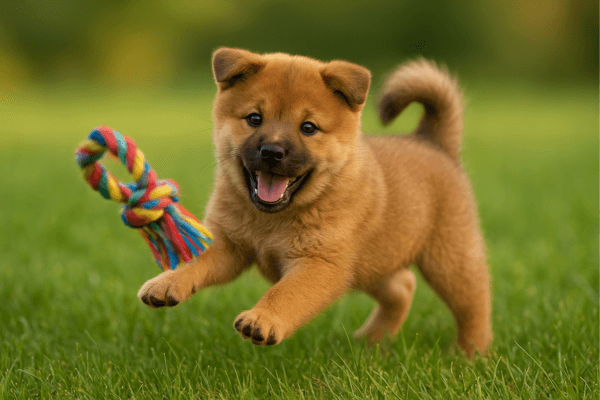
Both parent breeds are natural guardians, and your mix will almost certainly inherit this trait. What that means in practice: your dog will be devoted to your household but skeptical of strangers. They’re not likely to welcome your delivery driver with tail wags. Early and extensive socialization is non-negotiable if you want a dog who can distinguish between actual threats and normal daily life.
In my opinion, this protective nature can be a wonderful quality when properly managed—you’ll have a dog who’s genuinely watchful and bonded. But it becomes a liability if you’re inconsistent with training or don’t expose them to varied situations as puppies.
Neither Akitas nor Chow Chows are eager-to-please Labs or Goldens. Your Akita Chow Mix will be intelligent but selective about when they choose to listen. They’ll learn commands quickly—they’re not stupid—but whether they actually obey in the moment depends on whether they see the point. This is why positive reinforcement works far better than force; you need to make cooperation worth their while.
What concerns me is when people mistake this independence for stupidity or defiance that needs to be “dominated” out of them. That approach backfires spectacularly with guardian breeds and damages the trust you need to build. If you’re looking for a dog who lives to make you happy, consider a different breed entirely.
With their own family, these dogs are typically calm, loyal, and surprisingly gentle—once they’re properly trained and socialized. They can be excellent with older children who understand how to respect a dog’s space. However, I wouldn’t recommend this mix for families with young kids under 8-10 years old. The combination of size, strength, and lower tolerance for chaos and unpredictable movements makes them better suited to quieter households.
Other pets are hit or miss. Many Akita Chow Mixes do fine with animals they’re raised with, but introducing new pets later can be challenging. Their prey drive varies, but it’s often present enough that small animals like cats or rabbits may never be completely safe.
Here’s where people get surprised: despite their guardian background, these aren’t couch potatoes. Your Akita Chow Mix needs 60-90 minutes of daily exercise, split across walks, play sessions, and mental work. They’re not marathon runners, but they need consistent physical outlets to stay balanced.
What I find more important than pure exercise is mental stimulation. These are thinking dogs who get bored and destructive without proper engagement. Nosework is ideal for this mix—teaching them to use their natural scenting abilities gives them a job that taps into instinct. Hide-and-seek games with treats, puzzle feeders, and scent discrimination exercises can tire out their brain in ways a simple walk never will.
Long leash walks where they can investigate scents at their own pace are far more enriching than forced heel-work around the block. Remember, these breeds were developed to think independently while working, so giving them opportunities to problem-solve keeps them mentally healthy.
Socialization should begin the moment you bring your puppy home—ideally between 8-16 weeks. Expose them to different people, sounds, surfaces, and controlled dog interactions. The goal isn’t to make them love everyone, but to build confidence and teach them that new things aren’t threats.
Basic obedience is essential, but forget traditional “alpha” methods. These dogs respond to clear leadership that’s based on trust and consistency, not force. What works: short, positive training sessions with high-value rewards, clear boundaries that don’t change, and patience when they test limits (which they will).
Leash reactivity is common with this mix, especially toward other dogs. They’re not necessarily aggressive, but they can be selective and territorial, which looks intimidating to others. Loose-leash walking and counterconditioning work are your friends here.
Resource guarding can emerge, particularly around food or favorite spaces. Address this early with professional guidance if needed—don’t just “alpha roll” your way through it. Many experienced owners find that teaching “trade” games and respecting the dog’s space prevents most issues before they start.
With both parent breeds prone to similar issues, your Akita Chow Mix faces an increased risk for several conditions. The most common concerns include:
Life expectancy typically ranges from 9-12 years, which is reasonable for a large breed. Regular vet checkups, maintaining a healthy weight, and joint supplements can help maximize quality years. Budget for potential health costs—these aren’t cheap dogs to maintain medically.
If you’re getting a puppy, insist on health clearances for both parents: OFA or PennHIP scores for hips and elbows, eye exams (CERF), and thyroid testing. A responsible breeder won’t hesitate to provide documentation.
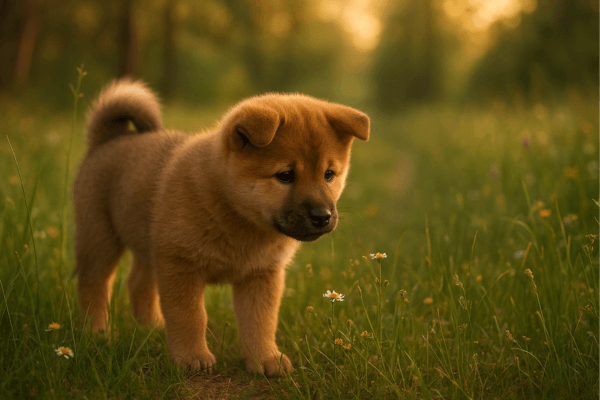
Let’s be honest: you’ll be finding fur in places you didn’t know existed. The double coat sheds year-round and “blows” completely twice a year during seasonal changes. During those periods, you’re looking at daily brushing with an undercoat rake or slicker brush to manage the fallout.
Regular grooming includes:
Some owners opt for professional grooming every few months, particularly during peak shedding. That’ll run you $60-100 per session depending on your location. Personally, I prefer handling it myself—it’s a good bonding activity and lets you check for skin issues, lumps, or parasites regularly.
This mix is not apartment-friendly, despite what some sources claim. They need space—not just physically, but psychologically. A house with a securely fenced yard is essential. These dogs can be territorial and may patrol their property, which is fine, but they need clear boundaries.
Fence height matters: a motivated Akita Chow Mix can clear 5 feet, so 6-foot fencing is recommended. Also ensure there are no escape routes—these dogs are clever problem-solvers when they want to be. Chain-link works, but solid fencing often helps reduce fence-line reactivity toward passersby.
Climate-wise, they handle cold beautifully thanks to that insulating coat, but heat is challenging. Summer months require careful management: early morning or evening exercise, plenty of shade and water, and watching for signs of overheating. Never push hard exercise in temperatures above 75-80°F.
This isn’t a common designer mix, which actually works in your favor—fewer puppy mills producing them. You’ll mainly find them through accidental breedings or specialized breeders working with guardian breeds.
If buying from a breeder, expect to pay $600-1,500 depending on location and lineage. That might sound like a lot, but responsible breeding with health testing isn’t cheap. Red flags include breeders who won’t show you the parents, have multiple litters available simultaneously, or can’t provide health clearances.
Honestly, I’d encourage checking breed-specific rescues first. Akita rescues and Chow Chow rescues occasionally have mixes available for $200-400 adoption fees. You’re giving a dog a second chance and often getting an adult whose temperament is already established—no guessing about how that puppy will turn out.
Regional availability varies, but Western states tend to have more Akitas, while Chows are distributed more evenly. If you’re willing to travel or arrange transport, your options expand considerably.
Owning an Akita Chow Mix isn’t budget-friendly. Here’s what you’re realistically looking at annually:
Total first-year costs easily reach $2,500-4,000 when you include initial supplies, spay/neuter, and training. Subsequent years average $1,500-2,500 if health remains good. Pet insurance might be worth considering given the breed predispositions—expect $40-80 monthly for decent coverage.
The ideal owner for an Akita Chow Mix is someone who:
Who should absolutely skip this mix: first-time dog owners, families with toddlers, anyone wanting a dog-park regular or therapy dog prospect, apartment dwellers, and people who travel frequently. These dogs don’t adapt well to inconsistent routines or being shuffled between caregivers.
If you’re drawn to the loyal, dignified nature of guardian breeds and you’re prepared for the work involved, this mix can be deeply rewarding. But if you’re hoping for a more easygoing companion, take a serious look at something like an Akita Pitbull Mix or even consider purebred options with more predictable temperaments.
If the Akita Chow Mix appeals to you but you’re uncertain, here are some alternatives that share certain traits but might fit your situation better:
Each of these brings guardian instincts without quite the same intensity or complexity you get when combining two notoriously independent breeds.


