


Field researcher, animal behavior specialist, and Dog lover
Puppies from America’s most trusted breeder network.

Let me be straight with you – the Akita Poodle Mix is one of the most unusual designer crosses you’ll come across. While I’ve spent years studying canine behavior and working with various breeds, this particular combination is rare enough that solid information is hard to find. What I can tell you is that mixing the independent, protective nature of an Akita with the intelligent, eager-to-please temperament of a Poodle creates something unpredictable. This isn’t your typical doodle mix, and that’s exactly what makes it both fascinating and challenging.
The Akita brings a powerful presence to any mix. Originally bred in Japan for hunting large game and guarding, these dogs are fiercely loyal but notoriously independent. They bond intensely with their family but can be reserved or even aloof with strangers. What concerns me most about the Akita genetics is their natural wariness – they’re not the type to welcome everyone with a wagging tail.
Health-wise, Akitas are prone to hip and elbow dysplasie, progressive retinal atrophy (PRA), autoimmune diseases, and hypothyroidism. They typically weigh between 70-130 pounds and stand 24-28 inches tall. Their lifespan runs about 10-13 years. These dogs need space, firm boundaries, and an owner who understands dominant breeds.
Poodles bring something completely different to the table. Whether you’re dealing with Standard, Miniature, or Toy Poodle genetics, you’re getting a highly intelligent, trainable dog that actually wants to work with you. Poodles excel at obedience, they’re naturally social, and they’ve got that famous low-shedding coat everyone talks about.
Standard Poodles (the most likely parent in this mix) weigh 40-70 pounds and stand 15+ inches tall. They’re athletic, energetic, and frankly, much easier for most owners to handle than an Akita. Their main health concerns include hip dysplasia, PRA, epilepsy, and bloat. The Poodle genetics might temper some of the Akita’s intensity – but there’s no guarantee.
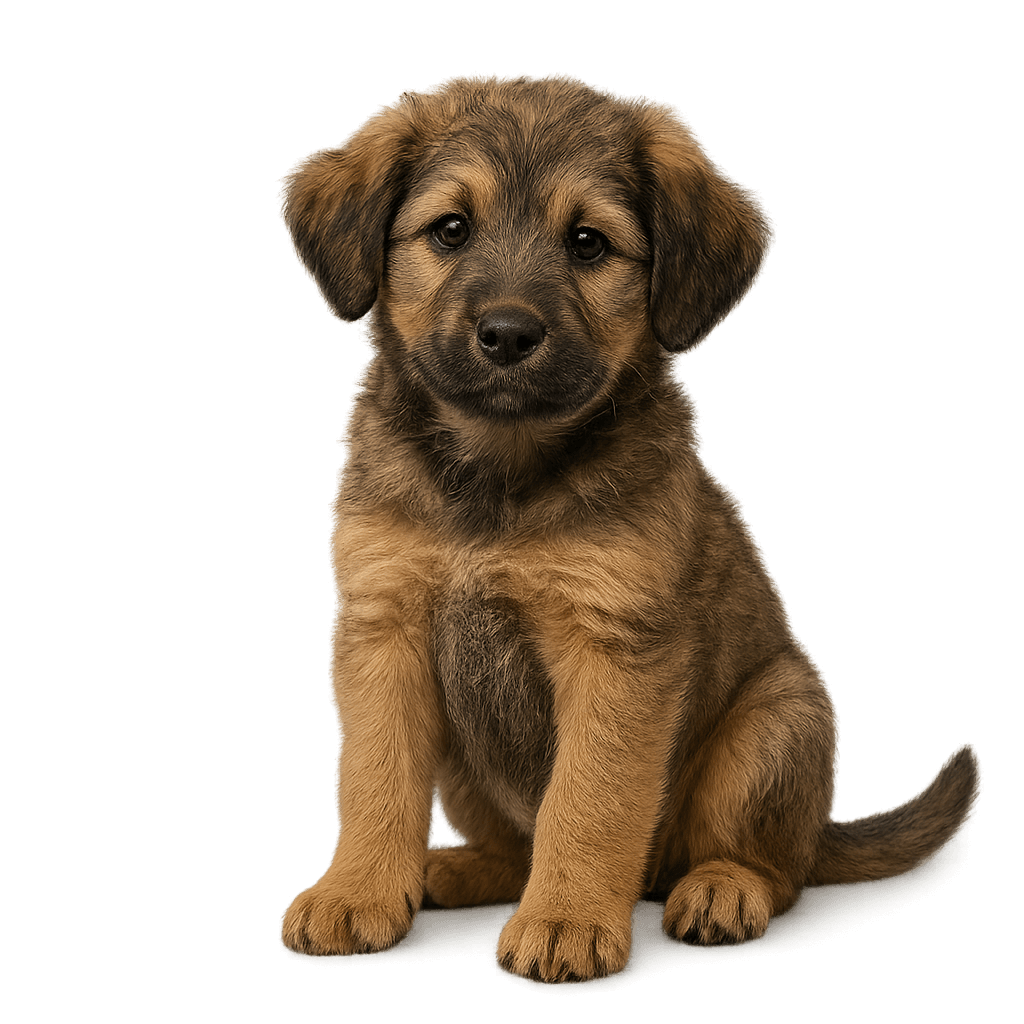
Predicting the exact look of an Akita Poodle Mix is like playing genetic roulette. You’re looking at a dog that could weigh anywhere from 45 to 100 pounds, depending on which Poodle size was used and which parent genes dominate. Most likely, you’ll end up with a large dog in the 60-80 pound range if a Standard Poodle was the parent.
The coat is where things get really interesting. You might get the Poodle’s curly, low-shedding coat, the Akita’s thick double coat, or something in between. What I find most common with unusual mixes like this is a wavy to loosely curled coat that sheds more than a purebred Poodle but less than a purebred Akita. Don’t count on this being a truly hypoallergenic dog.
Color variations can include black, white, brown, cream, brindle, or combinations. Some might inherit the Akita’s characteristic mask and bear-like head, others might look more refined like a Poodle. It’s genuinely a surprise package.
This is where my experience with working breeds kicks in – temperament matters more than looks, especially with a mix this complex. The Akita Poodle Mix will likely be intelligent and trainable (thank you, Poodle genes), but also potentially stubborn and independent (hello, Akita). You’re not getting a Golden Retriever here.
What concerns me is the protective instinct. Akitas are naturally guarding dogs, and while Poodle genetics might soften this, you could still end up with a dog that’s territorial and wary of strangers. Early socialization isn’t optional with this mix – it’s absolutely critical. Start from puppyhood and never stop exposing your dog to new people, places, and situations.
On the positive side, this mix should be deeply loyal to their family. They’ll likely be affectionate with “their people” and potentially good with older children who understand how to respect a dog’s space. With younger kids or other pets? That’s where I’d be more cautious, especially if the Akita temperament is strong.

Here’s where I get excited about this mix. Both parent breeds are highly intelligent, which means you’ve got serious brainpower to work with. The Poodle side makes them capable of learning complex tasks, while the Akita side gives them the focus and determination to stick with challenging work.
But intelligence cuts both ways. A bored Akita Poodle Mix will find their own entertainment, and you won’t like what they come up with. This is exactly the type of dog that would excel at nosework – using their natural scenting abilities to search for hidden objects. It’s mentally exhausting in the best way and taps into instincts both parent breeds possess.
Training challenges you’ll likely face include stubbornness and a tendency to question commands if they don’t see the point. You need to be consistent, firm but fair, and always positive. Harsh corrections with an Akita mix can backfire badly, creating fear or aggression. If you’re looking for a dog similar to this mix but potentially easier to handle, you might want to research the Akita Chow Mix, though that comes with its own set of challenges.
Key training priorities include:
Don’t let anyone tell you this is a couch potato mix. You’re looking at a dog that needs 60-90 minutes of solid exercise daily, minimum. Both Akitas and Poodles are working breeds, and that energy doesn’t just disappear when you cross them.
What I recommend is varying the activity. Long walks are great, but this dog also needs opportunities to run, swim (many Poodle mixes love water), play fetch, or engage in dog sports. Agility could be perfect for this mix if they inherit the Poodle’s athletic grace. Rally obedience is another excellent outlet that combines physical activity with mental challenge.
One practical consideration – a tired dog is easier to live with. If you’re coming home to destroyed furniture or constant barking, your first question should be: “Is this dog getting enough physical and mental exercise?” The answer is usually no. A properly exercised Akita Poodle Mix should be calm and content indoors.
Grooming requirements depend entirely on which coat type your dog inherits. If you get more Poodle coat, you’re looking at professional grooming every 6-8 weeks plus daily brushing to prevent matting. This isn’t a low-maintenance situation. The curly coat will continuously grow and needs regular trimming.
If the Akita double coat dominates, you’ll deal with heavy seasonal shedding (prepare for tumbleweeds of fur twice a year) but less need for professional grooming. Regular brushing becomes essential during these blow-out periods – I’m talking daily sessions with an undercoat rake.
Most likely, you’ll end up somewhere in between: a coat that needs brushing several times a week and occasional professional grooming to keep it manageable. Budget $60-100 per grooming session for a dog this size, or invest in quality grooming tools if you want to do it yourself.
Beyond the coat, you’ve got standard large-dog maintenance. Nail trimming every 3-4 weeks (crucial for joint health), ear cleaning weekly (especially important with any Poodle mix due to their floppy ears and hair in the ear canal), and dental care. Brush those teeth several times a week, or better yet, daily.
Poodles are prone to ear infections because hair grows in their ear canals, potentially blocking air flow. Check ears regularly for redness, odor, or excessive wax. Your Akita Poodle Mix might inherit this issue, so stay on top of it.
With any mixed breed, you’re potentially dealing with health issues from both parent breeds. What I find both promising and concerning about this mix is that you’ve got overlapping health concerns – both breeds are prone to hip dysplasia and PRA, which means the puppy’s risk doesn’t decrease through mixing.
Health issues to watch for include:
Lifespan for this mix should be around 10-13 years with proper care. The Poodle genetics might add a year or two compared to purebred Akitas. Regular veterinary care is non-negotiable – budget for annual checkups, vaccines, parasite prevention, and the inevitable emergency that always seems to happen at the worst time.
Before bringing home an Akita Poodle Mix puppy, insist on seeing health clearances for both parents. Hip and elbow scores, eye certifications, and thyroid testing should be standard. If a breeder can’t or won’t provide these, walk away. The money you save upfront will get spent tenfold on veterinary bills later.
A dog this size needs high-quality large-breed dog food formulated to support joint health and sustained energy. You’re looking at 3-4 cups per day for an adult, split into two meals to reduce bloat risk. Never free-feed a large, deep-chested dog – scheduled meals are safer.
What I recommend is a food with glucosamine and chondroitin for joint support, particularly important given the hip dysplasia risk from both parent breeds. Look for a protein source as the first ingredient, moderate fat content (around 12-16% for adults), and minimal fillers.
Monthly food costs will run $60-100 depending on the quality you choose and your dog’s size. Both Akitas and Poodles can have sensitive stomachs, so you might need to experiment to find what works best. Introduce any new food gradually over 7-10 days to avoid digestive upset.
Watch the weight carefully. Poodles can be prone to weight gain if overfed, and excess weight on those joints will accelerate arthritis development. You should be able to feel your dog’s ribs without pressing hard, but not see them prominently.

Let’s be realistic – this is not an apartment dog. An Akita Poodle Mix needs space to move and a securely fenced yard. The Akita side brings a strong prey drive and potential dog aggression, so your fencing needs to be solid and at least 6 feet tall. These are athletic dogs that can jump if motivated.
Inside the home, they’ll be moderately active. Once properly exercised, they should settle well, but they’re not content being crated for 8-10 hours daily while you work. If you work long hours, you’ll need a dog walker or daycare arrangement. A bored, isolated Akita Poodle Mix will develop behavioral problems guaranteed.
Climate considerations matter too. The Akita double coat means they handle cold beautifully but can struggle in extreme heat. If you live somewhere hot, exercise during cooler morning and evening hours, and ensure they have air conditioning access. If your dog inherits more Poodle coat, temperature tolerance will be more moderate in both directions.
Is this a good family dog? The honest answer is: it depends on your family. For a household with older children who understand dog behavior and an active lifestyle, this could work well. The loyalty and intelligence of both parent breeds can make for a devoted companion.
For families with toddlers or young children? I have reservations. The Akita’s low tolerance for rough handling combined with the sheer size of this mix creates risk. Even a friendly, well-meaning dog this large can accidentally knock over a small child. Add in the Akita’s tendency to resource guard and lower tolerance for chaos, and you’ve got a situation that requires constant supervision.
With other pets, proceed with caution. Akitas have significant prey drive and can be dog-aggressive, particularly with same-sex dogs. While Poodle genetics might temper this, I wouldn’t count on it. If you have cats, small dogs, or other pets, extensive early socialization and careful management will be necessary. Some Akita Poodle Mixes do fine with other animals – but some absolutely don’t.
Here’s where things get challenging. This is an extremely rare mix, and finding a responsible breeder will take serious effort. Most reputable breeders specializing in either Akitas or Poodles won’t create this cross because the temperament combination is unpredictable and challenging for most owners.
What you’re more likely to find are backyard breeders or accidental litters. This raises red flags for me. Without health testing on the parents, without careful temperament evaluation, you’re taking a huge gamble. A poorly bred Akita Poodle Mix could end up with the worst traits of both breeds – stubbornness, aggression, health problems, and anxiety.
If you’re set on this mix, your best bet might be rescue organizations that specialize in Akitas, Poodles, or large breed mixes. The adoption fee typically runs $150-400, far less than the $800-2000 you might pay a breeder. Plus, with an adult rescue, you’ll have a much better idea of the actual temperament and needs.
Check breed-specific rescues for both Akitas and Poodles – they sometimes take in mixes. Ask to spend significant time with any dog before committing, and be completely honest about your experience level and living situation.
Beyond the purchase or adoption fee, budget for $1,500-3,000 annually for routine care. This breaks down roughly as:
That doesn’t include emergency veterinary care, which you should absolutely budget for. An emergency fund of $2,000-3,000 specifically for your dog isn’t paranoid – it’s practical. A single emergency surgery can easily cost $3,000-5,000.
Pet insurance might be worth considering for this mix, given the potential health issues from both parent breeds. Premiums for a large dog typically run $40-80 monthly, depending on coverage level and deductibles.
The ideal owner for an Akita Poodle Mix is someone with significant large-breed experience, particularly with independent or protective breeds. If you’ve successfully raised and trained German Shepherds, Rottweilers, Akitas, or similar breeds, you might have the skills needed.
You need to be active – genuinely active, not just “I’ll walk the dog around the block” active. You should enjoy spending time training and working with your dog. You need space, time, and honestly, patience. This isn’t a dog that will be easy just because you want it to be.
What makes someone wrong for this mix? First-time dog owners, absolutely. People living in apartments or without yard space. Families with very young children. Anyone wanting a social, everyone’s-best-friend type of dog. People who work long hours and can’t provide adequate exercise and mental stimulation. If you want a low-maintenance companion, get a different breed entirely.
If you’re drawn to the intelligence and low-shedding coat of a Poodle mix but concerned about the Akita’s intensity, consider a Standard Poodle itself. They’re brilliant dogs, athletic, trainable, and genuinely easier to live with for most families.
If you love the loyalty and presence of the Akita but want something slightly more manageable, look into a Siberian Husky or Alaskan Malamute. Still challenging, but generally more social and less prone to aggression issues.
Other Poodle mixes worth researching include the Goldendoodle (Golden Retriever x Poodle), Bernedoodle (Bernese Mountain Dog x Poodle), or Sheepadoodle (Old English Sheepdog x Poodle). All tend to have more predictable, family-friendly temperaments than an Akita Poodle Mix.


