


Field researcher, animal behavior specialist, and Dog lover
Puppies from America’s most trusted breeder network.

If you’re reading this because you’ve heard of a King Shepherd Akita mix, I’ll be straight with you: this is one of the rarest and most challenging designer crosses you’ll encounter. Unlike the more common Labrador or Golden Retriever mixes, pairing a King Shepherd—a large, protective, working-bred dog—with an Akita creates something extraordinary, demanding, and not for the faint of heart. You’re looking at a guardian powerhouse with deep-rooted territorial instincts, high intelligence, and serious training needs. This isn’t a dog for apartment living or first-time owners. In my opinion, if you’re even considering this mix, you’d better have experience with large, dominant breeds and plenty of space to offer. Let’s dig into what this cross really means for you and your lifestyle.
The King Shepherd itself is already a relatively new breed—developed in the 1990s as a larger, healthier alternative to the German Shepherd. When you mix that with an Akita, you’re combining two breeds that were both bred to protect and work independently. The King Shepherd brings herding instinct, trainability, and devotion, while the Akita contributes ancient Japanese guardian genetics, loyalty to the point of obsession, and a naturally aloof temperament toward strangers.
What strikes me most about this combination is the intensity. Both parent breeds are known for forming incredibly strong bonds with their families while being naturally wary—or downright suspicious—of outsiders. You’ll get a dog that’s protective by nature, with a strong territorial drive and the size to back it up. Expect a dog that weighs anywhere from 80 to 140 pounds and stands 25 to 29 inches at the shoulder. That’s a lot of dog, and a lot of responsibility.
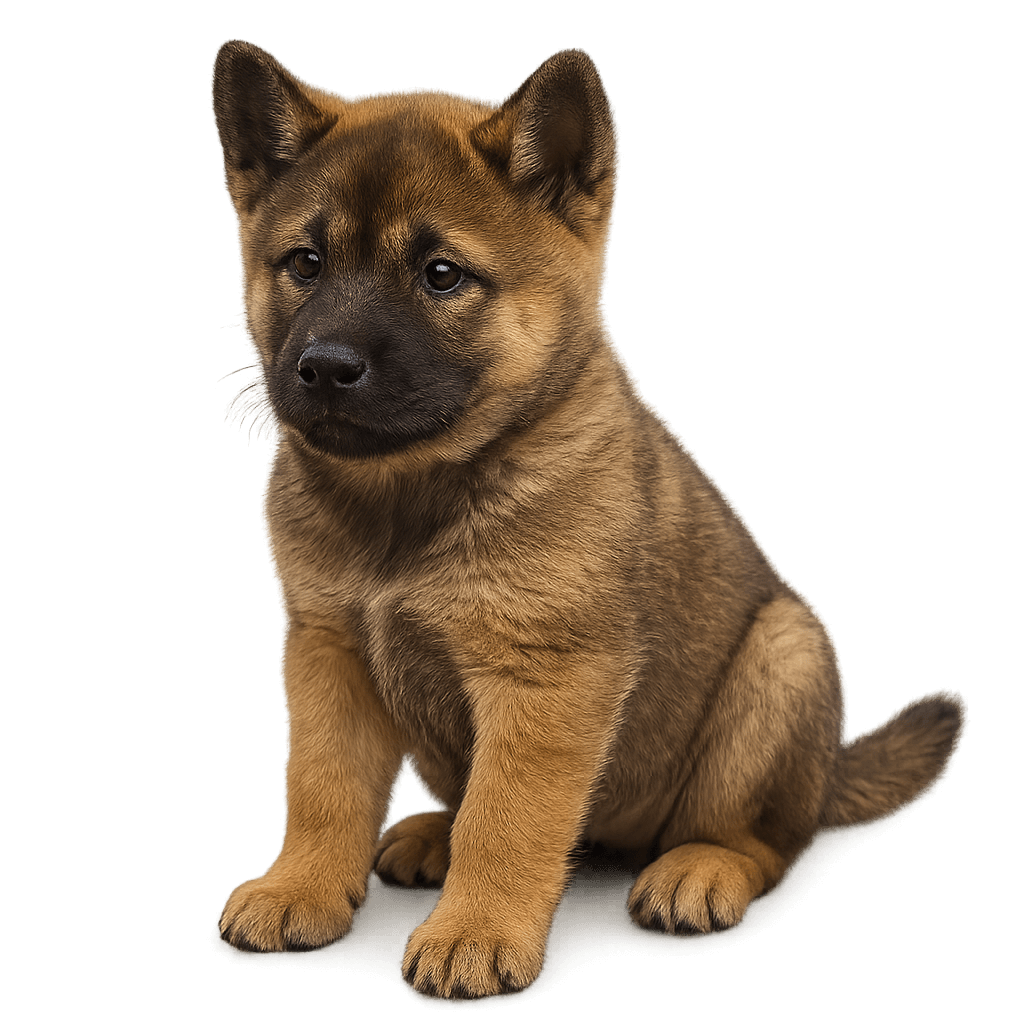
The King Shepherd Akita mix will likely have a thick double coat, a powerful build, and an imposing presence. In terms of appearance, you might see the broader head and curled tail of the Akita, or the longer muzzle and alert expression of the King Shepherd. Either way, this dog will turn heads and command respect wherever you go.
Let’s talk honestly about what living with this mix is like. Both the King Shepherd and Akita are naturally protective, and when you combine those instincts, you get a dog that will likely see your home—and you—as something to guard fiercely. That sounds appealing until you realize it means this dog may not welcome strangers warmly, may bark or act aloof when guests arrive, and could become territorial if not properly socialized from puppyhood.
In my experience with guardian breeds, socialization isn’t optional—it’s absolutely critical. If you skip this step or underestimate it, you could end up with a dog that’s reactive, anxious, or even aggressive in new situations. That’s not a reflection of the dog’s character; it’s a failure in management and training. You’ll need to expose your King Shepherd Akita mix to different people, places, sounds, and situations starting as early as possible, and you’ll need to keep that up throughout their life.
Both parent breeds are smart—really smart. But intelligence in a dog isn’t always convenient. The King Shepherd was bred to think on its feet while herding and protecting livestock, and the Akita was bred to hunt large game independently in the mountains of Japan. What that means for you is a dog that won’t blindly follow commands without understanding the “why” behind them.
You’ll need to earn this dog’s respect through consistent, fair, and firm leadership. Positive reinforcement works well, but don’t expect the eager-to-please attitude of a Labrador. This mix will test boundaries, especially during adolescence. If you’re the type of owner who wants a dog that hangs on your every word, this probably isn’t your match. But if you appreciate a dog with a mind of its own—one that’s loyal and capable, not just obedient—you’ll find this mix deeply rewarding.

Here’s where a lot of people underestimate what they’re signing up for. The King Shepherd Akita mix isn’t a couch potato. You’re looking at a dog that needs at least 90 minutes of exercise daily, but honestly, two hours is better. And I’m not talking about a slow stroll around the block—I mean real movement: hiking, running, playing fetch in a securely fenced area, or engaging in structured activities like nosework or obedience training.
What I find impressive about this cross is its stamina and drive. These dogs were built to work, and if you don’t give them a job, they’ll create one for themselves—usually something you won’t appreciate, like rearranging your backyard or “guarding” the mailman a bit too enthusiastically. Mental stimulation is just as important as physical exercise. Puzzle toys, scent games, and regular training sessions will keep that sharp mind occupied and out of trouble.
If you’re an active person who loves spending time outdoors, this dog will be your shadow and your adventure buddy. If you’re more of a Netflix-and-chill type, I’d strongly recommend looking at a different breed or mix. A bored King Shepherd Akita mix is a destructive and unhappy dog, and that’s not fair to either of you.
Training a King Shepherd Akita mix requires patience, consistency, and a healthy dose of humility. This isn’t a dog you can train once and forget about. You’ll need to establish yourself as a calm, confident leader from day one, and you’ll need to maintain that role throughout the dog’s life. Both parent breeds can be stubborn, and the Akita in particular is known for being independent and sometimes aloof even with their own family.
What concerns me about inexperienced owners taking on this mix is the potential for things to go sideways fast. Without proper training and socialization, you could end up with a large, powerful dog that’s reactive, difficult to control, and potentially dangerous. That’s not the dog’s fault—it’s a training failure. If you’re serious about this mix, I’d recommend working with a professional trainer who has experience with guardian breeds and understands the nuances of dominant, intelligent dogs.
Forget about harsh corrections or dominance-based training methods. They don’t work with intelligent, sensitive dogs, and they’ll likely backfire with this mix. Instead, focus on positive reinforcement with clear boundaries. Reward what you want to see more of, ignore or redirect what you don’t, and be consistent in your expectations.
Nosework and scent games are particularly effective with this mix because they tap into natural instincts and provide mental exhaustion in a productive way. Teaching your dog to use their nose—whether it’s finding hidden treats, tracking scents, or even formal detection work—gives them a job that feels meaningful and tiring in all the right ways. A tired mind really is a happy dog, and with this mix, mental fatigue is just as important as physical tiredness.
Like any large breed, the King Shepherd Akita mix is prone to certain genetic health issues you need to be aware of. Both parent breeds can suffer from hip and elbow dysplasia, so responsible breeders should be screening for these conditions and providing certification. You’ll also want to watch for thyroid problems (common in Akitas), bloat or gastric torsion (a risk in deep-chested large dogs), and potential eye issues like progressive retinal atrophy.
In terms of lifespan, you’re looking at roughly 10 to 13 years, which is fairly typical for dogs of this size. Regular vet checkups, a high-quality diet, appropriate exercise, and maintaining a healthy weight will all contribute to a longer, healthier life. Because of the size and potential joint issues, I’d recommend avoiding excessive jumping or stair climbing, especially during the puppy and adolescent stages when bones and joints are still developing.
Vet costs can add up with a dog this size. You’re looking at annual expenses of $1,500 to $3,000 or more when you factor in routine care, preventatives, food, and the occasional emergency. If you’re not prepared for that financial commitment, this isn’t the right dog for you.
Let me be blunt: this mix will shed. A lot. Both the King Shepherd and Akita have thick double coats designed to protect them in harsh climates, and when you combine those genetics, you get a dog that will blow its coat at least twice a year and shed moderately year-round. If you’re someone who can’t handle dog hair on your clothes, furniture, and floors, this mix will drive you up the wall.
You’ll need to brush your dog several times a week—daily during shedding season—to keep the coat healthy and reduce the amount of fur tumbleweeding around your house. I recommend a good undercoat rake and a slicker brush. Bathing should be done sparingly, maybe every few months or as needed, since over-bathing can strip the natural oils that keep the coat weather-resistant.
Regular grooming also gives you a chance to check for skin issues, ticks, or other problems. And honestly, it’s a good bonding activity. Most dogs, once they get used to it, find brushing relaxing—and it’s a lot easier to manage a calm, well-groomed dog than a matted, uncomfortable one.
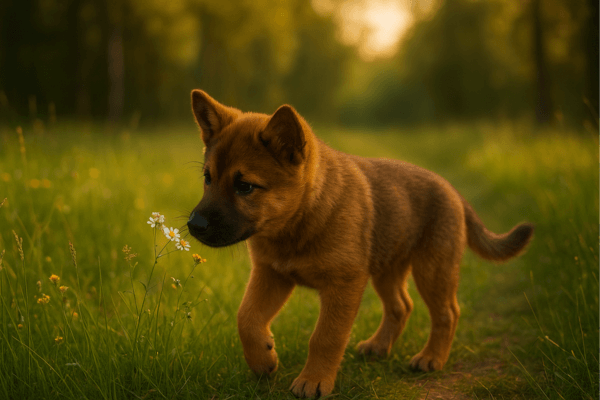
This is one of those questions where the answer is “it depends.” The King Shepherd Akita mix can be good with children, especially if raised with them from puppyhood and properly socialized. However, due to their size and protective nature, I wouldn’t recommend this mix for families with very young children. A dog this large can accidentally knock over a toddler, and the strong guarding instincts might lead to unwanted protectiveness if kids are roughhousing with friends.
With other pets, it’s even trickier. Akitas in particular have a high prey drive and can be intolerant of other dogs, especially same-sex dogs. The King Shepherd side might temper that somewhat, but you should never assume this mix will automatically get along with cats, small dogs, or other household pets. Early socialization and careful supervision are essential. If you already have other animals, introducing a King Shepherd Akita mix puppy is possible, but it requires management and realistic expectations.
If you’re looking for a dog that will easily integrate into a multi-pet household or be a carefree companion for young kids, there are better options. But if you have older, respectful children and are prepared to manage interactions carefully, this mix can be a devoted family guardian. For more information on similar mixes with strong guarding instincts, you might also want to read about the Akita Catahoula Mix, which shares some of these protective traits.
Let’s be clear: this is not an apartment dog. The King Shepherd Akita mix needs space—both indoors and out. Ideally, you’d have a house with a large, securely fenced yard where the dog can move freely and patrol its territory. That fencing needs to be solid and at least six feet tall, because both parent breeds are athletic and capable of jumping or climbing if motivated.
Inside, this dog will want to be near you. Despite their independent streak, both King Shepherds and Akitas are devoted to their families and don’t do well being isolated for long periods. If you work long hours away from home and can’t bring your dog along or arrange for midday exercise and interaction, this mix will struggle. Separation anxiety, destructive behavior, and excessive barking can all result from boredom and loneliness.
Climate-wise, the thick double coat means this dog can handle cold weather beautifully but may struggle in extreme heat. If you live in a hot climate, you’ll need to provide plenty of shade, fresh water, and limit exercise to cooler parts of the day. Heatstroke is a real risk for large, heavily coated dogs.
Here’s the reality: this is an extremely rare mix. You’re unlikely to find breeders specifically producing King Shepherd Akita crosses, and honestly, that’s probably a good thing. Responsible breeders focus on improving and preserving established breeds, not creating random designer crosses without purpose or health testing. If you do find someone advertising this mix, you’ll need to do serious due diligence to ensure they’re not a backyard breeder or puppy mill.
Your best bet is likely going to be adoption through a rescue or shelter. Large, powerful mixes like this often end up in rescue because well-meaning owners underestimated what they were taking on. Check breed-specific rescues for King Shepherds, German Shepherds, and Akitas—they sometimes take in mixes as well. Adoption fees typically range from $100 to $400, and you’ll often get a dog that’s already spayed or neutered, vaccinated, and sometimes even started on basic training.
If you do go the breeder route, expect to pay anywhere from $800 to $2,000 or more, depending on the breeder’s reputation and health testing. Never buy a puppy without meeting at least one parent, seeing health clearances, and visiting the breeding facility. If something feels off, walk away.
Let me be direct about who this dog is for. The King Shepherd Akita mix is best suited for experienced dog owners who have successfully raised and trained large, dominant breeds before. You need to be confident, patient, and committed to ongoing training and socialization. You also need an active lifestyle, plenty of space, and the financial resources to care for a large dog properly.
This mix is not for first-time dog owners, people who live in apartments or small homes, families with very young children, or anyone who can’t commit to extensive exercise and mental stimulation. It’s also not a good fit if you want a social, easygoing dog that loves everyone. This is a guardian breed mix through and through, and that comes with responsibilities and limitations.
If you love the challenge of working with intelligent, independent dogs, if you appreciate loyalty and protectiveness, and if you have the lifestyle and experience to match, this mix can be incredibly rewarding. But if you’re unsure, there’s no shame in choosing a different breed or mix that better fits your situation. The worst thing you can do is take on a dog you’re not prepared for—it’s not fair to you or the dog.


