


Field researcher, animal behavior specialist, and Dog lover
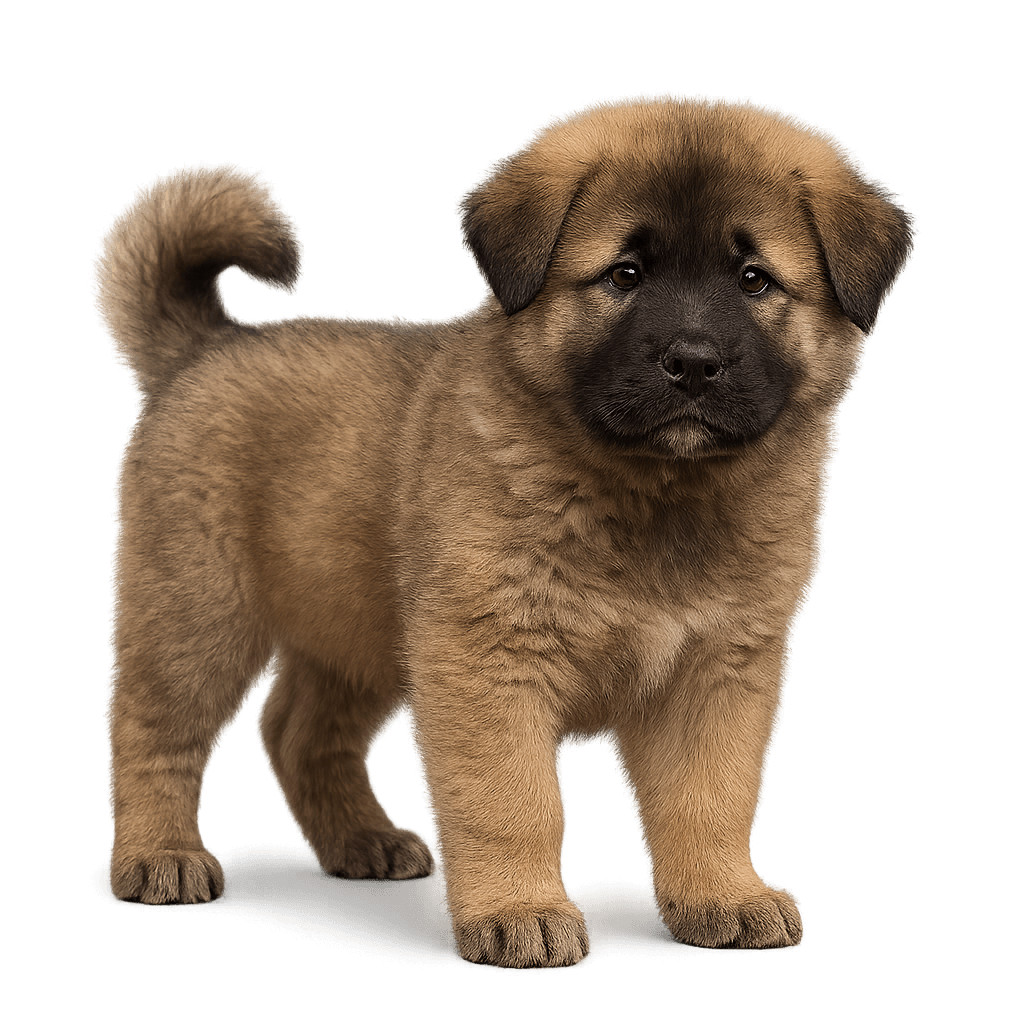
Puppies from America’s most trusted breeder network.
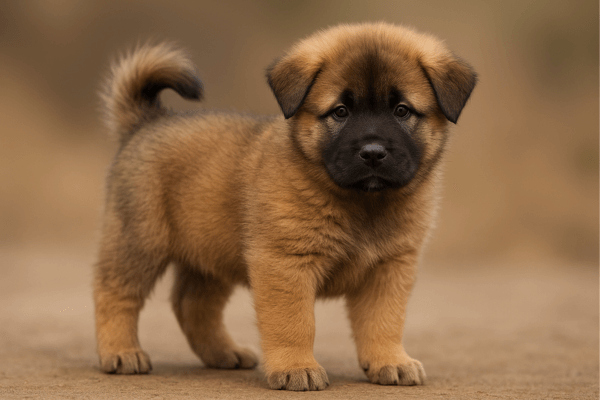
If you’re eyeing a Caucasian Shepherd Akita mix, let me be straight with you—this isn’t a beginner’s dog. I’ve spent years observing canine behavior in the wild and in homes, and this particular combination brings together two of the most independent and powerful guardian breeds on the planet. The Caucasian Shepherd was bred to protect livestock from wolves and bears in the Caucasus Mountains, while the Akita has a history as a fearless hunting and guard dog in Japan. Mix those genetics together, and you’ve got a dog that’s intensely loyal, naturally suspicious of strangers, and requires an owner who understands dominant, working-breed temperament. This isn’t a dog for apartment living or first-time owners hoping for an easy companion. But if you have the experience, space, and commitment, this mix can be an extraordinary protector and devoted family member.
The Caucasian Shepherd Dog (also called Caucasian Ovcharka) is a massive livestock guardian that was bred to work independently in harsh mountain conditions. These dogs typically weigh between 100-220 pounds and stand 24-30 inches at the shoulder. They’re naturally territorial and protective, with a strong instinct to assess threats and act without waiting for commands. That independent streak made them excellent at their original job—keeping predators away from flocks—but it also means they’re not the type to eagerly follow every command like a Labrador would.
In my opinion, what makes the Caucasian Shepherd particularly challenging is their slow maturation and strong-willed nature. They can take 2-3 years to fully mature mentally, and during that time, consistent boundaries are absolutely critical. They’re not aggressive by default, but they’re naturally suspicious of strangers and will protect their territory. Without proper socialization from puppyhood, that wariness can turn into problematic behavior.
The Akita brings a different but equally intense personality to this mix. Originally bred in Japan for hunting large game like boar and bear, Akitas are dignified, courageous, and famously loyal. They typically weigh 70-130 pounds and stand 24-28 inches tall. What I find particularly notable about Akitas is their tendency to be “one-person dogs”—they bond intensely with their family but are often aloof or even unfriendly toward strangers and other dogs.
Akitas are also known for their high prey drive and same-sex aggression, particularly among males. They’re smart but can be stubborn during training, preferring to think things through rather than blindly obey. This isn’t a breed that performs tricks for treats—they need purpose and respect in their training approach.
A Caucasian Shepherd Akita mix is going to be a large to giant-sized dog, typically ranging from 80-150 pounds depending on which parent they favor. Height usually falls between 24-30 inches at the shoulder. You’re looking at a powerful, muscular build with a thick double coat that can range from medium to long length. Common coat colors include fawn, brindle, gray, black, or combinations with white markings.
The coat will be dense and weather-resistant, designed for harsh climates. Expect heavy shedding year-round, with intense “blowout” periods twice a year where they shed their undercoat. If you’re hoping for a low-maintenance dog or you’re bothered by hair on everything you own, this mix will test your patience. Weekly brushing is the bare minimum, and during shedding season you’ll need to brush daily to keep the loose fur under control.
This is where things get serious. Both parent breeds are natural guardians with strong protective instincts, and that’s going to come through in the mix. You can expect a dog that’s deeply loyal to their family, often bonding most strongly with one or two people. They’ll be naturally suspicious of strangers, and without proper socialization, that suspicion can manifest as aggression or excessive territorial behavior.
What concerns me most about this mix is the potential for handler sensitivity combined with physical power. These dogs read their owners constantly—if you’re anxious or uncertain, they may feel they need to step up and “protect” you, which can lead to reactivity. They need an owner who’s calm, confident, and consistent. This isn’t a dog that responds well to harsh corrections or inconsistent rules; they need clear boundaries delivered with quiet authority.
In the right home, though, this mix can be remarkably gentle with family members, including children they’ve grown up with. They’re often calm indoors and can be surprisingly patient. But that calmness shouldn’t be mistaken for laziness—they’re always aware, always assessing, always ready to act if they perceive a threat.
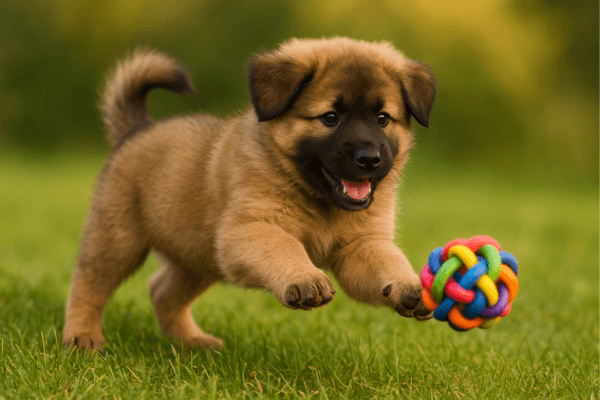
Let me be blunt: if you’re not willing to invest extensive time in early socialization and ongoing training, do not get this mix. Start socializing from 8 weeks old—expose your puppy to different people, places, sounds, and controlled dog interactions. The window for optimal socialization closes around 16 weeks, and what you do during that period will dramatically impact your dog’s adult temperament.
Training needs to be based on positive reinforcement and relationship-building, not dominance or force. These dogs are too smart and too strong-willed for heavy-handed methods to work long-term. They need to understand why they should listen to you, not just fear the consequences of disobedience. I’d recommend working with a professional trainer who has experience with guardian breeds—this isn’t a situation where YouTube videos are going to cut it.
Both parent breeds can show dog aggression, particularly toward same-sex dogs, so careful introductions and management around other animals is essential. Many owners of this mix find their dog does best as an only pet or with one opposite-sex dog they’ve grown up with. The high prey drive from both sides means small animals—cats, rabbits, chickens—are often not compatible housemates unless introduced extremely carefully from puppyhood.
Despite their size, these aren’t ultra-high-energy dogs like a Belgian Malinois or Border Collie. They need moderate daily exercise—typically 60-90 minutes spread across walks, play, and mental stimulation. What they really need is space to patrol and a job to do. A securely fenced yard is essentially mandatory; these are not apartment dogs.
What I find impressive about guardian breeds is how they combine physical activity with mental work. A long walk where your dog can sniff, observe their environment, and engage their natural detection abilities will tire them out more effectively than mindless laps around a dog park. In fact, I’d advise against dog parks entirely with this mix—the combination of their protective nature, potential dog aggression, and powerful build makes group play with unknown dogs a risk not worth taking.
Consider activities that tap into their natural instincts: nosework, tracking, or even carting can give them purpose. These dogs were bred to work independently and make decisions, so activities that engage their problem-solving abilities will satisfy them more than repetitive fetch games.
Both parent breeds carry some significant health concerns that can appear in the mix. Hip and elbow dysplasia are common in large and giant breeds, so reputable breeders should provide OFA or PennHIP evaluations on both parents. You’re looking at potential veterinary costs in the thousands if joint issues develop and require surgery.
Other health concerns include:
Expect a lifespan of 10-12 years, which is typical for giant breeds. Regular veterinary check-ups are essential—at minimum, annual exams with bloodwork to catch thyroid issues or other problems early. Joint supplements starting in young adulthood can help support long-term mobility, and maintaining a lean body weight is critical to reducing stress on those joints.
Feed measured meals rather than free-feeding, and avoid heavy exercise right after eating to reduce bloat risk. Some owners of deep-chested dogs opt for prophylactic gastropexy surgery during spay/neuter to prevent bloat, which is worth discussing with your vet.
That thick double coat I mentioned earlier? It requires consistent attention. Plan on brushing at least 2-3 times per week year-round, and daily during heavy shedding periods. You’ll need a good undercoat rake and slicker brush—regular brushes won’t cut through that dense fur. This isn’t optional maintenance; neglected coats mat, trap dirt and moisture against the skin, and can lead to hot spots and skin infections.
Bathing can be done every 6-8 weeks or as needed, but be prepared—drying a dog this size with this much coat is a project. Many owners invest in a high-velocity dryer designed for dogs. Regular nail trimming, ear cleaning, and dental care round out the grooming routine. If you’re not comfortable doing this yourself, professional grooming every 8-12 weeks will run you $80-150 depending on your location and the dog’s size.
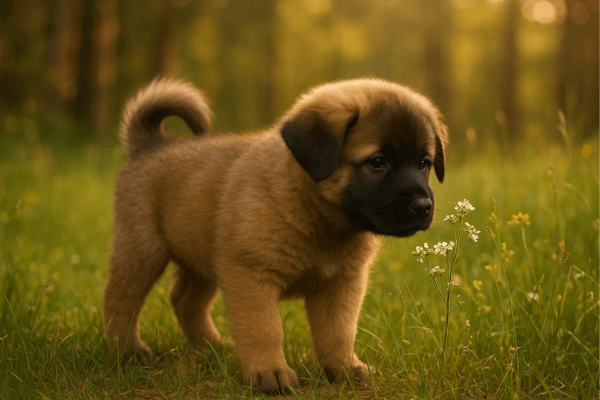
This mix needs space, secure fencing, and an experienced owner. Period. A house with a large, fenced yard in a rural or suburban setting is ideal. The fence needs to be at least 6 feet tall and checked regularly for any weakness—these dogs are powerful and can be escape artists if they decide something on the other side needs investigating.
They’re not suited for busy urban environments with constant foot traffic past your property. That level of stimulation can keep them in a constant state of alertness, which is stressful for the dog and can lead to excessive barking or fence aggression. They do best in quieter settings where they can establish their territory and aren’t constantly triggered by strangers passing by.
Climate-wise, that thick coat makes them well-suited for cold weather but less tolerant of heat. In warmer regions, you’ll need to provide shade, fresh water, and limit exercise during the hottest parts of the day. Some owners find their mix prefers to be outside during winter and more reluctant to exercise in summer heat.
Let me lay out who should and shouldn’t consider this mix. You’re a good candidate if you:
You should absolutely avoid this mix if you:
If you have other pets, particularly small animals or same-sex dogs, this mix becomes considerably more complicated. It’s not impossible, but it requires very careful management and realistic expectations. For comparison, something like a Jindo Akita Mix would present similar challenges with guardian instincts, though potentially in a slightly smaller package.
This is not a common designer mix, so you won’t find breeders advertising litters regularly. Most of these mixes happen accidentally or through individual breeders working with both breeds. Expect to pay $800-2,000 for a puppy from a breeder who health tests their breeding stock. Anything significantly cheaper should raise red flags about health testing and proper care.
When evaluating a breeder, insist on seeing:
Rescue is another option worth considering. Guardian breed rescues occasionally have mixes available, and you may find an adult dog whose temperament is already established, which removes some of the uncertainty. Adoption fees typically range from $200-500. Working with an adult dog also means you can better assess their socialization level and any behavioral issues before committing.
Beyond the purchase price, budget for significant ongoing expenses. Annual costs typically run $2,000-4,000 including:
That doesn’t include unexpected veterinary expenses, which with giant breeds can be substantial. A single bloat emergency surgery can run $3,000-7,000. Hip surgery for severe dysplasia can cost $5,000-8,000 per hip. This is where having either good pet insurance or a robust emergency fund becomes critical.
The Caucasian Shepherd Akita mix is a serious working dog in a companion dog’s world. Everything about them—their size, their protective instincts, their independence—requires an owner who understands what they’re taking on. I’ve watched too many powerful guardian breeds end up in rescues because well-meaning owners underestimated what living with these dogs actually entails.
If you have the experience, the right living situation, and the commitment to proper training and socialization, this mix can be an extraordinary companion and protector. They’re loyal to a fault, calm and dignified when properly raised, and naturally skilled at their guardian role. But if you’re looking for an easy-going family pet that’s friendly with everyone and adaptable to various situations, look elsewhere. This dog demands respect, experience, and a lifestyle that can accommodate their needs.
My honest recommendation? Unless you’ve successfully lived with and trained large guardian breeds before, start with something less intense. Build your experience with breeds that are more forgiving of handler mistakes. The Caucasian Shepherd Akita mix is not a dog you can learn on—they require competence from day one. But for the right owner in the right situation, they’re remarkable animals that embody everything powerful and noble about working dogs.


