


Field researcher, animal behavior specialist, and Dog lover

Puppies from America’s most trusted breeder network.

If you’re considering an Akita Bulldog Mix, you’re looking at a dog that doesn’t exist in any meaningful numbers—and honestly, that’s probably a good thing. This isn’t a recognized designer breed, and there’s virtually no documented breeding of Akitas with Bulldogs (English or American). What little information exists suggests this would be an incredibly challenging combination requiring serious dog experience. Before you fall in love with the idea, let’s talk about what this theoretical mix would actually mean for you and your household.
You won’t find Akita Bulldog Mix puppies advertised by reputable breeders, and there’s a reason for that. The temperamental incompatibility between these breeds makes intentional breeding ethically questionable. Akitas are independent, aloof guardians bred for hunting large game in Japan. Bulldogs—whether English or American—have completely different origins and drives. English Bulldogs were originally bred for bull-baiting but have been transformed into companion animals with significant health issues. American Bulldogs retained more working ability but come with their own strong-willed nature.
When you cross two breeds with such different purposes and physical structures, you’re rolling the genetic dice in ways that can produce unpredictable results. Most Akita Bulldog mixes you might encounter are accidental breedings, not carefully planned litters. That means minimal health testing, no consideration for temperament matching, and often puppies that end up in shelters when owners realize what they’ve taken on.
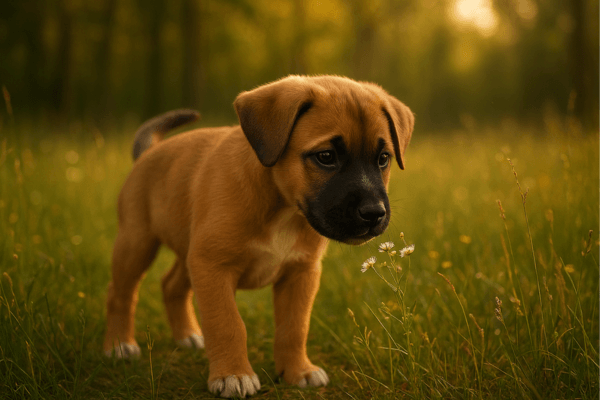
This mix would likely be a large, powerfully built dog weighing anywhere from 50 to 100 pounds, depending on which Bulldog type is involved and which parent’s genes dominate. English Bulldog genes might produce a shorter, stockier build with potential breathing issues. American Bulldog genetics would create a more athletic, taller dog. The Akita influence adds substantial bone structure and a broader head regardless of the Bulldog type involved.
What concerns me about this size range is the unpredictability. You might get a compact 55-pound dog or a massive 100-pound powerhouse, and you won’t know until they’re nearly full-grown. That makes planning for housing, vehicle transport, and even veterinary care complicated.
Expect a short to medium-length coat that sheds year-round. Akitas have a dense double coat that blows out seasonally, while Bulldogs have single coats. The mix usually results in moderate shedding with some seasonal increases. Coat colors could include:
The facial structure is where things get really unpredictable. You might see the flatter Bulldog muzzle combined with Akita features, which could create breathing difficulties. Or you might get a more moderate face that doesn’t have the extreme brachycephaly of English Bulldogs. This is a genuine health concern that I can’t stress enough—flat-faced dogs struggle with heat regulation, exercise, and even sleeping comfortably.

Akitas are naturally suspicious of strangers and protective of their families. This isn’t a Golden Retriever who greets everyone with tail wags. Bulldogs, particularly American Bulldogs, can also be protective and territorial. When you combine these traits, you get a dog that takes their guarding duties seriously—sometimes too seriously for the average household.
In my experience observing guardian breeds, these dogs need owners who understand the difference between appropriate alertness and problematic reactivity. An Akita Bulldog Mix raised without proper socialization could become overly suspicious or aggressive toward visitors, delivery people, or even neighbors walking past your property. This isn’t a dog that will tolerate casual interactions with strangers at the park.
Both parent breeds are known for being strong-willed. Akitas were bred to work independently while hunting bears and boar—they don’t naturally look to humans for constant direction. Bulldogs, especially American Bulldogs, are confident and can be downright obstinate. What this means for you is a dog that won’t automatically comply just because you asked nicely.
If you’re used to eager-to-please breeds like Labrador Retrievers or Golden Retrievers, this mix will frustrate you. Training requires consistency, patience, and a willingness to make every interaction worth the dog’s while. These aren’t dogs that work for praise alone—you’ll need high-value rewards and a relationship built on mutual respect rather than dominance.
Here’s where the Bulldog influence might actually temper the Akita’s energy. While Akitas need moderate daily exercise—maybe 60 minutes of walking and play—English Bulldogs have much lower exercise tolerance due to breathing restrictions. An Akita crossed with an English Bulldog might need only 30-45 minutes of activity, but be careful with heat and overexertion.
American Bulldog mixes would have higher energy demands, possibly matching the Akita’s needs. Either way, these aren’t marathon running partners, but they do need mental stimulation to prevent destructive behaviors. A bored Akita Bulldog Mix will find ways to entertain themselves, and you probably won’t like their creativity.
If your Akita Bulldog Mix inherits the flat face of a Bulldog, you’re looking at potential breathing problems, overheating risks, and exercise intolerance. Brachycephalic obstructive airway syndrome (BOAS) affects many flat-faced breeds and can require expensive corrective surgery. This is especially concerning if you live in a warm climate or want an active companion.
Even a moderately shortened muzzle can cause issues. I’ve seen too many Bulldog mixes struggling on warm days when other dogs are perfectly comfortable. Before committing to this mix, honestly assess whether you’re prepared to manage temperature-sensitive activities and potentially face surgical interventions costing $2,000-$5,000.
Both parent breeds are prone to hip dysplasia, and Bulldogs frequently suffer from elbow dysplasia and luxating patellas. Large, heavy dogs with joint problems face expensive treatments and reduced quality of life. Without health testing of the parents—which is unlikely in accidental breedings—you’re gambling on your dog’s structural soundness.
Expected veterinary costs for joint issues include:
Akitas are susceptible to hypothyroidism, autoimmune disorders, and progressive retinal atrophy (PRA). Bulldogs deal with skin allergies, cherry eye, and heart conditions. When you mix breeds, you don’t eliminate these problems—you potentially inherit them from both sides. Regular veterinary care for an Akita Bulldog Mix could easily run $1,000-$2,500 annually, not including emergency situations.
Similar to concerns with an Akita Cattle Dog Mix, this crossbreed requires careful consideration of both parents’ health histories and extensive veterinary monitoring throughout their life.
This mix needs extensive, positive socialization starting from puppyhood. We’re talking about deliberate exposure to different people, dogs, environments, and situations—not just occasional trips to the pet store. Guardian breeds that aren’t properly socialized become liabilities, not protectors. Your Akita Bulldog Mix needs to learn that not every stranger is a threat and that other dogs aren’t automatically rivals.
What I recommend is a structured socialization program that includes:
You cannot wait to start training this mix. From the moment your puppy comes home, you’re establishing patterns and rules. Basic obedience isn’t optional—it’s essential for safety when you’re dealing with a potentially 80-pound dog with protective instincts. Focus on reliable recall, loose-leash walking, and impulse control exercises.
I’d strongly recommend working with a professional trainer who has experience with guardian breeds and bully breeds. Positive reinforcement methods work best, but you need someone who understands how to motivate independent thinkers. Group classes help with socialization, but private sessions might be necessary if your dog shows reactivity or aggression.
An Akita Bulldog Mix needs a house with a securely fenced yard—not an apartment or condo. These dogs can be territorial, and without proper space and boundaries, behavioral problems develop quickly. Your fence needs to be at least 5-6 feet tall because some individuals may attempt to jump or climb. Akitas are known escape artists when motivated, and adding Bulldog determination to the mix doesn’t help.
This isn’t a dog for first-time owners or families with young children. The combination of size, strength, and guarding instincts creates too many variables for inexperienced handlers. If you have kids, they should be older (10+ years) and able to understand and respect boundaries. Even well-socialized dogs of this mix can be possessive of toys and food, which creates risks around unpredictable small children.
Grooming needs are relatively straightforward but consistent. Expect to brush 2-3 times weekly to manage shedding and prevent matting if the coat is longer. During seasonal shedding periods, daily brushing becomes necessary. Baths every 6-8 weeks keep the coat clean, but don’t overdo it—too frequent bathing strips natural oils and can cause skin problems.
Pay special attention to facial folds if your dog inherits Bulldog features. These wrinkles trap moisture and bacteria, leading to infections if not cleaned daily. Ear cleaning is important for all dogs, but especially those with Bulldog genetics prone to ear infections. Nail trimming every 3-4 weeks prevents overgrowth and discomfort.
Your best chance of finding this mix is through shelters and breed-specific rescues. Akita rescues occasionally have mixes, and Bulldog rescues might as well. Adoption fees typically range from $150-$400, which includes spaying/neutering and initial vaccinations. This route also gives you insight into the adult dog’s temperament—what you see is generally what you get with dogs over 18 months old.
If you’re considering a puppy from an accidental breeding, demand proof of health testing on both parents. At minimum, the Akita parent should have hip and eye clearances, and ideally thyroid testing. The Bulldog parent should have hip evaluations and cardiac clearances. Without these, you’re taking unnecessary risks. Expect to pay $300-$800 for puppies from non-commercial breeders, though this varies by region.
I don’t recommend seeking out this mix specifically from breeders claiming to produce “designer” Akita Bulldog puppies. Anyone intentionally breeding this combination without addressing the significant health and temperament concerns is prioritizing profit over dog welfare. You’re better off with a well-bred purebred from health-tested parents or a rescue dog whose temperament you can evaluate.
Let me be direct: this mix is appropriate for a narrow slice of dog owners. You need experience handling strong-willed, powerful breeds. You need time for training and socialization. You need financial resources for potentially expensive veterinary care. And you need realistic expectations about a dog that won’t be everyone’s friend.
What you get in return is a loyal, protective companion that bonds deeply with their family. These dogs are typically one-person or one-family animals that take their protective duties seriously. They’re not overly demonstrative with affection like Labrador Retrievers, but they’re devoted in their own way. For the right owner, that reserved loyalty is exactly what they’re looking for.
If you’re drawn to the idea of this mix because you want a “tough-looking” dog for protection, reconsider. Guardian breeds require sophisticated handling, not just the desire for security. If you want a family-friendly companion that loves everyone, look elsewhere—this mix isn’t wired that way. But if you’re an experienced dog owner who appreciates independent, protective breeds and you’re prepared for the challenges, an Akita Bulldog Mix could be a rewarding match.


