


Field researcher, animal behavior specialist, and Dog lover
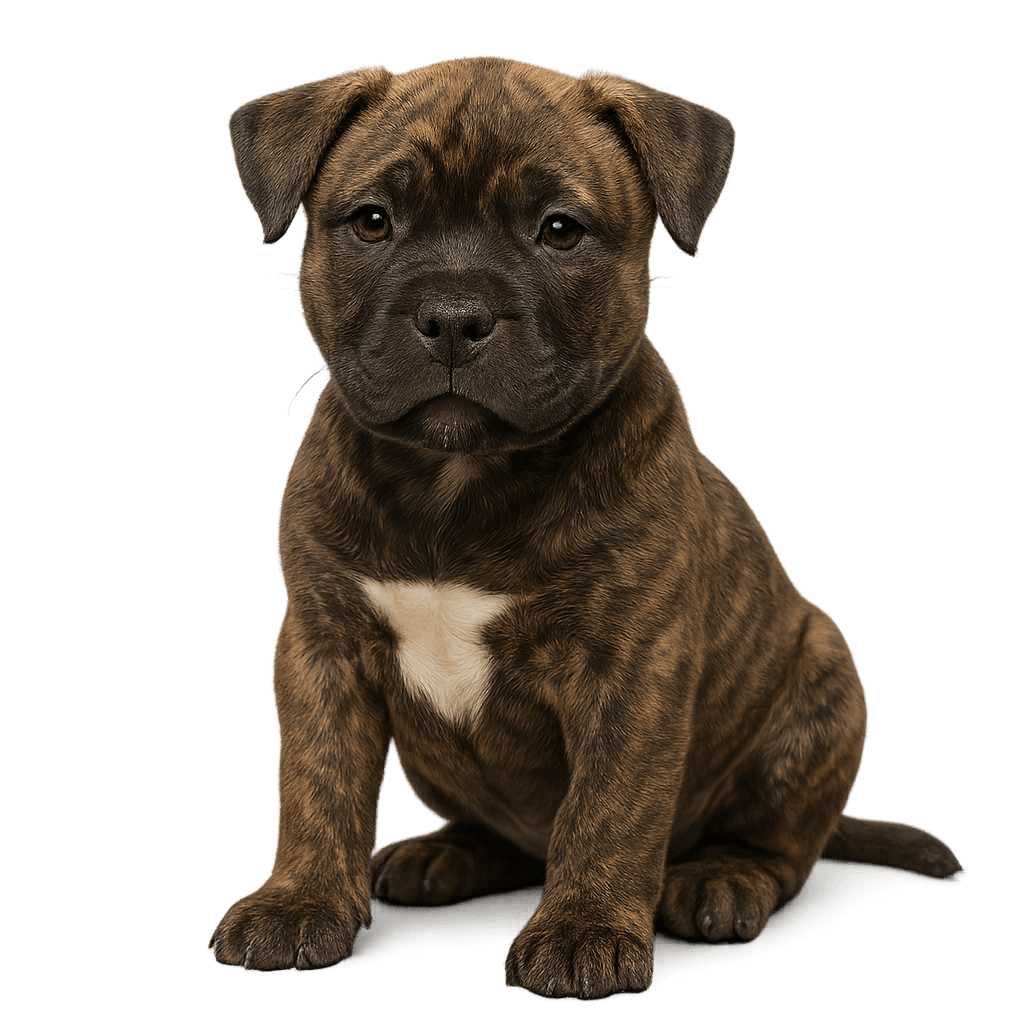
Puppies from America’s most trusted breeder network.
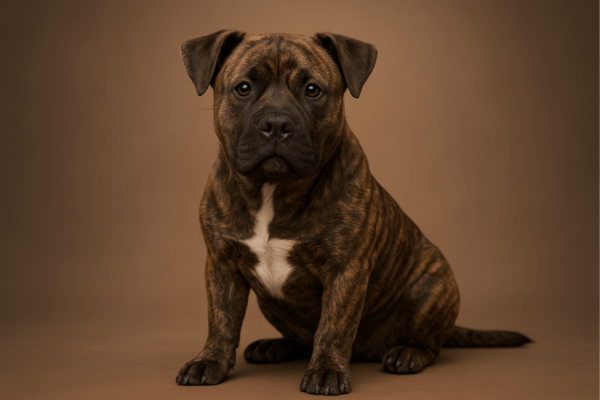
The Akita Bully mix is a powerful, muscular hybrid that combines the loyal, protective nature of the Akita with the confident, athletic build of an American Bully. This isn’t your average family dog—it’s a serious mix that demands an owner who understands dominant breeds and isn’t intimidated by a dog with both brains and brawn. If you’re looking for a couch potato or a beginner-friendly pup, keep scrolling. But if you want a devoted guardian with striking looks and the drive to work, this mix might tick all the boxes—provided you’re ready for the challenge.
This isn’t a designer dog you’ll find on every corner. The Akita Bully mix is relatively rare and unconventional, blending two breeds that both carry strong personalities and physical presence. The Akita brings ancient Japanese guardian instincts—reserved, intelligent, and fiercely loyal. The American Bully contributes compact muscle, confidence, and a surprisingly affectionate side when properly socialized.
What impresses me about this mix is the potential for balance. A well-bred Akita Bully can be protective without aggression, strong without hyperactivity, and loyal without clinginess. But that’s the best-case scenario. What concerns me is the flip side: without proper breeding, training, and socialization, you’re looking at a dog that can be stubborn, territorial, and difficult to manage.
Expect a dog weighing anywhere from 70 to 120 pounds, with a broad chest, muscular frame, and a head that commands attention. Coat type varies—some lean toward the Akita’s thick double coat, others inherit the Bully’s shorter, sleeker fur. Either way, you’re getting a dog that looks intimidating, which can be both an asset and a liability depending on your lifestyle.
Both parent breeds were developed with protection in mind. The Akita was bred to guard Japanese nobility and hunt large game, while the American Bully descends from breeds valued for tenacity and courage. Your Akita Bully mix will likely inherit a strong territorial drive and a natural suspicion of strangers.
In my opinion, this makes them excellent watchdogs but challenging companions if you live in a densely populated area or have frequent visitors. They need to learn early that not every stranger is a threat, and that takes consistent, patient socialization starting in puppyhood.
Here’s what surprises people: despite their tough exterior, properly raised Akita Bully mixes can be deeply affectionate with their family. The American Bully brings a surprisingly soft side—these dogs often crave physical closeness and thrive on human interaction. Combined with the Akita’s loyalty, you get a dog that bonds intensely with their pack.
But that bond comes with a caveat. These dogs can be one-family dogs, meaning they’re not the type to warm up quickly to new people or tolerate being rehomed. If you’re looking for a social butterfly that gets along with everyone, this isn’t your mix.
Let’s be honest: the Akita side brings a stubborn streak that can test even experienced handlers. Akitas were bred to think independently, not to blindly follow commands. Mix that with the Bully’s confidence, and you’ve got a dog that will question your decisions if you’re not consistent.
This isn’t a breed for soft-handed training. They need clear boundaries, firm leadership, and an owner who doesn’t cave under pressure. If you’ve never handled a dominant breed before, I’d strongly recommend working with a professional trainer from day one.

You’re looking at a large, powerful dog—typically 70 to 120 pounds depending on which parent they take after. Males tend toward the upper end, especially if they inherit more Akita genetics. Height ranges from 22 to 28 inches at the shoulder, with a broad chest and muscular build that makes them look even larger.
What this means in practice: you need to be physically capable of handling a strong dog on leash. If they decide to lunge at another dog or chase a squirrel, you need the strength and training to control them. This isn’t a dog for elderly owners or anyone with mobility issues.
Coat type varies significantly. Some Akita Bully mixes inherit the thick double coat of the Akita, which means heavy seasonal shedding and regular brushing—think 3 to 4 times per week during shedding season. Others get the Bully’s shorter, lower-maintenance coat that needs brushing once or twice weekly.
If you’re dealing with the double coat version, prepare for tumbleweeds of fur during spring and fall. You’ll want a solid vacuum and a good undercoat rake. The shorter-coated versions are easier, but they’re not hypoallergenic—no version of this mix is suitable for people with dog allergies.
This mix needs 60 to 90 minutes of daily exercise, but it’s not just about physical activity. These are intelligent dogs that need mental stimulation—nosework, puzzle toys, training sessions. A tired Akita Bully is a well-behaved Akita Bully; a bored one will find creative ways to destroy your home.
What I find works well is combining structured walks with scent work or tracking exercises. Both parent breeds have solid noses and enjoy using them. Teaching your dog to track or search taps into natural instincts and wears them out mentally, which is just as important as physical exercise.
Both parent breeds carry certain genetic health risks, and the mix can inherit any of them:
What concerns me is that many backyard breeders producing this mix aren’t doing proper health screening. If you’re buying a puppy, insist on seeing OFA certifications for hips and elbows, eye clearances, and thyroid testing for both parents. No exceptions.
Expect a lifespan of 10 to 13 years, which is typical for large breeds. To maximize those years, maintain a healthy weight—obesity is a major issue in both parent breeds and puts extra stress on joints. Regular vet checkups, quality nutrition, and appropriate exercise are non-negotiable.
Budget for potential health issues. Between routine care and possible genetic problems, you’re looking at $1,500 to $3,000 annually in veterinary costs, more if serious issues develop. Pet insurance is worth considering, especially given the hip dysplasia and bloat risks.
I can’t stress this enough: early, extensive socialization is the difference between a well-adjusted guardian and a liability. Start the day you bring your puppy home. Expose them to different people, dogs, environments, sounds, and situations—all in controlled, positive ways.
The Akita side brings natural wariness of strangers and potential dog aggression. The Bully side can contribute stubbornness and same-sex aggression. Without proper socialization, these traits amplify into serious behavioral problems. You’re looking at a dog that could be reactive, aggressive, or fearful—none of which are acceptable in a 100-pound animal.
Forget purely positive, treat-based training as your only method. These dogs need structure, consistency, and boundaries. That doesn’t mean harsh corrections—it means clear rules, consistent enforcement, and an owner who doesn’t negotiate.
What I’d recommend is finding a trainer experienced with guardian breeds and bull breeds. Focus on:
These dogs are smart enough to learn quickly but independent enough to decide whether they want to comply. You need to make cooperation more rewarding than defiance, and that requires skill and timing.
A trained Akita Bully isn’t a “finished” dog—they need ongoing mental engagement. Nosework is excellent for this mix. Teaching them to track scents, find hidden objects, or work scent detection games taps into natural abilities and provides the mental challenge they crave.
Other good options include obedience work, weight pulling (if structurally sound), or advanced trick training. The goal is giving them a job and a purpose. A dog with a purpose is far less likely to invent destructive ones.
This mix is not suitable for apartment living unless you’re exceptionally committed to exercise and mental stimulation. They need space—ideally a house with a securely fenced yard. And I mean securely: a determined Akita Bully can jump, dig, or push through weak fencing.
Inside the home, they can be surprisingly calm if properly exercised. Many love lounging near their family, keeping watch. But they need their own space too—a designated bed or crate where they can retreat and decompress.
Can this mix work with children? Maybe, with heavy supervision. They can be gentle and protective with kids they’re raised with, but their size and strength make accidental injuries possible. I wouldn’t recommend this mix for families with children under 8 years old, and never leave them unsupervised with kids of any age.
With other pets, outlook is guarded. The Akita brings same-sex aggression and prey drive; the Bully can be dog-selective. They may tolerate a dog of the opposite sex they’re raised with, but introducing new dogs is risky. Cats and small animals are generally a bad idea unless raised together from puppyhood—and even then, supervision is essential.
If you’re considering adding other breeds to your household, you might also want to research mixes like the Anatolian Shepherd Akita mix, which shares similar guardian instincts but with different temperament nuances.
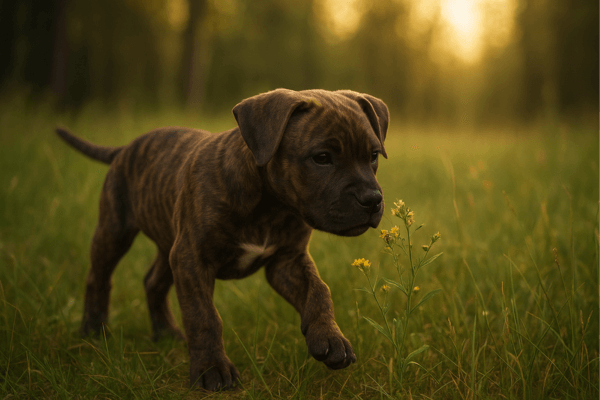
Let’s address the elephant in the room: this mix looks intimidating. That can be useful for home protection, but it also means strangers may react with fear. Some landlords, insurance companies, and even municipalities have breed restrictions that could include this mix due to the Bully heritage.
Before committing, check your homeowner’s or renter’s insurance policy. Verify local ordinances. Understand that you may face discrimination or restrictions simply because of how your dog looks. It’s frustrating but realistic.
This mix isn’t common, so finding one takes effort. Your options:
If buying from a breeder, insist on meeting both parents, seeing health clearances, and visiting where the puppies are raised. A good breeder will ask you as many questions as you ask them—they should care about where their puppies go.
Walk away if:
Backyard breeders producing this mix often prioritize looks over temperament and health. That’s a recipe for disaster with powerful guardian breeds.
Adopting an adult Akita Bully mix can be rewarding but risky. You’re getting a dog with an unknown history and potentially ingrained behavioral issues. Work with a rescue that conducts thorough behavioral assessments and offers post-adoption support.
If you’re adopting, honestly assess whether you can handle potential challenges: reactivity, aggression, fear-based behaviors. These aren’t dogs you can “love into” good behavior—they need skilled, experienced handling.
You’re a good match if you:
This mix is not suitable if you:
There’s no shame in recognizing this isn’t the right dog for your situation. It’s better to acknowledge that upfront than to take on a dog you can’t properly manage.
Buying or adopting the dog is just the start. Budget for:
Over their lifetime, you’re looking at $20,000 to $35,000 or more in total costs. That’s a significant financial commitment.


