


Field researcher, animal behavior specialist, and Dog lover
Puppies from America’s most trusted breeder network.
Look, I’ll be straight with you—an Akita Doberman mix isn’t a dog you stumble into by accident. This is a powerful, intelligent hybrid that combines the territorial loyalty of an Akita with the athletic drive of a Doberman. If you’re considering this mix, you need to know what you’re signing up for. We’re talking about a large, assertive dog that demands an experienced handler, serious training commitment, and a lifestyle that can accommodate its physical and mental needs. This isn’t a couch potato companion or a first-timer’s project—it’s a working-minded guardian that’ll challenge you every step of the way.
The Akita brings ancient Japanese guardian instincts to this mix. Originally bred to hunt large game and protect families, Akitas are fiercely loyal but notoriously independent. They’re not the type to eagerly please—they’ll assess situations themselves and make decisions accordingly. This breed typically weighs 70-130 pounds and carries that dignified, almost aloof demeanor that can read as standoffish to strangers. What concerns me most about Akita genetics is their tendency toward same-sex aggression and their low tolerance for what they perceive as threats to their territory or family.
Health-wise, Akitas come with baggage: hip and elbow dysplasie, hypothyroidism, and autoimmune disorders show up regularly in the breed. They also have that thick double coat that sheds catastrophically twice a year. If you’ve never lived through an Akita blow-out, imagine tumbleweeds of fur rolling through your house daily for weeks.
Dobermans contribute a completely different energy profile—they’re high-drive working dogs bred for personal protection and police work. Where Akitas are contemplative, Dobermans are reactive and alert. They’re incredibly intelligent, athletic, and bond intensely with their handlers. A purebred Doberman weighs 60-100 pounds and needs serious mental and physical work to stay balanced. Without it, you’ll see anxiety, destructiveness, and obsessive behaviors emerge quickly.
Dobermans also bring their own health concerns to the table: dilated cardiomyopathy (DCM) is a major killer in the breed, along with von Willebrand’s disease, wobbler syndrome, and hip dysplasia. Their short coat is low-maintenance compared to an Akita, but they’re sensitive to cold and shouldn’t live outdoors. When you cross these two breeds, you’re essentially combining two powerful guardian temperaments with overlapping but distinct health vulnerabilities.
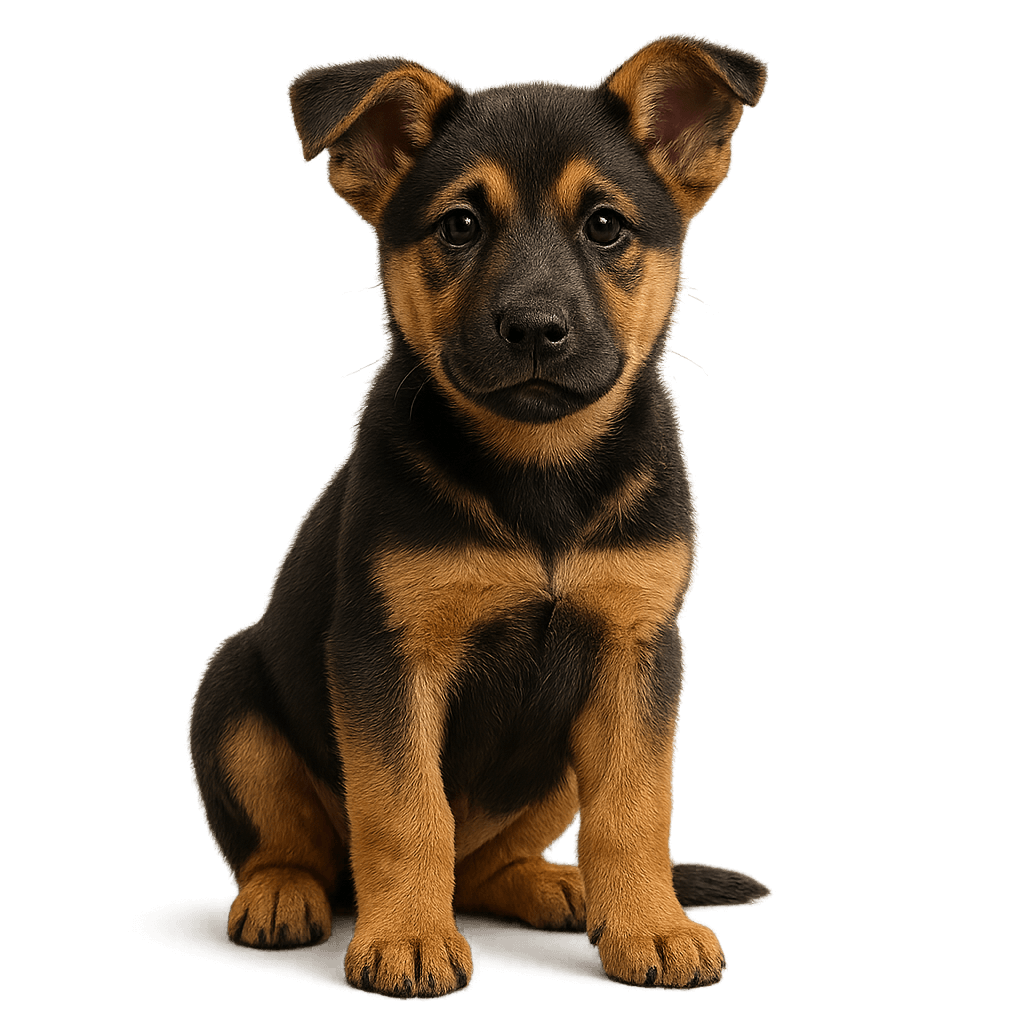
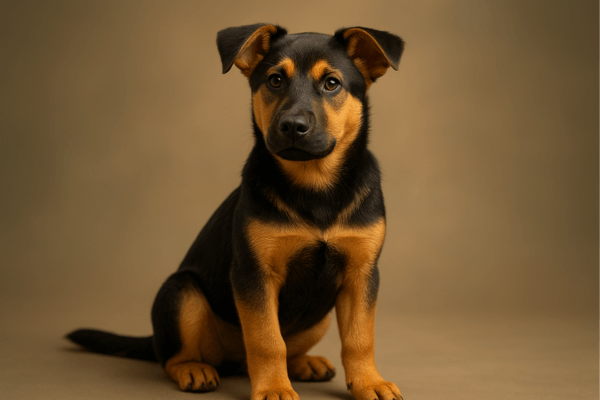
You’re looking at a large dog—typically 70-110 pounds when fully grown, with males often pushing the upper end. Height usually ranges from 24-28 inches at the shoulder. The physical appearance can vary wildly depending on which parent they favor. Some will have the Doberman’s sleek, athletic build with a slightly longer coat, while others might carry the Akita’s stockier frame with a shorter coat than expected.
Coat type is a genetic toss-up. You might get lucky with a short, Doberman-style coat that requires minimal grooming, or you could end up with a medium-length double coat that sheds moderately year-round with seasonal blow-outs. Coat colors typically include black, brown, red, or brindle, sometimes with the Doberman’s rust markings. What I find interesting about this mix is that the Akita’s bear-like head often softens the Doberman’s more angular features, creating a distinctive look that’s immediately recognizable as something different.
Here’s where things get complex. Both parent breeds are naturally protective and suspicious of strangers, so you can expect your mix to be an excellent watchdog—perhaps too excellent if not properly socialized. The Akita contributes a more measured, observant approach to guarding, while the Doberman adds hair-trigger alertness and quick reactivity. In practice, this means you’ll have a dog that notices everything, analyzes threats constantly, and won’t hesitate to position itself between you and perceived danger.
With family, these dogs typically show intense loyalty and affection, though they’re not usually the goofy, everybody’s-friend type. They tend to bond most strongly with one or two people and tolerate others. This is not a dog that does well being passed around between family members for care—they want clear leadership and consistent handling.

The independence from the Akita combined with the Doberman’s handler focus creates an interesting dynamic. You’ll get a dog that’s trainable and wants to work with you, but also one that questions commands and tests boundaries regularly. In my opinion, this actually makes them more interesting to work with if you have the experience—they’re problem-solvers, not robots. But if you’re looking for the eager-to-please compliance of a Golden Retriever, you’ll be frustrated constantly.
Let me be blunt: this mix requires extensive, ongoing socialization starting the moment you bring your puppy home. Both parent breeds have protective instincts that can tip into aggression without proper exposure to different people, places, animals, and situations during the critical socialization window (8-16 weeks). Missing this window doesn’t make training impossible, but it makes everything significantly harder.
Training approach matters enormously with this cross. Heavy-handed corrections or dominance-based methods will backfire spectacularly—you’ll either shut the dog down or create defensiveness and mistrust. Positive reinforcement with clear boundaries works best. These dogs are smart enough to learn quickly but stubborn enough to refuse if they don’t see the point. You need to make training engaging, varied, and rewarding.
What concerns me most is that many owners underestimate the ongoing training commitment. This isn’t a “train for six months and you’re done” situation. An Akita Doberman mix needs regular mental work throughout its life—obedience practice, nosework, tracking, or other structured activities that engage that powerful detection and guarding drive. A bored mix like this will create its own job, and you won’t like what they choose.
For those interested in different temperament combinations in Akita mixes, the Akita Chihuahua mix presents a completely different size and energy profile, though still requiring experienced handling.
Plan on 90-120 minutes of physical activity daily, broken into multiple sessions. A quick walk around the block won’t cut it—these dogs need real exercise. Long hikes, jogging (once physically mature), fetch sessions, or pulling work all fit the bill. The Doberman genetics especially demand cardiovascular work to burn off that high-strung energy.
Beyond physical exercise, mental stimulation is equally critical. Nosework is absolutely perfect for this mix—it taps into natural detection instincts from both breeds and provides the kind of focused mental work that actually tires them out. Puzzle toys, training sessions, and scent games should be part of your daily routine. A physically tired but mentally bored Akita Doberman mix will still find ways to entertain itself, usually involving destruction or nuisance barking.
One important consideration: this mix often has low dog-park suitability. The Akita’s tendency toward same-sex aggression combined with the Doberman’s intensity means off-leash play with unknown dogs can escalate quickly. Individual dogs vary, but I’d recommend controlled socialization with known, compatible dogs rather than free-for-all park situations.
You’re inheriting health risks from both sides of the family tree. Hip and elbow dysplasia show up in both Akitas and Dobermans, so orthopedic screening of parent dogs is non-negotiable if you’re buying from a breeder. Progressive retinal atrophy and other eye issues appear in Akitas, while Dobermans contribute risk for dilated cardiomyopathy—a serious heart condition that can cause sudden death.
Hypothyroidism runs in Akitas and can cause weight gain, lethargy, and skin problems. Von Willebrand’s disease (a bleeding disorder) comes from the Doberman side. Bloat and gastric torsion are serious risks in any large, deep-chested dog, and both parent breeds are susceptible. This is a life-threatening emergency that requires immediate veterinary intervention.
What I find concerning is that hybrid vigor—the theory that mixed breeds are automatically healthier—doesn’t apply reliably when both parent breeds share similar health problems. You’re not necessarily reducing risk; you’re just making it less predictable which issues might appear.
Life expectancy typically ranges from 10-12 years, which is standard for large breeds. Annual veterinary costs for routine care usually run $500-800, but that jumps significantly if health issues develop. Hip surgery can cost $3,000-7,000 per hip. Cardiac workups and ongoing medication for DCM can run hundreds monthly. It’s worth budgeting $100-150 monthly for unexpected veterinary expenses if you want to avoid difficult decisions later.
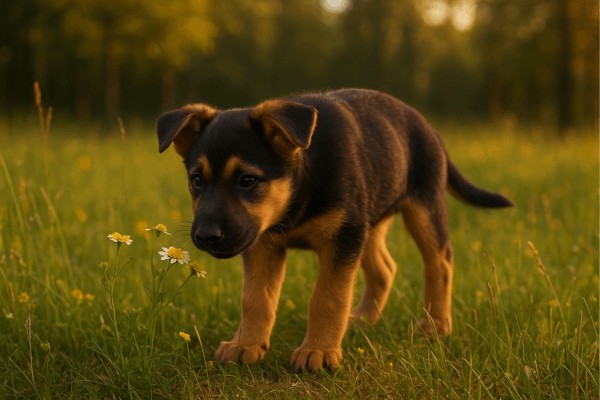
Grooming requirements depend heavily on which coat type your individual dog inherits. If you luck into the Doberman’s short coat, weekly brushing and occasional baths handle most needs. If you get more Akita influence, expect that dense undercoat and 2-3 brushing sessions weekly, increasing to daily during seasonal sheds. Nail trimming every 3-4 weeks, regular ear checks, and dental care round out the routine.
One practical consideration: large dogs with heavy coats are significantly more work when they get dirty or wet. If you’re an outdoorsy person who hikes in all weather, bathing a 90-pound dog with a thick coat is a legitimate workout. Many owners of larger mixes end up using professional grooming services seasonally, which runs $60-100 per session depending on location and coat condition.
This mix is absolutely not suitable for apartment living. They need space—both indoors and out. A house with a securely fenced yard is essential. And when I say securely fenced, I mean 6-foot solid fencing that a determined, athletic dog can’t jump, climb, or dig under. Both Akitas and Dobermans can be escape artists when motivated, and this mix inherits that potential.
Climate considerations matter too. The Doberman’s short coat and low body fat make them cold-sensitive, while the Akita’s thick coat creates heat sensitivity. Depending on which genetics dominate, your dog might struggle with temperature extremes. In practice, this usually means limited outdoor time in very hot or cold weather and indoor climate control.
Noise level is another factor—these dogs typically bark when alerting to perceived threats, which in a territorial guardian mindset can be frequent. If you have close neighbors or noise restrictions, this creates problems quickly. Training can modify but not eliminate protective barking; it’s hardwired behavior.
Let’s be realistic about who should consider an Akita Doberman mix. You need extensive experience with large, assertive breeds—this is not a second dog, let alone a first. You need time for daily training and exercise, financial resources for potential health issues, and a living situation with adequate space and security. You also need a lifestyle that accommodates a dog that won’t be welcome everywhere due to size and protective instincts.
This mix is ideal for someone who wants a serious personal protection dog and has the knowledge to channel those instincts appropriately. They excel in homes where they have clear jobs—whether that’s estate protection, personal security work, or intensive sport training. They’re loyal, intelligent, and capable of incredible focus when properly developed.
They’re not suitable for families with young children (too intense and large), households with other pets (potential aggression issues), or anyone wanting a social, everybody’s-friend companion. If your lifestyle involves frequent visitors, dog parks, or casual outdoor cafes where your dog mingles with strangers, this isn’t your match. What you’ll get is a devoted, one-person or one-family dog that takes its protective role seriously—sometimes too seriously.
This is a rare, non-standard mix, so you won’t find breeders specifically producing them in any volume. Most appear as accidental litters or one-off breedings by people who happen to own both breeds. This makes finding a well-bred puppy with health-tested parents extremely difficult. If you do locate a breeder, expect to pay $800-1,500, and absolutely insist on seeing hip, elbow, cardiac, and eye clearances for both parents.
Rescue and shelter channels are actually more likely sources. Both Akitas and Dobermans end up in rescue regularly due to owners underestimating their needs, and mixes appear periodically. Adoption fees typically run $150-400. The advantage of adopting an adult is you’ll see the actual temperament and size rather than guessing from puppy genetics. The disadvantage is you may inherit behavioral issues from previous poor handling or lack of socialization.
Whatever source you choose, meet the dog multiple times before committing. Assess their reaction to strangers, other dogs, novel situations, and handling. A reputable rescue will be honest about behavioral challenges. A responsible breeder will demonstrate both parents’ stable temperaments. Anyone who won’t let you thoroughly evaluate the dog or parents is someone to avoid.


