


Field researcher, animal behavior specialist, and Dog lover

Puppies from America’s most trusted breeder network.

The Akita Malinois mix isn’t a cross you stumble across at your local dog park every day. This is a high-powered combination of two intensely focused, driven working breeds—the Japanese Akita and the Belgian Malinois. If you’re researching this mix, you’re probably looking at a very specific kind of dog: intelligent, protective, physically capable, and absolutely not for the faint of heart. I’ll be straight with you—this is one of the most demanding designer mixes I’ve come across. But for the right owner, with the right lifestyle and commitment, it’s also one of the most rewarding.
Let’s talk reality first. The Akita brings loyalty, independence, and territorial instinct. The Malinois brings relentless energy, laser focus, and a workaholic mentality that never clocks out. Put those together, and you’ve got a dog that needs a job—not just a walk around the block. This isn’t a couch companion or a weekend hiking buddy. This is a dog that will mentally assess every situation, protect your home with zero hesitation, and demand structure every single day.
Expect a dog that stands somewhere between 24 to 28 inches tall and weighs 60 to 100 pounds, depending on which parent they favor. The Malinois side tends to be leaner and more athletic, while the Akita side adds bulk and power. You’ll likely end up with a muscular, medium-to-large dog with a sturdy frame and serious presence. This isn’t a dog that blends into the background.
Both parent breeds have double coats, so expect moderate to heavy shedding year-round, with serious blowouts twice a year. Brushing two to three times a week is the minimum, and during shedding season, you’ll want to brush daily unless you enjoy finding tufts of fur in every corner of your house. The coat is typically short to medium length, dense, and weather-resistant. Not hypoallergenic, not low-maintenance.

This is where things get real. The Akita Malinois mix is loyal to a fault, often bonding intensely with one or two people. They’re suspicious of strangers, naturally protective, and have a strong guarding instinct. The Malinois influence adds high energy and a need for constant mental engagement. What that means in practice: you can’t just leave this dog in the yard and expect them to be content. They’ll get bored, destructive, and potentially reactive.
The Akita side brings stubborn independence—they’re not people-pleasers like a Lab. The Malinois side brings intensity and drive that borders on obsessive. Together, you get a dog that’s smart enough to test your boundaries and driven enough to push through them if you’re inconsistent. Training isn’t optional. It’s survival.
I’ll be blunt: this mix is not ideal for families with young children. The Akita’s protective nature combined with the Malinois’ high arousal can lead to unpredictable reactions, especially if a child runs, screams, or play-fights. With older, calm kids who understand boundaries? Maybe. But supervision is non-negotiable. As for other pets, especially small animals, the prey drive from the Malinois can be strong. Early socialization is critical, but even then, I wouldn’t trust this mix off-leash around cats or small dogs without serious training.
If you’re not prepared to invest serious time in training from day one, walk away from this mix. Both parent breeds are working dogs with sharp minds and strong wills. The Akita Malinois mix needs early, consistent, and positive reinforcement-based training. But here’s the catch: they’re smart enough to know when you’re bluffing, and independent enough to ignore you if they don’t respect your leadership.
Basic obedience isn’t enough. You need to establish clear rules and boundaries from puppyhood and maintain them religiously. This dog will test limits, especially during adolescence. Positive reinforcement works, but you also need to be firm and consistent. Mixed signals or inconsistent follow-through will backfire fast. Consider working with a professional trainer experienced in working breeds—this isn’t a dog you train from YouTube videos alone.
Expose your Akita Malinois mix to different people, places, sounds, and situations as early as possible. Both parent breeds can be wary of strangers and reactive to unfamiliar stimuli if not properly socialized. But don’t just throw them into chaos—controlled, positive experiences are key. Puppy classes, controlled meet-and-greets, and gradual exposure to new environments will pay off long-term. Skip this step, and you risk a dog that’s fearful, aggressive, or both.
Let’s talk energy. The Malinois is one of the most high-drive breeds out there, bred to work all day without tiring. The Akita is calmer but still needs physical and mental engagement. This mix falls somewhere in between, but closer to the Malinois end of the spectrum. A 30-minute walk won’t cut it. Not even close.
Plan for 90 to 120 minutes of exercise daily, and I’m not talking about a leisurely stroll. This dog needs running, hiking, fetch sessions, or structured work like tracking or agility. If you’re into outdoor adventures, trail running, or dog sports, this mix will thrive. If your idea of exercise is a quick loop around the block before work, you’ll end up with a frustrated, destructive dog.
Physical exercise alone won’t tire out this brain. The Malinois side especially needs mental challenges—nosework, puzzle toys, obedience drills, scent detection games. I’d argue that 20 minutes of intense mental work is worth an hour of physical exercise for this mix. A bored Akita Malinois is a destructive one, and they’re smart enough to get creative. If you’re not giving them a job, they’ll create one, and you probably won’t like what they come up with.
If you’re drawn to highly intelligent, driven breeds, you might also find the Akita Australian Shepherd mix interesting—another combination that demands serious mental engagement.
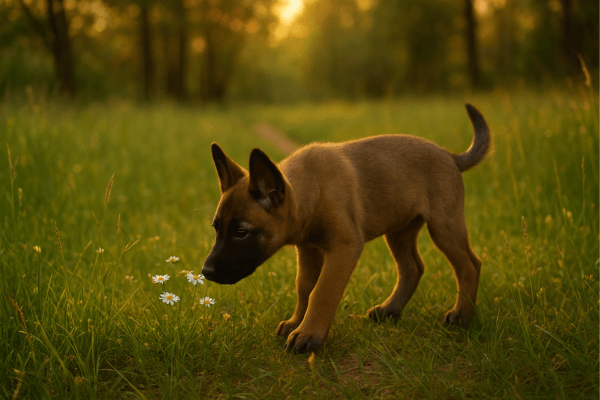
Both parent breeds carry genetic health risks, and the mix can inherit any combination of them. Responsible breeders should screen for hip and elbow dysplasia, eye issues, and thyroid problems. The Akita is prone to autoimmune disorders and bloat, while the Malinois can have epilepsy and hip dysplasia. Life expectancy for this mix is typically 10 to 13 years, assuming good care and no major health issues.
Budget for $500 to $1,000 annually for routine vet care, more if health issues pop up. Large breed dogs also mean higher costs for medications, surgeries, and even basic care like boarding. Factor that in before committing.
I’ll say it plainly: this mix is not for first-time dog owners. It’s not for people who work long hours and expect a dog to entertain themselves. It’s not for apartment living or sedentary lifestyles. This is a dog for experienced handlers who understand working breeds, have time and energy to invest daily, and ideally have a specific job or sport in mind for the dog.
If that’s you, this mix can be an incredible partner. They’re fiercely loyal, incredibly smart, and capable of high-level work if channeled properly. But if you’re looking for an easy-going family pet, keep looking.
This isn’t a common mix, so you won’t find many breeders. If you do find one, vet them thoroughly. Ask for health clearances on both parents, meet the dogs in person, and ask about temperament testing. Avoid backyard breeders or anyone who can’t provide documentation. Expect to pay $800 to $2,000 from a responsible breeder, depending on lineage and location.
You might also find Akita or Malinois mixes in breed-specific rescues or high-volume shelters, especially in rural areas. Adoption fees typically run $200 to $500. Just know that rescue dogs may come with unknown histories, which can complicate training and behavior management with a mix this intense.
Day-to-day life with this dog revolves around structure, routine, and engagement. They do best with a predictable schedule, clear rules, and plenty of opportunities to work their brain and body. They’re not cuddly lap dogs—they’re vigilant, observant, and always “on.” That can be exhausting if you’re not prepared, but it’s also what makes them such effective working and protection dogs.
You’ll need to manage their environment carefully. Secure fencing is a must, as both breeds can be escape artists if motivated. Socialization needs to continue throughout their life, not just in puppyhood. And you’ll need to stay on top of training—what they learn at six months can regress by a year if you let consistency slip.
Here’s my honest take: the Akita Malinois mix is a serious dog for serious people. If you’re an experienced handler looking for a loyal, driven, intelligent partner for protection work, dog sports, or serious outdoor adventures, this mix can be everything you’re looking for. But if you’re attracted to the “cool factor” without understanding the commitment, you’ll be in over your head fast. This dog will demand more from you than most breeds, but they’ll also give back tenfold—if you’re willing to meet them halfway.


