


Field researcher, animal behavior specialist, and Dog lover

Puppies from America’s most trusted breeder network.

If you’re considering an Akita Mastiff Mix, you’re looking at one of the more imposing crossbreeds out there. This isn’t a dog for everyone—combining the territorial, independent Akita with the gentle giant Mastiff creates a powerful animal that demands respect, space, and an experienced hand. In my opinion, this mix attracts people who want a loyal guardian with substance, but what you need to understand is that both parent breeds bring serious considerations to the table. I’ll walk you through what living with this crossbreed actually looks like, from temperament quirks to the realities of daily care.
The Akita brings loyalty, alertness, and a strong protective instinct to this mix. Originally bred in Japan for hunting large game and guarding property, Akitas are naturally wary of strangers and possess an independent streak that can read as stubbornness. They’re not the type to follow you around seeking constant approval—they observe, assess, and make their own decisions. This intelligence is impressive, but it means training requires consistency and respect rather than repetition and treats alone.
What concerns me about the Akita influence is their low tolerance for other dogs, especially same-sex aggression, and their strong prey drive. They can be wonderful with their own family, including children they’ve grown up with, but introductions to new dogs or small animals need careful management. The Akita’s double coat sheds heavily twice a year, and they typically stand 24-28 inches tall, weighing 70-130 pounds depending on sex.
Mastiffs, by contrast, are generally gentle, affectionate, and less reactive than Akitas. These massive dogs were bred as estate guardians in England, and while they’re protective, they tend to be calmer and more accepting of strangers once properly introduced. A Mastiff’s size alone—often 27-32 inches and 120-230 pounds—is its primary deterrent. They’re not aggressive by nature, but their deep bark and imposing presence make them excellent watchdogs.
The Mastiff’s temperament softens the Akita’s intensity in many cases, but it also contributes to serious health concerns. Hip and elbow dysplasia, bloat (gastric torsion), heart issues, and a shorter lifespan of 6-10 years are realities with this breed. If your mixed pup leans more Mastiff in build, expect drooling, a lower energy level than a purebred Akita, and the need for careful growth management during puppyhood to protect developing joints.
You’re looking at a large to giant-sized dog—typically 26-32 inches at the shoulder and 90-160 pounds, though some individuals push beyond that range. Males tend toward the larger end, females slightly smaller. The build can vary considerably: some mixes inherit the Akita’s more athletic, bear-like frame, while others lean toward the Mastiff’s heavier, bulkier structure with more wrinkles and loose skin.
The coat is usually short to medium-length, dense, and sheds year-round with heavier seasonal blows. Colors range widely—fawn, brindle, black, red, white, or combinations with masks and markings. Expect to brush 2-3 times weekly minimum, daily during shedding season, and accept that your floors and furniture will accumulate hair. This isn’t a breed mix for neat freaks or anyone with serious dog allergies.
In my experience observing guardian breeds, the Akita Mastiff mix tends to be calm but alert, affectionate with family, and naturally suspicious of strangers. They’re not typically the exuberant, everyone-is-my-friend type. Instead, they form deep bonds with their household and take their protective role seriously. This can be wonderful for security-conscious owners, but it means you’ll need to actively socialize your pup and manage situations where guests visit or unfamiliar people approach.
What I find impressive about this mix is the potential for a balanced temperament—the Mastiff’s gentleness can temper the Akita’s intensity, creating a dog that’s confident without being reactive. However, genetics are unpredictable in first-generation crosses. Some pups inherit more of the Akita’s same-sex aggression or prey drive, while others are more like the easygoing Mastiff. You won’t know which traits dominate until the dog matures, typically around 2-3 years old.
This mix generally does well with children they’ve been raised with, but I’d recommend caution with very young kids due to the dog’s size alone—an enthusiastic tail wag or playful bump can knock over a toddler. Supervision is non-negotiable, and teaching children how to respectfully interact with a large, strong dog is essential.
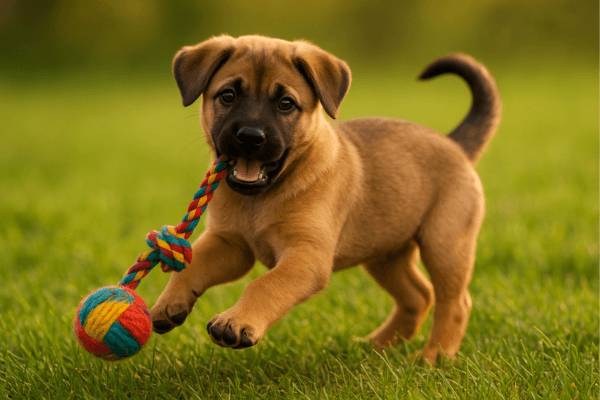
If there’s one area you cannot compromise on with an Akita Mastiff mix, it’s early socialization and consistent training. Both parent breeds are independent thinkers, and without proper guidance, you’ll end up with a stubborn, potentially reactive giant on your hands. Puppy socialization classes, controlled exposure to different environments, people, and friendly dogs during the critical 8-16 week period—all of this lays the foundation for a well-adjusted adult.
I’d recommend positive reinforcement training that respects the dog’s intelligence and natural wariness. Harsh corrections or dominance-based methods tend to backfire with these breeds, creating defensiveness or distrust. Instead, focus on building a relationship based on mutual respect. Reward good choices, redirect unwanted behaviors, and establish clear household rules from day one.
While this mix doesn’t have the frantic energy of a herding breed, they absolutely need mental engagement. Their detection instincts—inherited from both guarding lines—make them naturally alert to their environment. Nosework activities, puzzle feeders, and training sessions that challenge their problem-solving abilities will keep them content. A bored Akita Mastiff mix can become destructive or develop nuisance barking habits.
What works particularly well, in my opinion, is incorporating scent-based activities into daily routines. Hide treats around your property for them to find, practice tracking exercises, or simply allow them to thoroughly sniff during walks rather than rushing through. This taps into their natural abilities and provides the kind of brain workout that truly tires them out—far more effectively than just physical exercise alone.
Despite their size, Akita Mastiff mixes are moderate energy dogs as adults—not marathon runners, but not couch potatoes either. Plan for 45-90 minutes of daily activity, split into multiple sessions. Brisk walks, time in a securely fenced yard, and moderate play are ideal. Avoid intense exercise or forced runs before 18-24 months of age, as their joints are still developing and excessive strain increases dysplasia risk.
Summer heat deserves special attention with this mix. Both parent breeds can struggle in hot weather, particularly if your dog inherits the Mastiff’s shorter muzzle or heavier build. Early morning or evening outings, access to shade and water, and avoiding midday heat are essential. If your dog starts excessive panting or seems reluctant to continue, head home immediately—heatstroke is a serious risk for brachycephalic or heavily-built breeds.
One advantage of this mix is their adaptability to different activities. They’re not built for agility courses or long-distance running, but many enjoy swimming (if introduced properly), moderate hiking, and simple retrieve games. The key is consistency rather than intensity—regular, moderate exercise maintains their physical and mental health without overtaxing their frames.
Both parent breeds carry significant health concerns, and their offspring can inherit any combination. Hip and elbow dysplasia top the list—both breeds are predisposed, so screening parents through OFA or PennHIP evaluations is critical when selecting a puppy. Responsible breeders will provide documentation; if they don’t, walk away.
Bloat, or gastric dilatation-volvulus (GDV), is a life-threatening emergency common in deep-chested large breeds. Symptoms include unproductive vomiting, restlessness, and a distended abdomen. If you see these signs, get to an emergency vet immediately—minutes matter. Prevention strategies include feeding smaller meals 2-3 times daily rather than one large meal, avoiding exercise immediately before and after eating, and considering a preventive gastropexy surgery (stomach tacking) during spay/neuter.
Additional concerns include:
Realistically, expect 8-11 years with this mix, potentially less if they inherit the Mastiff’s shorter lifespan or develop serious health issues. This is significantly shorter than many breeds, and it’s something prospective owners need to emotionally prepare for. The giant size that makes them impressive also accelerates aging and joint deterioration.
Maintaining quality of life means proactive veterinary care—annual exams minimum, more frequently in senior years. Joint supplements (glucosamine, chondroitin, omega-3s) from middle age onward can help manage arthritis. Weight management is absolutely critical; even 10-15 extra pounds puts enormous stress on joints and organs in a dog this size. If your dog becomes obese, you’re significantly shortening their already limited time and reducing their comfort.
Grooming isn’t overly complicated with this mix, but it’s time-consuming due to their size. Weekly brushing minimum keeps the coat manageable, but during spring and fall shedding seasons, you’ll want to brush daily with an undercoat rake or deshedding tool. Bathing every 6-8 weeks or as needed—more frequent bathing can dry out their skin, which both breeds are prone to.
Nail trimming every 3-4 weeks is essential, and with a dog this large, their nails are substantial. If you’re not comfortable doing it yourself, budget for regular groomer visits. Ear checks weekly help catch infections early, particularly if your dog has the Mastiff’s heavier, folded ear leather. Dental care—ideally daily brushing—prevents the periodontal disease that affects most dogs and can lead to systemic health issues.
If your mix inherits Mastiff facial wrinkles, those folds require regular cleaning to prevent bacterial or yeast infections. Wipe them daily with a damp cloth and dry thoroughly. It’s a small task, but neglecting it leads to unpleasant odors and painful skin conditions that require veterinary treatment.

This is not an apartment dog. While their exercise needs are moderate, their sheer size demands space—both indoors and out. A house with a securely fenced yard is ideal, giving them room to patrol their territory and move comfortably. Fencing should be at least 5-6 feet tall and sturdy; while they’re not typically fence jumpers, their strength means flimsy barriers won’t contain them if motivated.
Inside, they’ll need space for a large orthopedic dog bed—something that supports their joints. Stairs can be problematic as they age, so if possible, keep their primary living area on one level. If your dog is anything like the guardian breeds I’ve observed, they’ll want to position themselves where they can monitor the household—typically somewhere with a view of entryways and family activity.
Climate considerations matter significantly. Both parent breeds prefer cooler temperatures, and if you live in a hot region, adequate air conditioning isn’t optional—it’s necessary for their health and comfort. In winter, while they’re more cold-tolerant, providing shelter from extreme weather and icy conditions protects their joints and paw pads.
An adult Akita Mastiff mix typically consumes 4-8 cups of high-quality dog food daily, split into 2-3 meals to reduce bloat risk. Exact amounts depend on age, activity level, metabolism, and whether they lean toward the lighter Akita build or heavier Mastiff frame. This translates to roughly $80-150 monthly for premium food—not insignificant when budgeting for dog ownership.
I’d recommend a large-breed formula that’s specifically designed for their needs: controlled calcium and phosphorus for joint health, appropriate protein levels (22-26% for adults), and added glucosamine. During puppyhood (up to 18-24 months), use a large-breed puppy formula that supports slow, steady growth rather than rapid weight gain, which stresses developing bones and joints.
Avoid free-feeding with this mix. Measured meals help you monitor intake and maintain proper weight, plus the routine supports training—a hungry dog is a motivated dog. Treats should constitute no more than 10% of daily calories, and high-value rewards during training sessions work better than constant snacking. If your dog becomes overweight, the consequences for joint health and lifespan are serious.
The Akita Mastiff mix suits experienced dog owners who understand guardian breed temperaments and are comfortable handling large, strong animals. If you’re looking for your first dog, I’d honestly recommend gaining experience with more forgiving breeds first. These dogs require confident leadership, consistent boundaries, and someone who can physically manage them if necessary—during vet visits, grooming, or unexpected situations.
You’ll thrive with this mix if you:
This isn’t the right fit if you have very young children without the ability to supervise constantly, multiple other pets (especially small animals or dogs), or limited time for training and socialization. The financial commitment is substantial—not just food and routine care, but the reality that large breeds often face expensive health issues. Emergency surgeries, specialist care for joint problems, or managing chronic conditions can easily run thousands of dollars.
If you’re bothered by shedding, drooling (if Mastiff traits dominate), or dog odor, you’ll struggle with this mix. They’re working dogs who’ll happily patrol muddy yards and need regular bathing. The expectation of a pristine home doesn’t align with owning a giant breed. Similarly, if you want an off-leash companion for dog parks or a social butterfly who loves everyone, look elsewhere—this mix’s protective nature and potential dog-selectiveness make those scenarios risky.
Akita Mastiff mixes are relatively uncommon, which means finding a well-bred puppy takes effort. Look for breeders who health test both parents—hip and elbow scores, eye certifications, cardiac clearances, and thyroid function tests minimum. They should be transparent about health histories, allow you to meet at least the mother, and ask you detailed questions about your experience and plans for the puppy. If a breeder has multiple litters, multiple breeds, or doesn’t screen buyers, those are red flags.
Adoption is another option worth exploring. Breed-specific rescues for Akitas and Mastiffs sometimes have mixes available, and general large-breed rescues often take in guardian-type dogs. The advantage is knowing the adult temperament rather than guessing how a puppy will develop. Many rescue dogs are surrendered through no fault of their own—owners underestimated the size, training needs, or costs—and can make wonderful companions for prepared homes.
Expect to pay $800-2,000 for a puppy from a reputable breeder, potentially more depending on region and lineage. Rescue adoption fees typically range $200-500. While the upfront cost difference is significant, remember that health testing and early socialization from a responsible breeder can save thousands in future veterinary bills and behavioral issues.
If you’re drawn to the Akita Mastiff mix but want to explore alternatives, several crosses share similar traits. An Akita Shiba Mix offers the Akita’s loyalty in a smaller, more manageable package, though they retain the independence and potential dog-selectiveness. The German Shepherd Mastiff mix brings slightly higher trainability and less same-sex aggression, while the Rottweiler Mastiff cross offers similar guarding instincts with potentially better dog-tolerance.
Each combination shifts the balance of traits. The Cane Corso Mastiff mix leans even more toward intensity and requires the most experienced handling. The Bernese Mountain Dog Mastiff mix adds friendlier, more social tendencies but significantly more shedding. Researching parent breed temperaments helps predict which combination aligns best with your lifestyle and experience level.
The Akita Mastiff mix isn’t a dog for everyone, and honestly, that’s okay. They’re powerful, independent, loyal guardians who require experienced handling, significant space, and a realistic understanding of large-breed ownership. If you’re prepared for the training commitment, health considerations, and shorter lifespan, you’ll find a deeply bonded companion who takes their family role seriously.
What I appreciate about this cross is the potential for a balanced temperament—the Mastiff’s gentleness softening the Akita’s intensity when genetics cooperate. But hybridization is unpredictable, especially in first-generation crosses. You might get the best of both breeds, or you might face the challenges of both. Go in with eyes open, prioritize early socialization, and commit to consistent leadership. For the right owner, an Akita Mastiff mix can be an impressive, devoted companion. For the wrong owner, they’re an overwhelming responsibility that often ends in rehoming. Be honest about which category you fall into before bringing one home.


