


Field researcher, animal behavior specialist, and Dog lover

Puppies from America’s most trusted breeder network.
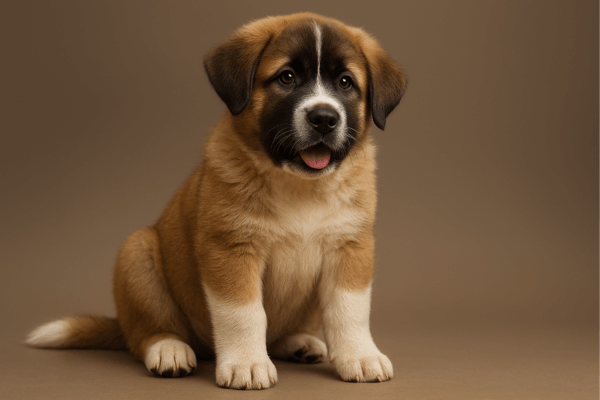
You’re looking at one of the more unusual designer mixes out there. The Akita Saint Bernard mix brings together two massive, powerful breeds with wildly different backgrounds—one a dignified Japanese guardian, the other a legendary alpine rescue dog. This isn’t your average family pet or first-time dog owner material. It’s a serious commitment wrapped in a whole lot of fur, drool, and loyalty. If you’ve stumbled on this mix through a shelter listing or a breeder’s surprise litter, you need to know what you’re really signing up for. Let me walk you through what this cross actually means in practical terms.
Let’s not sugarcoat it—this is a giant dog. Both parent breeds regularly tip the scales between 100 and 180 pounds, and your mix will likely land somewhere in that range. Expect a dog standing 26 to 30 inches at the shoulder, with males typically larger than females. This isn’t a dog that fits neatly in the back seat or curls up on your lap.
The Akita brings a powerful, bear-like head and muscular build with erect or semi-erect ears. The Saint Bernard contributes massive bone structure, a broader chest, and often those signature droopy jowls. Your mix could favor either parent or land somewhere in between—some look like oversized Akitas with heavier features, others resemble leaner Saints with more defined faces.
Both breeds sport dense double coats, so expect serious fur. The coat might be shorter and coarser like an Akita’s, or longer and slightly wavy like a Saint Bernard’s. Common colors include:
What I find particularly striking about this mix is the unpredictability—littermates can look dramatically different. One might inherit the Akita’s plush tail curled over the back, another the Saint’s long, sweeping tail. It’s a genetic lottery, and you won’t know the final result until around 18 months when they’re fully mature.

Here’s where things get interesting, and frankly, where most people underestimate this mix. You’re combining the independent, protective nature of the Akita with the gentle, people-oriented temperament of the Saint Bernard. It’s not a straightforward blend.
Akitas were bred to guard Japanese nobility and hunt large game. That instinct doesn’t just disappear in a mix. Your dog will likely be naturally protective of your home and family, sometimes to a fault. They’re not typically aggressive without reason, but they’re suspicious of strangers and won’t back down if they perceive a threat. This isn’t a dog that greets everyone with tail wags.
On the flip side, the Saint Bernard brings a calmer, more tolerant disposition. These dogs were bred to work alongside monks and rescue lost travelers—they needed to be trustworthy and gentle. That influence often mellows the Akita intensity, making the mix more approachable than a purebred Akita, especially with family members.
What concerns me is when people expect a Saint Bernard’s unconditional friendliness and get surprised by Akita wariness. This mix is loyal to its core, affectionate with its people, but it’s not a social butterfly. Early socialization isn’t optional—it’s absolutely critical. If you skip it, you risk a dog that’s reactive or overly territorial.
Let me be blunt: this dog does not belong in an apartment. Even a well-exercised Akita Saint Bernard mix needs room to exist comfortably. A house with a securely fenced yard is baseline. These dogs aren’t hyperactive, but they’re substantial, and they need space to move without knocking over your furniture or feeling cramped.
Despite their size, this mix doesn’t need marathon runs. In fact, over-exercising a growing giant breed puppy can damage developing joints. Aim for 60 to 90 minutes of moderate activity daily—long walks, slow hikes, mental enrichment games. They’re not retrievers who need constant action, but they do need consistent, structured activity to prevent boredom and destructive behavior.
That thick double coat makes this mix better suited to cooler climates. Saint Bernards, especially, struggle in heat. If you live somewhere with hot summers, you’ll need to exercise during cooler parts of the day, provide plenty of shade and water, and watch for signs of overheating. This isn’t a dog for Florida or Arizona unless you’re prepared to manage heat stress carefully.
Both parent breeds are intelligent, but neither is what I’d call “eager to please” in the way a Lab or Golden is. The Akita is famously independent—they were bred to make decisions while hunting alone in the mountains. The Saint Bernard is more cooperative but can be stubborn. Your mix will likely be smart but selective about following commands.
Positive reinforcement is your best tool, but don’t confuse that with permissiveness. These dogs need clear boundaries and consistent leadership. I’d recommend short, engaging training sessions—10 to 15 minutes—multiple times a day rather than long, repetitive drills. They get bored easily and will simply disengage if you’re being repetitive.
This cannot be overstated: socialize this dog extensively from puppyhood. Introduce them to different people, dogs, environments, sounds, and situations. The Akita side can develop same-sex aggression and wariness if not properly socialized. The Saint Bernard influence helps, but you can’t count on it to override genetics entirely.
If you’re considering one of these dogs and you’ve never trained a large, strong-willed breed before, I’d honestly suggest working with a professional trainer from the start. Similar to what you might encounter with an Akita Great Dane mix, this isn’t a breed combination that forgives rookie mistakes easily.
If you’re not prepared to live with dog hair as a permanent household feature, walk away now. This mix sheds constantly, with two major seasonal blowouts where the undercoat comes out in clumps.
Plan on brushing at least three to four times per week during normal periods, daily during shedding season. You’ll need a good undercoat rake and slicker brush. This isn’t a quick five-minute job—budget 20 to 30 minutes per session for a thorough brush-out.
If your mix inherits the Saint Bernard’s jowls, you’ll also inherit the drool. Keep towels handy, especially after they drink water. It’s part of the package with giant breeds, and there’s no way around it. Some dogs drool more than others, but assume you’ll be wiping faces regularly.
What I find frustrating is when people are surprised by the grooming commitment. These are not low-maintenance dogs, and professional grooming bills for a dog this size can run $100+ per session if you go that route.

Giant breeds come with giant health risks. You’re looking at a lifespan of 8 to 10 years on average—shorter than most dog owners want, but typical for breeds this size. Both parent breeds carry genetic health issues that can pass to the mix.
Hip and elbow dysplasia top the list. Both Akitas and Saint Bernards are prone to these joint conditions, and the mix inherits that vulnerability. Responsible breeders should have OFA or PennHIP evaluations on both parents. Other concerns include:
Everything costs more with a giant dog. Medications are dosed by weight, surgeries are more complex, anesthesia carries higher risk. Budget at least $1,500 to $3,000 annually for routine care, and keep an emergency fund for unexpected issues. Joint supplements, prescription diets, and specialty care add up quickly.
Let me give you the honest assessment. This is a dog for someone who has experience with large, independent breeds, has the physical space, and isn’t gone from home for ten hours a day. If you’re looking for an active hiking companion, this could work. If you want an apartment dog or a low-maintenance companion, absolutely not.
What I appreciate most about this mix is the profound loyalty and steady presence they offer to the right owner. They’re not flashy or showy—they’re quietly protective, deeply bonded, and impressively intuitive. But they demand respect, consistency, and realistic expectations.
This isn’t a common designer mix, so you won’t find many breeders deliberately producing them. Most are accidental crosses or occasional planned litters from owners of both breeds. That makes finding one more challenging, but it also means you’re more likely to find one through rescue channels.
If you go the breeder route, insist on health testing for both parents. At minimum: hip and elbow evaluations, cardiac exams, and eye clearances. A responsible breeder won’t have puppies available constantly and will ask you plenty of questions about your experience and living situation. Expect to pay $800 to $1,500 for a well-bred puppy, potentially more if both parents have exceptional health clearances and temperaments.
Check with Akita rescues, Saint Bernard rescues, and general giant breed rescues. Many mixed-breed giants end up in shelters when owners underestimate the commitment. Adoption fees typically run $200 to $500, and the dog often comes spayed/neutered with initial vetting completed. You might not get a puppy, but you’ll have a better sense of the adult dog’s actual temperament and size.
Beyond the breed characteristics, let’s talk about daily life. Your car needs to accommodate a 120-pound dog—some people need to upgrade vehicles. Travel becomes complicated unless you plan ahead. Boarding a giant breed costs more, and not all facilities accept them. House guests might be intimidated by a dog this large, even if yours is friendly.
Food costs alone run $80 to $150 per month for quality large-breed kibble. They eat a lot, and cheap food often leads to health problems that cost more in the long run. Factor in treats, chews, and supplements, and you’re looking at significant ongoing expenses.
If you’re still reading and thinking “yes, this sounds like what I want,” then you might be the right person for this mix. They’re not for everyone—they’re not even for most people—but for those who can meet their needs, they’re exceptional companions. Just go in with your eyes wide open, because this is a breed combination that requires commitment, space, and a realistic understanding of what giant guardian breeds entail.


