


Field researcher, animal behavior specialist, and Dog lover

Puppies from America’s most trusted breeder network.

I’ll be straight with you—the Akita Wolf mix isn’t what most people think it is. When folks talk about this cross, they’re usually referring to wolf-like dog breeds mixed with Akitas, not actual wolf hybrids. Real wolf-dog hybrids are illegal in many states, require special permits in others, and frankly, they’re not pets. What you’re probably interested in is an Akita crossed with breeds like the Husky, Malamute, or German Shepherd—dogs that carry that wild, wolf-like appearance but are fully domesticated. These mixes combine the Akita’s guardian instincts with the high energy and striking looks of northern breeds. They’re stunning dogs, but they’re not for everyone. If you’re considering one, you need to understand what you’re really getting into.
Let’s clear this up right away. When people search for Akita Wolf mixes, they’re usually looking at Akita crosses with wolf-like breeds, not actual wolves. True wolf-dog hybrids are a completely different animal—literally. They’re unpredictable, require specialized care, and in most US states, they’re either banned outright or require expensive permits and containment facilities.
What you’ll actually find available are Akitas mixed with breeds like Siberian Huskies, Alaskan Malamutes, or even German Shepherds. These dogs have that wild, wolf-like aesthetic—the piercing eyes, thick coats, and primal appearance—but they’re domesticated dogs with predictable breed characteristics. That’s what I’m focusing on here, because that’s what’s realistic and legal for most dog owners.
The Akita itself already carries an ancient, primitive look. When you cross it with another northern or spitz-type breed, you amplify that wild appearance. But don’t mistake looks for behavior. These are still dogs with generations of selective breeding behind them, not wild animals.
The Akita brings serious guardian instincts to any mix. Originally bred in Japan for hunting large game and later as protectors, Akitas are loyal, independent, and territorial. They’re not the social butterflies of the dog world. They bond intensely with their family but remain aloof or even suspicious of strangers.
Akitas are powerful dogs—males can reach 100-130 pounds—and they carry themselves with a quiet confidence that can quickly turn to assertiveness if they perceive a threat. They’re intelligent but stubborn, which means training requires patience and consistency. In my opinion, this isn’t a breed that forgives sloppy handling or inconsistent boundaries.
Health-wise, Akitas are prone to hip dysplasia, hypothyroidism, and autoimmune issues. They also have a tendency toward bloat, which is life-threatening if not caught immediately. Their average lifespan is 10-13 years.
When an Akita is crossed with a Husky, Malamute, or similar breed, you’re adding high energy, strong prey drive, and an independent work ethic. Huskies were bred to run long distances in harsh conditions. Malamutes were built for heavy hauling. Both breeds are escape artists with minds of their own.
These northern breeds are friendly—sometimes too friendly for effective guarding—but they’re also vocal, stubborn, and require enormous amounts of exercise. They’re not aggressive, but they have a strong prey drive and will chase anything that moves. Mix that with the Akita’s protective nature, and you’ve got a dog with complex, sometimes contradictory instincts.
If you’re looking at a cross with a German Shepherd instead, you’re adding trainability and work drive, but also potential anxiety and reactivity if not properly socialized. Shepherds are more biddable than Huskies but can be neurotic without proper mental stimulation. Similar considerations apply to an Akita Boxer mix, which blends guardian instincts with high energy.

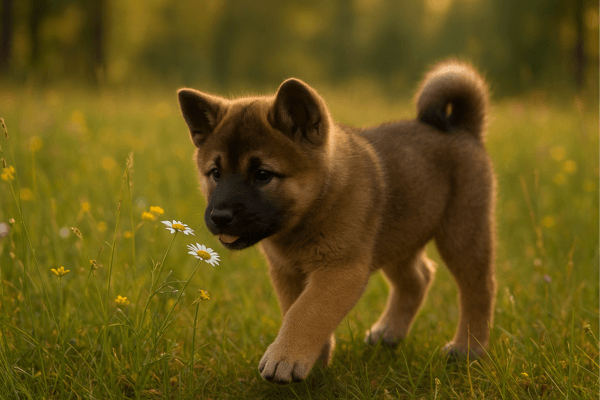
An Akita crossed with a wolf-like breed typically weighs between 65-110 pounds and stands 23-28 inches at the shoulder. You’re looking at a substantial dog with a thick double coat, erect or semi-erect ears, and often those striking pale blue or amber eyes if there’s Husky in the mix.
The coat is dense and built for cold weather. That means serious shedding—twice a year you’ll deal with what I call “fur tornadoes” where clumps of undercoat come out in handfuls. Weekly brushing is the minimum, daily during blowout season. If you’re allergic or can’t stand dog hair on everything you own, this isn’t your dog.
Color-wise, expect anything from black and white to red, gray, or sable patterns. Many of these mixes have facial masks or distinctive markings that enhance that wild appearance people are drawn to.
Here’s where things get complicated. You’re combining the Akita’s guarding instincts and territorial nature with the high energy and independence of northern breeds. The result is a dog that’s loyal to family but potentially reactive to strangers, other dogs, and small animals.
In my experience observing these types of crosses, they’re not beginner dogs. They require an owner who can establish clear leadership without being harsh, provide extensive socialization from puppyhood, and commit to daily mental and physical exercise. We’re talking 1-2 hours minimum of vigorous activity—not just a walk around the block.
These dogs are smart, but they’re not necessarily obedient. They’ll figure out how to open gates, jump fences, and outsmart you at every turn if they’re bored. They need a job—whether that’s nosework, agility, weight pulling, or long hikes in varied terrain. Without an outlet, they’ll create their own entertainment, and you won’t like what they come up with.
With children, the temperament depends heavily on socialization. The Akita side can be protective but also possessive. The Husky or Malamute side is typically more playful but has that prey drive. I wouldn’t recommend this mix for families with young children unless you’re absolutely committed to supervision and training.
If you’re hoping for a dog that naturally wants to please you like a Lab or Golden Retriever, look elsewhere. This mix will test you. Both Akitas and northern breeds were developed to think independently, and that means they’ll question your decisions if they don’t see the point.
Positive reinforcement works best, but you need to be consistent and creative. These dogs get bored with repetitive training. Mix it up—work on scent detection one day, practice recall in distracting environments the next, incorporate puzzle toys and novel challenges regularly.
Socialization starts the moment you bring your puppy home and never really stops. Expose them to different people, dogs, environments, sounds, and surfaces. The Akita tendency is to become more aloof and suspicious as they mature, so you’re fighting against that natural development. Early and ongoing socialization helps, but understand you’re managing instincts, not eliminating them.
I’d strongly recommend working with a trainer who has experience with primitive breeds and independent dogs. Standard obedience class techniques that work great for Goldens or Poodles often fall flat with these types of crosses.
Mixing two breeds doesn’t automatically create a healthier dog—that’s a myth. You can inherit health problems from either parent breed. With an Akita wolf-type mix, you’re looking at potential issues including:
Before purchasing a puppy, insist on seeing health clearances for both parents. Hip scores, elbow scores, thyroid panels, and eye exams should all be documented. If a breeder can’t or won’t provide these, walk away. You’re gambling with thousands in potential vet bills and heartbreak.
Annual veterinary costs for routine care typically run $500-800, but that doesn’t include emergencies or chronic conditions. Large breed dogs are more expensive to treat—medications are dosed by weight, surgeries cost more, and advanced imaging isn’t cheap. Budget accordingly.
Life expectancy for this type of mix is typically 10-13 years, assuming good genetics and proper care. That’s a long commitment with a dog that has significant needs.
Let’s talk about what life with this dog actually looks like day-to-day. You need space—not just a yard, but a securely fenced yard with at least 6-foot fencing. These dogs can jump, climb, and dig. Chain link alone won’t cut it if your dog is determined to escape.
Apartment living is possible but challenging. You’d need to commit to multiple long outings daily plus mental enrichment. If you work long hours and can’t provide midday exercise, this isn’t the right match. A bored, under-exercised Akita mix becomes destructive, anxious, and potentially aggressive.
Climate matters too. That thick double coat is designed for cold weather. These dogs thrive in winter and struggle in heat. If you live in Texas or Arizona, you’re looking at early morning and late evening exercise only during summer months, plus a well-air-conditioned home. Heat stroke is a real risk.
Grooming isn’t optional. Beyond the shedding, you’ll need to trim nails regularly (large dogs wear down concrete quickly), clean ears, and check for skin issues under all that fur. Professional grooming during heavy shed periods can cost $80-150 per session and might be necessary 2-3 times a year.
If you find a puppy from a breeder doing health testing, expect to pay $800-2,000. Anything significantly cheaper is a red flag—you’re likely looking at a backyard breeder or puppy mill situation where health and temperament weren’t priorities.
Adoption is another route. Many of these mixes end up in rescues because people underestimated their needs. Adoption fees typically run $150-400, and you might find an adult dog whose personality is already established. That can actually be an advantage—you know what you’re getting.
Ongoing costs add up quickly. High-quality food for a large, active dog runs $60-100 monthly. Add in routine vet care, preventatives, grooming, training classes, and equipment (sturdy leashes, harnesses, crates that can contain a powerful dog), and you’re easily spending $1,500-3,000 annually before any emergencies or health issues arise.
This mix is for experienced dog owners who genuinely enjoy training and working with challenging, independent dogs. If you’ve successfully owned and trained guardian breeds or northern breeds before, you’ll have a realistic sense of what you’re signing up for.
Ideal owners are active people with time and energy to invest daily. Hikers, runners, people involved in dog sports, or those with large properties where the dog has room to patrol and move. You need patience, consistency, and a thick skin when your dog decides to ignore your recall because there’s something more interesting 100 yards away.
This isn’t a dog for people who want a companion to relax on the couch after a long workday. It’s not for first-time owners who’ve only had biddable, eager-to-please breeds. And it’s definitely not for anyone who expects their dog to be friendly and social with every person and dog they encounter.
If your lifestyle involves frequent travel, long work hours, or a preference for a calm, predictable pet, keep looking. These dogs demand engagement. That can be incredibly rewarding if it matches your lifestyle, but exhausting if it doesn’t.
If you’re drawn to the wolf-like appearance but have doubts about the intensity of this mix, consider these alternatives:
Each of these breeds has its own challenges, but they’re generally more forgiving of owner mistakes than an Akita-based mix with strong guardian and independent traits combined.
The Akita Wolf mix—really an Akita crossed with northern, wolf-like breeds—is a stunning dog that turns heads everywhere. But beauty comes with responsibility. These are powerful, independent animals with complex instincts that don’t always align with modern pet expectations.
I respect these dogs immensely. They’re intelligent, capable, and deeply loyal to their people. But I also see too many end up in rescues because someone fell in love with the look without understanding the reality. They’re not casual pets. They’re working dogs that need jobs, boundaries, and owners who appreciate their nature rather than fighting against it.
If you have the experience, time, space, and genuine enthusiasm for working with a challenging dog, this mix can be incredibly rewarding. You’ll have a devoted companion who’s always ready for the next adventure. Just make sure you’re ready for everything that comes with it—the training challenges, the exercise demands, the management around other animals, and the commitment to understanding what makes these dogs tick. That’s not a burden if it’s what you want, but it’s definitely not for everyone.


