


Field researcher, animal behavior specialist, and Dog lover

Puppies from America’s most trusted breeder network.
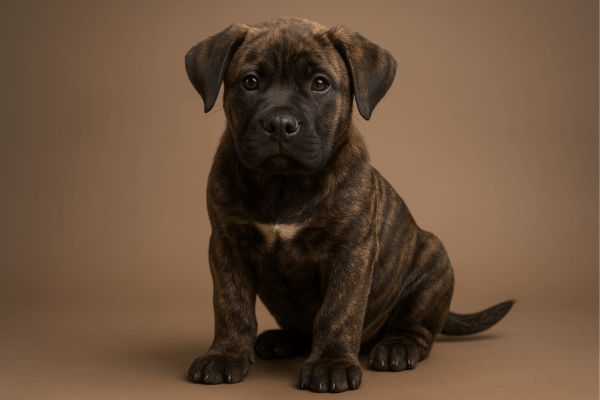
Let me be straight with you—the Cane Corso Akita mix isn’t a dog for everyone. When you combine the ancient Japanese guardian with the Italian mastiff, you get a seriously powerful, loyal, and complex animal that demands an owner who knows what they’re doing. I’ve spent enough time around protective breeds to tell you this: if you’re considering this mix, you need to be honest about your experience level and lifestyle. These dogs can be incredible companions in the right hands, but they’re not forgiving of rookie mistakes.
This hybrid brings together two breeds bred for protection and independence—traits that create both opportunities and challenges. You’re looking at a dog that’ll likely weigh 70-130 pounds, need serious socialization from day one, and require an owner who can provide consistent leadership without being harsh. If that sounds intimidating, good. It should. But if you’re up for the challenge, this mix can offer loyalty and companionship that’s hard to match.
The Cane Corso Akita mix combines two breeds that weren’t exactly bred to be your average family pet. The Cane Corso comes from Italian working lines—these dogs guarded property, herded livestock, and protected their families with serious intensity. The Akita, whether we’re talking Japanese Akita Inu or the larger American Akita, has similar roots as a guardian and hunter in Japan. Both breeds are known for being reserved with strangers, loyal to a fault with their families, and independent thinkers.
What concerns me is when people see “mix” and assume that somehow dilutes the intensity of these traits. It doesn’t. You might get a dog that leans more toward one parent’s temperament, but you should prepare for the most challenging version of this cross. That means a dog with strong protective instincts, moderate to high prey drive, and the physical power to back up their decisions.
In my experience watching working breeds, the dogs that thrive are the ones whose owners channel those natural instincts appropriately. This mix needs a job—whether that’s advanced obedience, nosework, protection sports, or just being your hiking companion with clear boundaries and expectations.
You’re looking at a large, muscular dog that’ll typically range from 70-130 pounds, with height around 24-28 inches at the shoulder. Males usually sit at the heavier end of that spectrum. The massive variation depends on which parent they favor and whether you’re dealing with an American Akita cross (larger) or Japanese Akita Inu cross (somewhat smaller, though still substantial).
The build tends to be powerful and athletic rather than lanky. Expect a broad chest, strong legs, and a head that commands respect. Some will have the Akita’s distinctive curled tail, others might show more of the Corso’s straighter tail carriage. Ears could be the Akita’s small triangular prick ears or something closer to the Corso’s cropped look (though I’m personally against cosmetic cropping).
The coat is typically short to medium length with a dense double layer, which means you’re in for serious shedding twice a year during seasonal changes. Daily brushing isn’t optional during those periods unless you want tumbleweeds of fur decorating your house. Outside of heavy shed seasons, brushing 3-4 times weekly keeps things manageable.
Color-wise, you might see black, gray, brindle, fawn, red, or various combinations. Both parent breeds come in multiple colors, so the possibilities are wide open. Some pups inherit the Akita’s distinctive facial markings or the Corso’s solid coloring with minimal white.

Here’s where I need you to really listen. This mix inherits guardian instincts from both sides of the family tree. That means they’re naturally wary of strangers, territorial about their home and family, and have an independent streak that can look like stubbornness if you don’t understand it. These aren’t Golden Retrievers who love everyone—they’re discerning dogs that form deep bonds with their people and remain skeptical of outsiders.
With proper socialization starting in puppyhood, many of these dogs can be calm and accepting of visitors, especially if introduced properly. But you’re not going to have a dog that wants to be everyone’s best friend at the dog park. In fact, dog parks are often a terrible idea for this mix once they’re mature, particularly males, who may not tolerate other dogs in their space.
The loyalty this mix shows their family is profound. They’re typically gentle and patient with children they’ve grown up with, though I always recommend supervision with any large, powerful breed. What I find impressive is how many Corso and Akita owners describe their dogs as being almost intuitive about family dynamics—knowing when someone’s upset, positioning themselves between their person and perceived threats, reading the room in ways that seem almost uncanny.
That said, their size and strength mean they can accidentally knock over small children during play. Teaching both the dog and kids appropriate interaction is non-negotiable. These dogs also tend to be calmer and more reliable with older children who can follow rules consistently.
You need to understand that protective behavior isn’t the same as aggression, but it requires management. This mix will likely alert bark when someone approaches the property. They’ll position themselves between you and strangers. They might not welcome the delivery driver with wagging tails. None of this makes them “bad dogs”—it makes them exactly what they were bred to be.
The challenge is teaching them appropriate responses. You don’t want a dog that makes decisions about threats without your input. That requires training that builds trust and communication, not dominance-based methods that damage your relationship and can actually increase defensive behavior.
If you’re coming from breed backgrounds like Labs or Golden Retrievers, you need to adjust your expectations. This mix is intelligent and capable of learning complex tasks, but they’re not desperate to please you. They’re thinking dogs that evaluate whether what you’re asking makes sense. That independent streak comes from centuries of breeding dogs that had to make judgment calls while guarding property or hunting dangerous game.
Positive reinforcement absolutely works, but you need to be consistent, fair, and interesting. Repetitive drill-style training bores them. What I’d recommend is incorporating their natural detection abilities—teach them nosework, hide-and-seek games with toys, or tracking exercises. Give their brain something genuinely engaging to work on, and you’ll see much better cooperation.
I cannot stress this enough: extensive socialization must start the day you bring your puppy home and continue throughout their first two years. This means positive exposure to different people, controlled meetings with stable dogs, various environments, sounds, surfaces—everything. But “socialization” doesn’t mean forcing your dog to interact with everyone. It means teaching them that new things exist and aren’t threats.
For guardian breeds, proper socialization teaches them to be neutral and calm around novelty rather than reactive. You’re building confidence and teaching good judgment, not trying to make them social butterflies. Work with a trainer who understands working and guardian breeds—someone who’ll help you build a solid foundation without crushing your dog’s natural protective instincts.
This mix can be stubborn about recall, especially if they’re focused on something they consider important. That prey drive from both parent breeds means squirrels, cats, and small animals are intensely interesting. Off-leash reliability takes serious work and may never be 100% guaranteed in unfenced areas.
Leash manners require early attention because you don’t want a 100-pound dog dragging you down the sidewalk. Start leash training early with proper equipment—I prefer front-clip harnesses for training large, strong dogs. Prong collars and choke chains might seem like quick fixes, but they can increase frustration and reactivity in dogs with protective tendencies.
You’re looking at a minimum of 60-90 minutes of exercise daily, but it needs to be the right kind of exercise. Yes, they need physical outlets, but mental work is equally important. A two-hour walk where they’re just plodding along beside you isn’t as valuable as 45 minutes that includes training, sniffing time, and problem-solving.
What I find works well for dogs with this kind of background is incorporating nosework into daily routines. Hide treats around the yard and let them search. Practice scent discrimination games. Set up simple tracking exercises in safe areas. This taps into their natural detection abilities—both Corsos and Akitas were bred to be aware of their environment and process scent information.
Consider activities that provide both physical and mental challenge:
What I’d skip are activities involving chaotic group play with strange dogs—agility classes with lots of off-leash dogs, dog daycares, busy dog parks. This mix generally does better with structured activities and one-on-one or small group interactions with known, stable dogs.
Let me be blunt: an apartment is a poor choice for this mix unless you’re exceptionally committed and experienced. They need space to move, a secure yard where they can patrol and exercise, and an environment where their alert barking won’t cause neighbor complaints. A house with a solidly fenced yard—and I mean 6-foot fencing that a determined, athletic dog can’t clear or dig under—is really the minimum.
These dogs are naturally territorial, which means they’ll notice and alert to activity around their property. In a dense urban environment with constant foot traffic, delivery people, and neighbor activity, that can translate to chronic barking and stress for both you and the dog. If you’re in a suburban or rural setting with some space and distance from neighbors, you’ll have a much easier time.
Both parent breeds handle cold weather well thanks to their double coats, so winter isn’t usually an issue. Hot weather requires more attention—make sure they have shade, fresh water, and limit intense exercise during peak heat. They’re not as heat-sensitive as brachycephalic breeds, but a 100-pound dog with a thick coat isn’t thriving in the Montana summer sun without proper management.
If you live somewhere with serious heat, plan exercise for early morning and evening, consider cooling mats or vests for outdoor time, and never leave them in vehicles or without adequate shade and water.
You can expect a lifespan of 10-13 years if you’re lucky and diligent about health maintenance. Both parent breeds carry some significant hereditary concerns that can pass to mixed offspring, and responsible breeding (which is rare with this particular cross) would involve health screening for both parents.
Hip and elbow dysplasia top the list for both Cane Corsos and Akitas, so any breeder worth their salt should have OFA (Orthopedic Foundation for Animals) certifications for both parents’ hips and elbows. Beyond that, watch for:
Regular veterinary care is essential, and I’d budget for unexpected medical costs. Pet insurance is worth considering, especially given the size and health predispositions. Preventive care—maintaining healthy weight, appropriate exercise, joint supplements as they age—can extend both lifespan and quality of life significantly.
This concerns me enough to call it out separately. Bloat can kill a dog within hours, and large, deep-chested breeds are at higher risk. Learn the symptoms: restless behavior, unsuccessful attempts to vomit, distended abdomen, excessive drooling. It’s a veterinary emergency requiring immediate surgery.
Prevention strategies include feeding smaller meals multiple times daily rather than one large meal, avoiding exercise immediately before and after eating, using slow-feed bowls to prevent gulping, and considering a preventive gastropexy surgery (stomach tacking) during spay/neuter procedures.
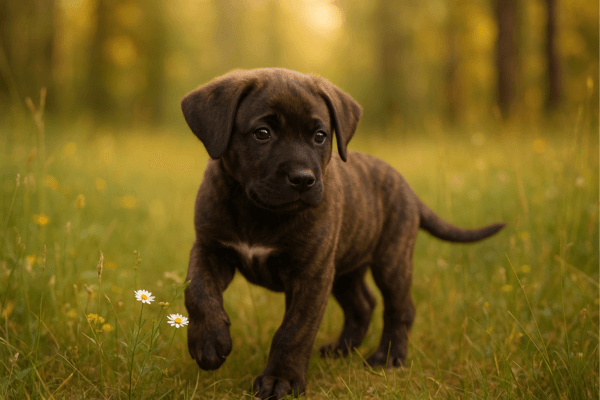
A dog this size and activity level needs quality nutrition designed for large, active breeds. You’re looking at roughly 4-6 cups of high-quality kibble daily, split into two meals, though exact amounts depend on the individual dog’s size, age, and activity level. Expect food costs around $80-120 monthly for premium brands.
What I’d look for in food formulations: appropriate protein levels (around 24-28% for adults), glucosamine and chondroitin for joint support, omega fatty acids for coat and skin health, and controlled calcium/phosphorus ratios appropriate for large breeds. Puppies of large breeds need carefully balanced growth formulas to prevent developmental orthopedic problems—growing too fast is hard on those developing joints.
Avoid free-feeding (leaving food out all day). Set mealtimes help with house training, weight management, and bloat prevention. They also reinforce your role as the provider, which matters more with independent guardian breeds than people sometimes realize.
Here’s the reality: this is a rare and usually unplanned cross. You’re not going to find many breeders deliberately producing this mix with health testing and careful planning. Most Cane Corso Akita mixes come from accidental breedings, backyard breeders focused on producing “rare” or “exotic” dogs without regard for health or temperament, or rescue situations.
If you do find someone breeding this cross intentionally, scrutinize them carefully. Ask about health clearances for both parents—hips, elbows, eyes, thyroid testing at minimum. Meet both parent dogs if possible to assess temperament. Ask about their socialization protocols for puppies. A responsible breeder (rare as they are for this mix) will ask you extensive questions about your experience, living situation, and why you want this particular cross.
You’re more likely to find this mix through rescue organizations, particularly those specializing in Akitas, Mastiffs, or large guardian breeds. These dogs sometimes end up in rescue when owners underestimate their needs or can’t manage their strength and protective instincts. Adoption fees typically run $200-500 and usually include spay/neuter, vaccinations, and basic health screening.
Adopting an adult dog has advantages—you see the actual temperament and size rather than guessing based on puppyhood, and many rescue dogs are incredibly grateful and bond deeply with their new families. The challenge is that some may come with baggage from inadequate socialization or training in previous homes. Work with rescues that conduct thorough behavioral assessments and offer post-adoption support.
Initial purchase or adoption is just the beginning. Budget for:
Overall, expect first-year costs around $3,000-5,000, then $1,500-2,500 annually for ongoing care, not including emergency veterinary visits or unexpected expenses.
This mix is appropriate for experienced dog owners who’ve successfully handled large, independent, or protective breeds before. If your previous experience is with Goldens, Labs, or other eager-to-please sporting breeds, you’re not prepared for what this cross requires. That’s not a judgment—it’s acknowledging that guardian breeds operate differently and require different handling.
You’re a good candidate if you:
Honestly evaluate whether this applies to you: living in an apartment, limited dog experience (especially with large breeds), long work hours leaving the dog alone extensively, very young children without the ability to supervise constantly, multiple other pets (especially cats or small animals), or if you’re looking for a dog to bring to dog parks and socialize freely with strange dogs.
This isn’t about gatekeeping—it’s about preventing situations where dogs end up in shelters because people weren’t realistic about the commitment required. If you’re drawn to this mix’s loyalty and protective nature but concerned about the intensity, consider looking at an Akita Golden Retriever mix instead, which might offer a somewhat softer temperament while still maintaining some of that Akita dignity and loyalty.
If you’re considering this cross, you might also be looking at other guardian or working breed combinations. Understanding how this mix compares helps clarify whether it’s actually the right fit.
The Cane Corso Rottweiler mix tends to be slightly more handler-focused and potentially easier to train, though still requiring experienced ownership. A Cane Corso German Shepherd mix often shows higher energy and drive for work, with potentially stronger prey drive. An Akita Shepherd mix shares the independence and guardian instincts but might be more reactive and require even more careful management around other dogs.
What sets the Cane Corso Akita mix apart is the combination of two intensely loyal, territorial, independent breeds. You’re not getting a moderating influence from a more biddable breed. That creates a dog with exceptional loyalty and courage but also one that requires sophisticated handling and clear boundaries.
The Cane Corso Akita mix is not a dog you choose casually. This is a serious working-breed combination that demands experience, commitment, space, and realistic expectations. In the right hands—someone who appreciates and can appropriately manage guardian instincts, who has time for training and socialization, who understands that loyalty and protection come with responsibility—this mix can be an exceptional companion.
What I respect about both parent breeds, and by extension this mix, is their authenticity. They’re not trying to be something they’re not. They’re protective because that’s what they were bred to be. They’re independent because decision-making was part of their job description. They’re loyal to the point of intensity because guarding meant life-or-death commitment to their people.
If you understand and value those traits, and you’re prepared to invest the time, training, and structure this mix requires, you’ll find a dog with courage, dignity, and devotion that’s hard to match. But if you’re uncertain about your ability to provide what they need, there’s no shame in choosing a more forgiving breed. The goal is always a good match between dog and owner—that’s what creates those lifelong bonds we’re all searching for.


