


Field researcher, animal behavior specialist, and Dog lover

Puppies from America’s most trusted breeder network.
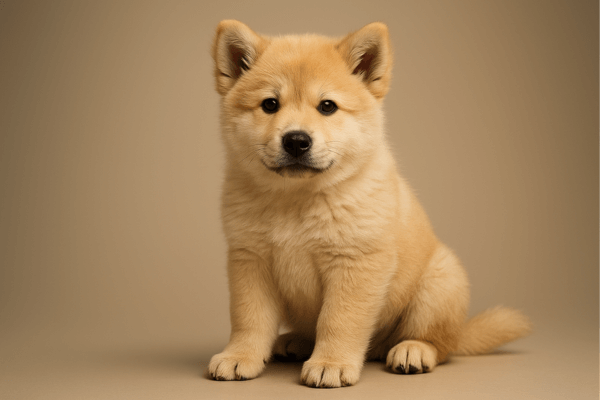
I’ll be straight with you—when someone mentions mixing a Samoyed with an Akita, my first reaction is “that’s going to be one beautiful, stubborn, fluffy challenge.” This isn’t your typical designer dog that shows up at every dog park. The Samoyed Akita mix combines two ancient working breeds with completely different jobs and temperaments, which means you’re getting a dog that’s equal parts velcro companion and independent thinker. If you’re considering this mix, you need to understand what you’re really signing up for—because while these dogs can be absolutely wonderful, they’re definitely not for everyone.
Samoyeds were bred by nomadic reindeer herders in Siberia to pull sleds, herd reindeer, and sleep in tents with families for warmth. That last part is crucial—it created a breed that’s incredibly people-oriented and genuinely needs to be part of the family action. They’re famous for the “Sammy smile,” but what people don’t always realize is that smile comes with a voice. These dogs are chatty, they’ll “talk” to you, and they have opinions about everything.
Samoyeds stand 19-24 inches tall, weigh 35-65 pounds, and live 12-14 years. Their white fluffy coat isn’t just for show—it’s a double-layer insulation system that sheds relentlessly. Temperament-wise, they’re friendly, gentle, and remarkably patient with kids. They’re also smart enough to get bored easily and stubborn enough to ignore you if they don’t see the point of what you’re asking.
Akitas come from Japan where they were bred to hunt bears, boar, and deer, then later became symbols of loyalty and guardians. This is a breed that was designed to think independently, make decisions without human input, and protect their territory. They’re dignified, quiet (compared to Samoyeds), and deeply loyal to their family—but reserved or suspicious with strangers.
Akitas are larger, standing 24-28 inches and weighing 70-130 pounds, with a 10-13 year lifespan. Their temperament is where things get complex. They’re affectionate with their people but can be dog-aggressive, particularly with same-sex dogs. They have strong prey drive, they don’t back down from challenges, and they need an owner who understands dominant breeds. If you’re looking for a dog park regular, an Akita isn’t it.
A Samoyed Akita mix typically lands somewhere between the parent breeds—expect a dog that’s 22-26 inches tall and weighs anywhere from 50-100 pounds. That’s a pretty wide range, and honestly, you won’t know where your pup will land until they’re fully grown. I’ve seen these mixes favor the leaner Samoyed build and others that are absolute tanks like the Akita parent.
Males tend to be significantly larger than females, and if your pup inherits more Akita genetics, you might end up with a dog pushing towards that upper weight range. This matters for everything from food costs to vet bills to whether they can comfortably fit in your vehicle.
Both parent breeds have thick double coats, so your mix will absolutely have one too. You’re looking at a dog that sheds year-round and “blows coat” twice a year—which means for several weeks, you’ll be finding tumbleweeds of fur in every corner of your house. I’m not exaggerating. People who aren’t prepared for this level of shedding often rehome these dogs.
Coat color can vary widely. You might get the classic Samoyed white, or Akita colors like brindle, pinto, or various shades of red, fawn, and white combinations. Some mixes have the Akita’s face mask, others have the Samoyed’s softer expression. What you can count on: brushing will be a daily task during shedding season and at least 3-4 times weekly the rest of the year.
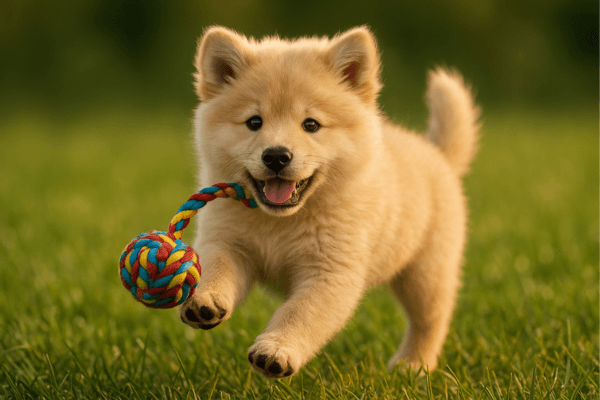
This is where the Samoyed Akita mix gets really interesting and, honestly, somewhat unpredictable. Samoyeds are the “love everyone” type—they’re notoriously bad guard dogs because they’ll probably help a burglar carry out your TV if it means getting attention. Akitas are the opposite: naturally protective, suspicious of strangers, and serious about their guard dog duties.
Your mix could land anywhere on that spectrum. Some lean more Samoyed and are relatively social and outgoing. Others inherit the Akita’s guarding instincts and aloofness with strangers. What concerns me most is when owners expect a friendly Samoyed and get surprised by protective Akita behaviors they’re not prepared to manage. This isn’t a bad thing if you understand it and train accordingly, but it can become a serious problem if ignored.
Both breeds are intelligent—that’s not the issue. The issue is they’re intelligent in that “I understand what you want, I’m just not convinced it’s a good idea” way. Samoyeds were bred to work alongside humans but make their own decisions. Akitas were bred to work independently, often out of sight of handlers. Mix those together and you get a dog that’s smart enough to train but requires you to make training worth their while.
This isn’t a Lab that lives to please you. This is a dog that needs to respect you, see the logic in your requests, and understand there are consistent consequences. If you’ve only ever owned eager-to-please breeds, this will be an adjustment. In my opinion, that’s exactly why these mixes shouldn’t be starter dogs for inexperienced owners.
Don’t let the fluffy appearance fool you—these are working breed mixes that need real jobs to do. Samoyeds were pulling sleds across Siberia, and Akitas were hunting large game through mountains. Neither breed is content being a couch ornament. Your mix will need a minimum of 60-90 minutes of exercise daily, but here’s the thing: a simple walk around the block won’t cut it.
These dogs need varied activity. Hiking, running alongside a bike, pulling activities (they often love this), swimming if they take to it, and especially mental challenges like nosework, puzzle toys, or training sessions. A physically tired dog is manageable; a physically tired dog with a stimulated mind is a happy dog. Miss either component and you’ll deal with destructive behaviors, excessive vocalization, or escape artistry.
What I find particularly important with this mix is giving them a sense of purpose. Both parent breeds were developed to work, and that drive doesn’t disappear just because they’re now family pets. Whether it’s advanced obedience, nosework, or even backpack wearing on hikes to give them a job, these dogs thrive when they feel useful. Without that outlet, their intelligence and energy turn into problem-solving ways to entertain themselves—which you definitely won’t appreciate.
I cannot stress this enough: early, extensive, and ongoing socialization is absolutely critical with a Samoyed Akita mix. The Akita genetics bring potential dog-selectiveness and wariness of strangers. If you don’t actively socialize your puppy to a wide variety of people, dogs, environments, and situations before they’re 16 weeks old, you’re setting yourself up for a dog that’s difficult or dangerous to manage as an adult.
This means puppy classes (even though they’ve got stubborn streaks), regular positive interactions with strangers, controlled introductions to friendly dogs, and exposure to different environments. The goal isn’t to make your dog love everyone—that might not be realistic with Akita genetics—but to teach them that new things aren’t threats and that you’re capable of handling situations.
These mixes respect confident, consistent leadership. They don’t respond well to harsh corrections (which can trigger defensiveness, especially from the Akita side), but they also won’t respect wishy-washy owners who don’t follow through. What works is clear rules, consistent enforcement, and positive reinforcement for behaviors you want.
One practical example: if your dog isn’t allowed on furniture, that rule needs to be enforced 100% of the time by everyone in the household. Let them up once and they’ll test that boundary constantly. These dogs are smart enough to understand rules but also smart enough to exploit inconsistencies. Training isn’t something you do for a few months as a puppy—it’s an ongoing relationship.
This is where potential owners need to be really honest with themselves. The Samoyed side generally gets along well with kids and can tolerate other animals. The Akita side can be problematic with both. Akitas have same-sex aggression tendencies, high prey drive, and can be too rough with small children, even when they don’t mean harm—they’re just big, powerful dogs.
If you have young children, you need to supervise every interaction and teach both the dog and kids appropriate behavior. These dogs can be wonderful with “their” kids, but they need to be raised with them and properly socialized. The sheer size and strength mean even accidental knocks can hurt a toddler. That doesn’t make them bad family dogs—it makes them dogs that require management.
As for other pets, I’d be cautious. Small animals might trigger prey drive, and other dogs—especially same-sex dogs—can be challenging. Some Samoyed Akita mixes do fine with a dog they’ve grown up with, particularly if it’s opposite sex. But bringing another dog into the home later, or expecting them to be social butterflies at the dog park? That’s often not realistic. If you’ve got your heart set on a multi-dog household, seriously consider whether this mix is the right choice, or look into something with more reliably social genetics like an Akita Doberman mix where you’re still getting that guardian instinct but potentially easier dog-dog dynamics.
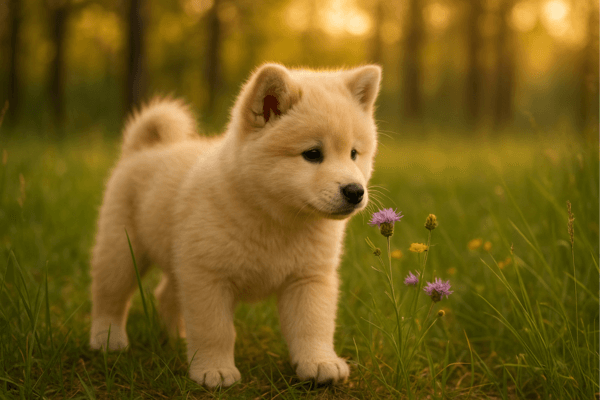
Both Samoyeds and Akitas have their share of genetic health issues, and your mix can inherit problems from either side. Hip dysplasia is common in both breeds—it’s a malformation of the hip joint that causes pain and arthritis. Elbow dysplasia is another joint issue to watch for, particularly given the size and weight these dogs carry.
Samoyeds are prone to progressive retinal atrophy (PRA), which causes gradual vision loss and eventual blindness. They’re also at risk for Samoyed hereditary glomerulopathy, a kidney disease that typically shows up in young dogs. Akitas bring risks of autoimmune conditions like sebaceous adenitis (skin disease) and autoimmune thyroiditis. They’re also susceptible to bloat—a life-threatening condition where the stomach twists.
You’re looking at a 10-13 year lifespan, which is reasonable for a large breed. Maintaining that lifespan means proactive health care: quality food, maintaining appropriate weight (these dogs can get chunky if overfed and under-exercised), regular vet checkups, and screening for breed-specific issues.
Expect annual vet costs of $500-800 for routine care, but budget for the unexpected. Large breed orthopedic surgery can easily run $3,000-6,000. Treating autoimmune conditions requires ongoing medication and monitoring. Pet insurance is worth considering, but read the fine print about hereditary condition coverage. If you’re getting a puppy from a breeder, responsible ones should provide health clearances for parents’ hips, elbows, eyes, and thyroid at minimum.
The double coat situation means grooming is a significant time commitment. During heavy shedding seasons (spring and fall), you’re looking at daily brushing sessions of 20-30 minutes to manage the undercoat coming out. The rest of the year, 3-4 times weekly keeps things under control and prevents matting.
You’ll need the right tools: an undercoat rake to get through to the dense undercoat, a slicker brush for the topcoat, and a good vacuum cleaner for your home. Some owners find that professional grooming every 6-8 weeks during shedding season is worth the cost ($60-100) just to have someone else deal with the fur explosion. Never shave a double-coated breed unless medically necessary—that coat regulates temperature in both heat and cold.
Beyond brushing, you’ve got the usual maintenance: nail trimming every 3-4 weeks, regular ear cleaning (especially if they have more upright Akita-style ears), and dental care. Both parent breeds can be prone to dental issues, so regular brushing or dental chews should be part of your routine.
Finding a responsible breeder of this specific mix is challenging because it’s not a common cross. Most reputable breeders focus on purebred programs, and those creating intentional mixes usually stick to more popular combinations. If you do find someone breeding Samoyed Akita mixes, vet them carefully. Ask about health testing of parents, see where puppies are raised, meet at least the mother, and expect to answer lots of questions about your lifestyle and experience.
Expect to pay $800-2,000 for a puppy from a breeder doing things right. Be immediately suspicious of anyone breeding multiple different mixes, who won’t let you visit, or who can’t provide health clearances. The money you save on a cheap puppy often gets spent tenfold on health and behavioral issues down the road.
Your best bet might actually be rescue organizations, particularly those focused on northern breeds or Akitas. Mixes end up in rescue for various reasons—owner couldn’t handle the energy, shedding was too much, behavioral issues from poor socialization. Adoption fees typically run $200-500 and usually include spay/neuter, vaccinations, and basic health screening.
Rescuing an adult has advantages: you know the actual size, the coat type, and often get insights into temperament. The challenge is you don’t always know the full history or early socialization. If you’re considering rescue, be honest about your experience level and living situation. A good rescue will work to match you appropriately rather than just trying to place the dog anywhere.
The perfect home for a Samoyed Akita mix has an experienced dog owner who understands working breeds and isn’t intimidated by size and strength. You’ve got a house with a securely fenced yard—apartment living really isn’t appropriate for a dog this size with these exercise needs. You’re active and outdoorsy, ready to include your dog in hiking, running, or other activities most days.
You’ve got time for training and socialization, and you understand that this is an ongoing commitment, not just a puppy phase. You’re comfortable being a leader without being harsh, and you’ve got the consistency to maintain rules and boundaries. You don’t need your dog to be everyone’s best friend, but you’re committed to proper socialization so they’re manageable in public.
If you’re a first-time dog owner, I’d strongly encourage you to get experience with easier breeds first. If you live in an apartment or don’t have secure outdoor space, this isn’t your dog. If you work long hours and the dog would be alone most of the day, the destruction and noise complaints will be significant. If you’ve got very young children and limited dog experience, the size and strength create risks you might not be able to manage.
If you want to take your dog to the dog park regularly or have multiple pets already, the potential for dog-selectiveness and prey drive makes this mix problematic. If the thought of daily brushing and constant fur cleanup sounds overwhelming, you’ll be miserable. And if you’re not prepared for a dog that questions your decisions and needs consistent leadership, you’ll end up frustrated and your dog will run the household.
Look, I want to be clear about something: a well-bred, properly socialized, and appropriately trained Samoyed Akita mix can be an absolutely wonderful companion. They’re stunning dogs that turn heads everywhere you go. They’re loyal, intelligent, and capable of being great hiking partners and devoted family members. But they’re also a lot of dog in every sense—size, coat maintenance, exercise needs, and training requirements.
The people who succeed with these mixes are those who go in with eyes wide open, understanding that this is a significant commitment of time, energy, and resources. They’re not trying to fit the dog into their existing lifestyle—they’re ready to adjust their lifestyle around the dog’s needs. If that sounds like you, and you’ve got the experience with working breeds to back it up, this mix might be a great fit. If you’re hoping for an easy, low-maintenance companion, please look elsewhere. Your future self and the dog you don’t adopt will both be better off for it.


