


Field researcher, animal behavior specialist, and Dog lover

Puppies from America’s most trusted breeder network.

I’ll be straight with you—the Doberman Bloodhound mix is one of those combinations that makes you do a double-take. On one hand, you’ve got the Doberman’s sharp intelligence and protective instincts. On the other, there’s the Bloodhound’s legendary nose and surprisingly gentle nature. Throw them together, and you get a dog that’s equal parts guardian and tracker, with a personality that can surprise even experienced handlers. This isn’t a mix you’ll find on every corner, and honestly, that’s probably for the best. These dogs need owners who understand what they’re getting into—because when you combine two working breeds with such distinct drives, you’re not just getting a pet, you’re getting a project.
The Doberman Bloodhound mix sits in this fascinating middle ground between two breeds that were built for completely different jobs. Dobermans were bred in Germany as personal protection dogs—alert, fearless, and fiercely loyal. Bloodhounds, on the other hand, come from medieval Europe as scent hounds designed to track game and later, people. One breed looks at the world with suspicion; the other sticks its nose to the ground and follows every interesting smell for miles.
What impresses me about this combination is how it can produce a dog with both high prey drive and serious tracking ability, combined with the protective instincts of a guardian breed. That’s a powerful toolkit, but it also means you’re dealing with a dog that has strong, sometimes competing, instincts. You might find your pup torn between guarding the perimeter and following a fascinating scent trail into the neighbor’s yard.
These dogs typically stand between 24 to 28 inches at the shoulder and weigh anywhere from 70 to 110 pounds, depending on which parent they favor. They’re substantial animals with the athleticism of the Doberman and often the droopier features—like loose skin and long ears—of the Bloodhound. Every dog is different, but most fall somewhere in that range, and they’re built for endurance and power.
Thanks to the Doberman lineage, this mix often inherits a strong protective instinct. They’re naturally alert and will let you know when something’s off. That’s great if you want a dog that takes home security seriously, but it also means they can be suspicious of strangers and may need careful socialization to avoid becoming overly reactive. In my opinion, this isn’t a dog for someone who wants a goofy, everyone’s-best-friend type of companion.
These dogs bond intensely with their families and can be downright velcro dogs at home. They want to be where you are, and they take their job as your protector seriously—sometimes too seriously. Without proper training, that protectiveness can tip into territoriality or even aggression toward unfamiliar people or dogs.
Now flip the coin, and you’ve got the Bloodhound side—the breed famous for being gentle, patient, and almost comically stubborn when they’re on a scent. Bloodhounds are notoriously independent thinkers, and that trait often comes through in this mix. Your dog might be perfectly obedient one moment, then completely ignore you the next because they’ve caught wind of something interesting three blocks away.
What I find fascinating is how this hound influence can soften the Doberman’s intensity. Many Doberman Bloodhound mixes are surprisingly affectionate and goofy at home, especially once they’ve burned off their energy. They’re often good with kids—patient and tolerant—though their size means supervision is a must with little ones.
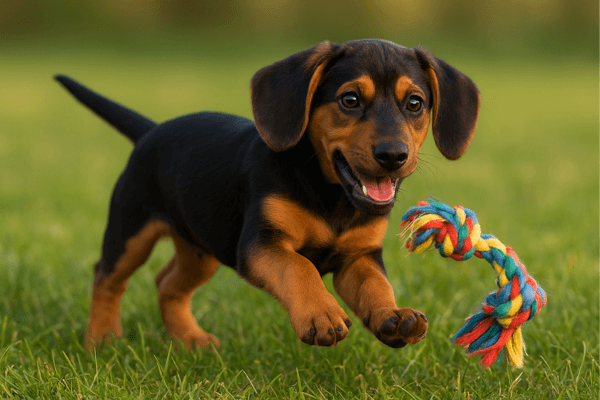
Let me be blunt: this is not a beginner’s dog. Both parent breeds are intelligent, but they express it differently. The Doberman is eager to work and highly trainable when motivated. The Bloodhound is smart too, but they’re bred to problem-solve independently, which translates to “I’ll listen when I feel like it.” Your mix will likely land somewhere in between, and that can be frustrating if you’re not prepared.
I’d recommend starting training early—like, the day you bring your puppy home early. Focus on impulse control and recall from the start, because once that Bloodhound nose kicks in, getting their attention back can feel impossible. Use high-value rewards, keep sessions short, and be patient. Harsh corrections will backfire spectacularly with this mix; they’re sensitive dogs despite their tough exterior.
Socialization is absolutely critical. Expose your pup to different people, dogs, environments, and situations as early as possible. The goal is to build confidence and teach them that new things aren’t threats. Skip this step, and you risk ending up with a dog that’s either overly fearful or overly protective—neither of which is fun to live with.
Here’s where nosework really shines with this mix. Both parent breeds were built to use their noses, so channeling that natural drive into structured scent games or tracking work is incredibly satisfying for them. It’s not just exercise—it’s mental stimulation that actually tires them out. A tired brain really is a happy dog, and with this mix, a good nosework session can do more than an hour-long walk.
If you’re looking for a couch potato, keep looking. The Doberman Bloodhound mix needs a solid 90 minutes to two hours of activity daily, and I’m not talking about a leisurely stroll around the block. They need real exercise—running, hiking, playing fetch, or better yet, tracking and scent work. Without it, they’ll find their own entertainment, and trust me, you won’t like their choices.
What concerns me is how many people underestimate the mental exercise component. Physical exercise is important, but mental stimulation is what really drains these dogs. Puzzle toys, scent trails, obedience training, and even just exploring new environments all help keep their brains engaged. A bored Doberman Bloodhound mix can become destructive, vocal, or develop obsessive behaviors.
These dogs do best in homes with securely fenced yards—and I mean secure. Bloodhounds are escape artists when they’re following a scent, and Dobermans are athletic enough to clear a fence if they’re motivated. If you live in an apartment or don’t have outdoor space, this probably isn’t the right mix for you.
Like most large breeds, the Doberman Bloodhound mix is prone to hip and elbow dysplasie. Both parent breeds carry this risk, so it’s something to screen for if you’re getting a puppy from a breeder. Responsible breeders should provide health clearances for the parents’ hips and elbows at minimum.
Dobermans are also known for heart issues, particularly dilated cardiomyopathy (DCM), which can be inherited. Bloodhounds can suffer from bloat (gastric torsion), a life-threatening condition common in deep-chested breeds. With this mix, you’re potentially looking at both risks, so it’s worth discussing prevention strategies with your vet.
You can expect this mix to live around 10 to 12 years, which is pretty standard for large breeds. Keep them at a healthy weight—obesity is a real problem, especially if they inherit the Bloodhound’s more laid-back attitude as they age. Regular vet checkups, a good diet, and consistent exercise will go a long way in keeping them healthy.
Eye issues like progressive retinal atrophy (PRA) and entropion (eyelid rolling inward) are also worth watching for, especially if the Bloodhound genes are strong. Those droopy eyes might be charming, but they can trap debris and require regular cleaning.
Grooming a Doberman Bloodhound mix is pretty straightforward—they typically have a short to medium-length coat that sheds moderately. Weekly brushing should keep loose hair under control, though you might need to up that during shedding season. They’re not hypoallergenic, so if allergies are a concern, this isn’t your dog.
One thing to pay attention to is those ears, especially if they inherit the Bloodhound’s long, droopy ear leather. Those floppy ears don’t get great airflow, which makes them prone to infections. Check them weekly, clean them as needed, and keep them dry after baths or swimming.
Don’t forget about drool—if your mix leans heavily Bloodhound, you might be dealing with some serious slobber. Keep a towel handy, especially after they drink water. It’s just part of life with a hound-influenced dog.
Day-to-day life with this mix can be incredibly rewarding if you’re the right match. They’re loyal, affectionate, and often surprisingly goofy once they trust you. But they’re also demanding—they need structure, consistency, and a handler who can be both firm and fair. If you’re someone who likes to wing it or doesn’t have time for daily training and exercise, you’ll struggle.
These dogs thrive with experienced owners who understand working breeds. They do best in active households where they’re included in activities—hiking, running, traveling. They’re not the type to be left alone in the backyard all day; they want to be part of the family and will develop behavioral issues if they’re isolated or ignored.
If you have other pets, proceed with caution. Early socialization can help, but the prey drive from both sides can make them unreliable around cats or small animals. With other dogs, it really depends on the individual—some are social, others are more selective or dominant. Proper introductions and ongoing management are key.

This isn’t a common designer mix, so finding a puppy might take some effort. You’re more likely to stumble across one in a shelter or rescue than find a breeder specifically producing them. If you do find a breeder, make sure they’re doing health testing on the parents—hips, elbows, heart, and eyes at minimum. Avoid anyone who can’t provide documentation or who seems more interested in making a sale than placing puppies in the right homes.
Adoption is absolutely worth considering. Mixes like this sometimes end up in breed-specific rescues—both Doberman and Bloodhound rescues occasionally take in mixes. You might also check general large-breed rescues or shelters in your area. The upside of adopting an adult dog is you’ll have a better idea of their temperament and energy level right from the start.
Expect to pay anywhere from $500 to $1,500 if you’re buying from a breeder, though prices can vary widely depending on location and demand. Adoption fees are typically $150 to $400, which often includes initial vetting.
If you’re also considering other Bloodhound mixes, you might want to look into the Great Pyrenees Bloodhound mix, which offers a calmer, more guardian-focused temperament with that same incredible nose.
Here’s the bottom line: the Doberman Bloodhound mix is a fantastic dog for the right person. If you’re active, experienced with dogs, and genuinely excited about training and working with a smart, driven animal, you’ll probably love this mix. They’re capable, loyal, and incredibly rewarding when you put in the effort.
But if you’re looking for an easy, low-maintenance companion, or if this is your first large breed, I’d honestly recommend looking elsewhere. These dogs need consistent leadership, plenty of exercise, and ongoing mental stimulation. They’re not mean or difficult, but they’re intense, and they need an owner who can match that energy and commitment.
In my opinion, this mix ticks all the boxes for someone who wants a versatile working dog with both protection and tracking instincts. But you’ve got to be realistic about what you’re signing up for—and if you are, this dog will give you everything they’ve got.


