

Field researcher, animal behavior specialist, and Dog lover
Puppies from America’s most trusted breeder network.
I’ll be straight with you—the Bloodhound Bernese Mountain Dog mix is one of those uncommon crosses that makes you stop and think. You’re combining a nose-to-the-ground tracking machine with a gentle Swiss giant, and what you get is far from predictable. This isn’t a mix you’ll find at every shelter or from every designer dog breeder, which means information is scattered and often contradictory. Having spent years studying canine behavior and working with scent-driven breeds in Montana’s backcountry, I can tell you this cross brings together two completely different working instincts—and that’s both the beauty and the challenge. If you’re considering this mix, you need to understand what you’re really getting into, because these dogs are large, vocal, and intensely driven in ways that catch a lot of owners off guard.
The Bloodhound isn’t just a dog with a good nose—it has the most powerful scenting ability of any domestic breed. Developed centuries ago for tracking deer and wild boar, these dogs can follow a scent trail days old across miles of terrain. In my experience working with scent detection, Bloodhounds operate on a completely different level than other breeds. They’re hardwired to follow their nose, and when they’re on a trail, the rest of the world ceases to exist.
What people don’t realize is that Bloodhounds are incredibly stubborn. They’re not disobedient—they’re just singularly focused. They weigh between 80-110 pounds, have loose skin that traps scent particles, and those long, droopy ears aren’t just for show—they help funnel scent toward the nose. They’re gentle, affectionate dogs at home, but they drool constantly and their baying howl can carry for miles.
Common health issues include hip dysplasia, bloat (gastric torsion), entropion, ectropion, and ear infections due to those heavy, floppy ears. Their lifespan typically runs 10-12 years.
Bernese Mountain Dogs were bred in the Swiss Alps as versatile farm dogs—pulling carts, herding livestock, and serving as loyal companions. They’re significantly larger than Bloodhounds, with males reaching 80-115 pounds and standing up to 27.5 inches at the shoulder. What I find most striking about Berners is their temperament: they’re calm, affectionate, and surprisingly sensitive for such large dogs.
These dogs thrive on family connection and don’t do well isolated in a backyard. They’re patient with children, generally friendly with strangers after proper introduction, and have moderate energy levels compared to other working breeds. Their thick, tri-colored coat is stunning but sheds heavily year-round and requires consistent grooming.
The unfortunate reality is that Bernese Mountain Dogs have a shorter lifespan than most breeds—typically 7-10 years—and are prone to serious health issues including hip and elbow dysplasia, various cancers (particularly histiocytic sarcoma), bloat, and progressive retinal atrophy.
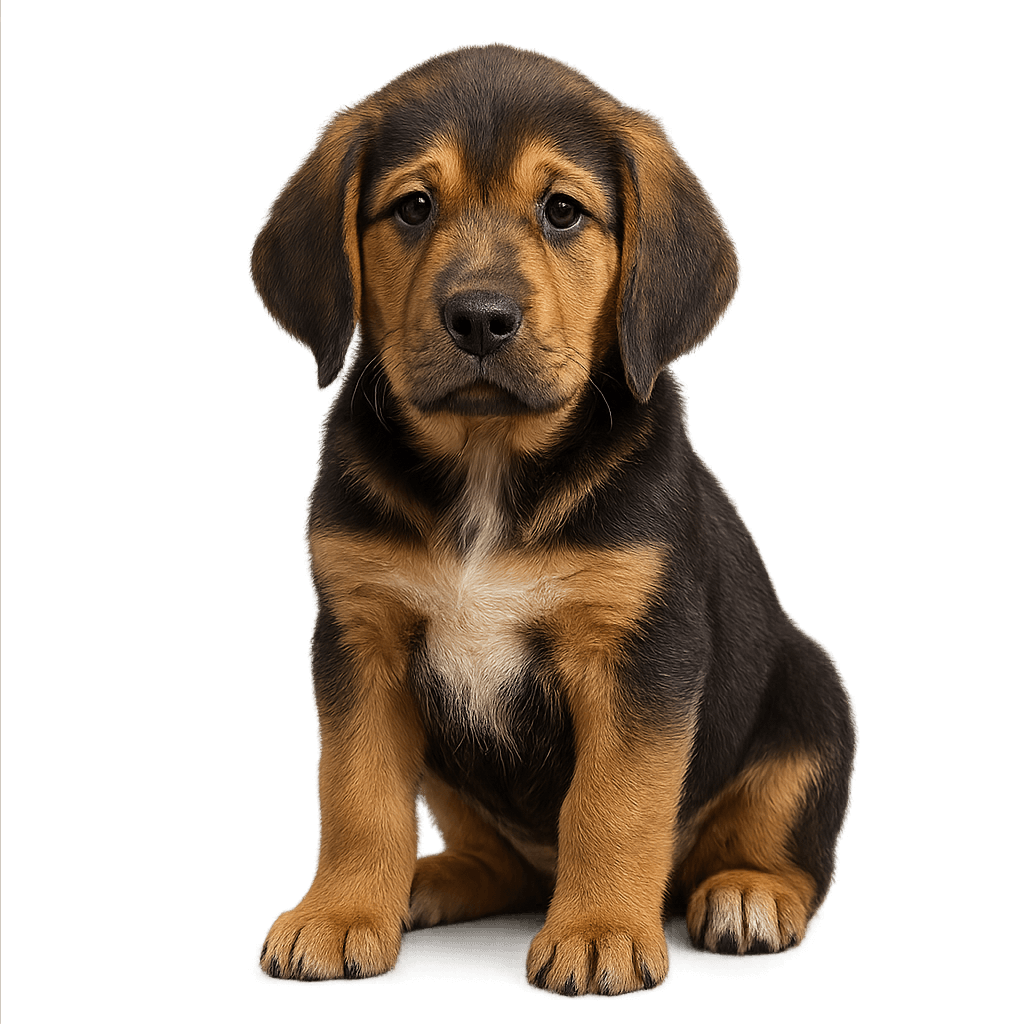
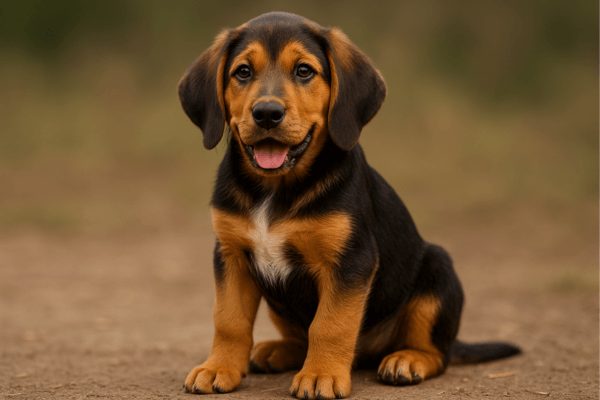
This mix produces genuinely large dogs—expect anywhere from 75-110 pounds when fully grown, with height ranging from 23-27 inches at the shoulder. The exact size depends heavily on which parent’s genetics dominate, but either way, you’re getting a substantial animal that needs space. These aren’t apartment dogs, and anyone who tells you otherwise hasn’t lived with one.
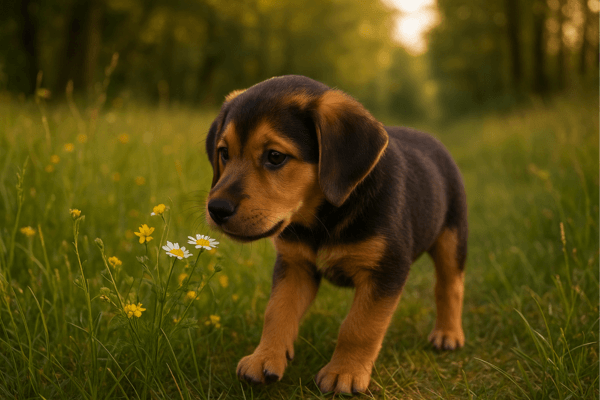
The coat is typically medium to long, dense, and sheds considerably. You might see the Berner’s tri-color pattern, the Bloodhound’s solid colors (black and tan, liver and tan, red), or some combination. That loose Bloodhound skin may appear to varying degrees, particularly around the face and neck. Ears will almost certainly be long and droopy—which means ear care becomes a regular maintenance task.
One thing I’d emphasize: this mix will likely have the Bloodhound’s droopy eyes and jowls to some extent, which means drool. If you’re squeamish about slobber on your furniture, floors, and clothing, think carefully.
This is where things get interesting. You’re combining the Bloodhound’s relentless drive with the Bernese’s gentle nature, and the result varies considerably even within the same litter. Most of these mixes are affectionate, loyal, and surprisingly sensitive despite their size. They typically bond strongly with their families and can be excellent with children when properly socialized.
What concerns me about this cross is the potential for separation anxiety. Both parent breeds are people-oriented and don’t handle isolation well. A Bloodhound Berner mix left alone for long stretches will likely become destructive or vocal—and trust me, when a dog this size gets bored, the damage is significant.
The scenting drive from the Bloodhound side is non-negotiable. These dogs will follow interesting smells, and their recall can be challenging when their nose locks onto something compelling. I’ve worked with enough scent-driven breeds to know that training around distractions requires patience and realistic expectations. You’re not fighting bad behavior—you’re managing hardwired instinct.
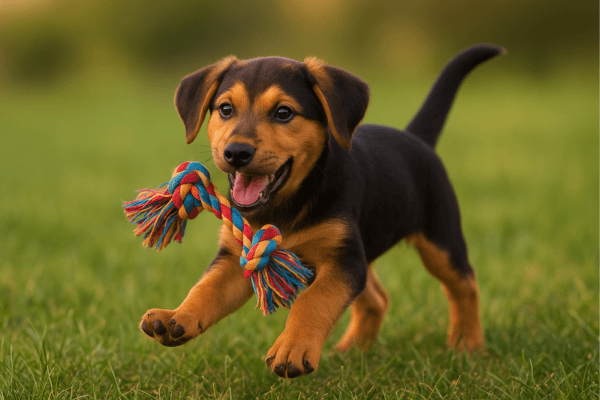
Here’s where I get genuinely excited about this mix. If you’re willing to engage with your dog’s natural scenting abilities, you’ll find one of the most rewarding training experiences available. These dogs are built for nosework, tracking, and scent discrimination. Teaching them to use their nose purposefully doesn’t just tire them out—it satisfies something fundamental in their wiring.
I’d strongly recommend getting involved in tracking, K9 nosework, or even just creating scent games at home. Hide treats around your property, let them track family members, teach them to find specific objects by scent. This isn’t optional enrichment for this mix—it’s essential mental exercise that prevents boredom and behavioral issues.
The Bernese side brings trainability and a desire to please, which helps balance the Bloodhound’s stubbornness. Use positive reinforcement, keep sessions engaging, and accept that perfect obedience isn’t realistic when their nose catches something interesting. If you’re looking for a dog that will perform crisp competition obedience, this probably isn’t your mix. If you want a dog that can track a scent trail through complex terrain while maintaining a working partnership with you, this cross has genuine potential.
Both parent breeds benefit from early, extensive socialization, and the mix is no different. Bernese can be reserved with strangers, and Bloodhounds can be independently minded. Start socialization early—expose your pup to different people, environments, sounds, and surfaces before 16 weeks of age.
What I find helpful with large breed mixes is teaching spatial awareness and polite greetings early. A 90-pound dog that jumps on guests or doesn’t understand its own size creates real problems. Practice calm greetings, teach a solid “settle” command, and work on leash manners before your pup reaches full size and strength.
This mix needs 60-90 minutes of daily exercise, but it’s not about running marathons. Both parent breeds are prone to joint issues, and excessive high-impact exercise (especially before skeletal maturity around 18-24 months) increases injury risk. Focus on varied, moderate exercise: long walks, swimming, gentle hiking, and lots of sniffing time.
Here’s what matters most: these dogs need mental stimulation as much as physical exercise. A two-hour hike where they’re allowed to investigate scents is worth more than five miles of forced jogging on pavement. Let them use their nose—it’s what they’re built for. If you’re the type who wants a dog that runs beside your bicycle for an hour, consider a different breed mix. If you want a companion for exploring trails at a thoughtful pace, this could work well.
Be realistic about weather limitations. The thick coat means these dogs can overheat quickly in summer. Plan exercise for cooler parts of the day, provide plenty of water, and watch for signs of heat stress. In colder months, they’ll be much more comfortable and energetic.
I won’t sugarcoat this—both parent breeds carry significant health concerns, and the mix inherits risk from both sides. Hip and elbow dysplasia are common in both breeds, making orthopedic screening essential for any breeding dogs. Bloat (gastric dilatation-volvulus) is a life-threatening emergency that affects deep-chested breeds, and this mix definitely qualifies.
The Bernese side brings cancer risk, particularly histiocytic sarcoma and other aggressive cancers. This is the heartbreaking reality of the breed—cancer is the leading cause of death in Berners. Whether crossbreeding reduces this risk remains unclear; some evidence suggests hybrid vigor helps, but it’s not guaranteed.
Eye issues like entropion, ectropion, and progressive retinal atrophy appear in both parent breeds. Those droopy eyes and heavy facial skin can trap moisture and debris, leading to infections if not properly maintained.
Realistically, expect a lifespan of 8-10 years, possibly extending to 11-12 with excellent genetics and care. This is shorter than many breeds, and it’s something you need to accept going in. Large and giant breed dogs simply don’t live as long as smaller dogs—their bodies age faster.
Annual veterinary costs for a healthy dog run $500-800 for routine care, but factor in higher costs for this mix. Joint supplements become important as they age ($30-60 monthly), and you’ll want to budget for potential emergency situations like bloat surgery ($2,000-5,000). Pet insurance is worth considering, but read policies carefully—many exclude breed-specific conditions or have limitations on orthopedic coverage.
Plan on brushing 2-3 times weekly, more during seasonal shedding. The coat will mat without regular attention, particularly behind the ears, under the legs, and around the collar area. Invest in a good slicker brush and an undercoat rake—you’ll use them constantly. If you’re bothered by dog hair on furniture and clothing, this mix will challenge you. I’ve found that regular grooming outside reduces the amount of fur floating through your house, but you’ll never eliminate it completely.
Those long, floppy ears need weekly cleaning to prevent infections. Check them after any outdoor activity, especially if your dog has been in water or heavy brush. The loose facial skin and jowls require attention too—wipe them down regularly to prevent bacterial growth and odor. Yes, this means dealing with drool on a daily basis.
Nail trimming should happen every 3-4 weeks. With a dog this size, overgrown nails affect their gait and can lead to joint problems. Dental care matters too—brush their teeth several times weekly or use dental chews regularly. Large breed dogs aren’t immune to dental disease, and treating infected teeth in a 100-pound dog gets expensive quickly.
This mix needs space—both indoors and out. While they’re relatively calm inside compared to high-energy breeds, their sheer size means they take up room. A small apartment isn’t realistic unless you’re extraordinarily committed to providing adequate exercise and mental stimulation elsewhere.
A securely fenced yard is highly recommended. That Bloodhound nose will lead them to investigate every interesting scent, and once they’re on a trail, they can be oblivious to traffic, property boundaries, or your calls to return. Fencing needs to be at least 5 feet tall and checked regularly for dig spots—some individuals inherit a tendency to dig, especially when following underground scent trails from rodents or other animals.
These dogs don’t do well in outdoor-only living situations. Both parent breeds are family-oriented and need regular human interaction. They’re happiest when they can be near their people, whether that’s lounging in the living room while you work or accompanying you on errands. If your lifestyle involves frequent long absences, this mix will struggle.
A dog this size consumes significant food—expect 4-6 cups of quality kibble daily, split into two meals to reduce bloat risk. Never feed one large meal and then allow vigorous exercise. I’ve seen too many emergency bloat cases to be casual about this risk. Feed at consistent times, use a slow-feed bowl if your dog gulps food, and restrict activity for at least an hour after meals.
Choose a large breed formula with appropriate calcium and phosphorus levels, particularly during the growth phase. Overfeeding or providing too many calories during puppyhood increases the risk of developmental orthopedic issues. Your puppy might act hungry all the time—that’s normal for these food-motivated breeds—but follow feeding guidelines and work with your vet to maintain appropriate body condition.
Monthly food costs typically run $80-120 depending on the quality of food you choose. That doesn’t include treats, supplements, or chews. Budget accordingly—this isn’t a breed where you can cut corners on nutrition without consequences.
Finding a responsible breeder for this specific cross is challenging—it’s not a common designer mix. If you locate someone breeding this combination, ask extensive questions about health testing. Both parents should have hip and elbow clearances (OFA or PennHIP), eye exams (CERF), and cardiac screening. The Bernese parent should ideally have genetic testing for von Willebrand’s disease.
Be cautious of anyone producing multiple different designer mixes or who can’t provide documentation of health clearances. Expect to pay $800-1,500 for a puppy from health-tested parents—anything significantly cheaper likely means corners were cut on health screening or care.
Visit the breeding environment if possible. Puppies should be raised in home settings with exposure to normal household stimuli, not isolated in kennel buildings. Meet at least the mother, observe her temperament, and ask about the father’s personality and health history.
Your better option might be checking shelters and breed-specific rescues. Bernese Mountain Dog rescues occasionally take in mixes, as do Bloodhound rescues. Mixed breed dogs in shelters sometimes have uncertain parentage, but if you see the physical characteristics and behaviors that match this cross, don’t dismiss them because they lack papers.
Adult dogs have the advantage of known temperament and size—no surprises about how large they’ll grow or what their personality is like. Many wonderful dogs end up in shelters because their original owners underestimated the commitment required for a large, scent-driven breed. Their loss could be your gain if you’re prepared for the reality.
Similar to the Anatolian Shepherd Bloodhound mix, this cross benefits from owners who understand working breed mentality and can provide structure, space, and purposeful activity.
This mix works well for active individuals or families with previous large breed experience who have adequate space and time. If you enjoy outdoor activities like hiking, camping, or exploring trails, and you appreciate a dog that works independently while remaining connected to you, this could be a great fit. People interested in tracking, nosework, or search and rescue training will find this mix genuinely capable.
You need tolerance for mess—the shedding, drooling, and general “large dog chaos” that comes with breeds this size. If you’re house-proud or bothered by dog smell and hair, this isn’t your mix. You also need patience for training that progresses at its own pace, understanding that scent-driven dogs will sometimes choose their nose over your commands.
This mix is not ideal for first-time dog owners. The size alone creates challenges that require confidence and consistency. The combination of scenting drive, size, and strength means small training mistakes become bigger problems than they would with a 30-pound dog. If you live in an apartment, travel frequently for work, or have limited time for daily exercise and training, choose a different breed.
People wanting a protection dog or guard dog should look elsewhere—while these dogs are alert and may bark at unusual activity, they’re generally too friendly and gentle to be reliable protection animals. Similarly, if you want a dog for competitive obedience or agility, the Bloodhound’s independent nature and the mix’s size make other breeds more suitable.
The most frequent issue owners report is difficulty with recall, particularly in areas with interesting scents. This isn’t defiance—it’s instinct. Your dog isn’t ignoring you; they’re literally following a biological imperative that has been refined over centuries. Training reliable recall requires starting young, using high-value rewards, and accepting that you’ll never have 100% reliability in highly distracting environments.
Vocalization can be significant. Bloodhounds bay, and while the Bernese influence might moderate this, expect a dog that uses its voice. If you have close neighbors or noise restrictions, this matters. Training “quiet” commands helps, but you’re working against genetics.
Separation anxiety appears frequently in this mix. Both parent breeds struggle when left alone for extended periods. Start independence training early—practice short absences, provide engaging puzzle toys, and consider crate training as a safe space. Don’t make departures and arrivals dramatic events. If you work long hours away from home, you’ll need a dog walker or daycare solution.
Counter surfing and food theft are common issues with food-motivated, large dogs. A dog this size can easily reach kitchen counters, and the Bloodhound’s nose will locate any accessible food. Keep food secured, train a solid “leave it” command, and manage the environment rather than expecting perfect behavior around temptation.
The initial purchase or adoption fee is just the beginning. First-year costs typically run $2,000-3,500 including spay/neuter, initial vaccines, supplies, training classes, and food. After that, budget $1,500-2,500 annually for routine care in a healthy dog.
Factor in one-time purchases: a sturdy crate ($150-250), quality leash and harness ($50-100), food and water bowls ($30-60), bedding that fits a large dog ($80-150), grooming tools ($60-100). You’ll also want a reliable vehicle for transporting a dog this size—they don’t fit comfortably in compact cars.
Training costs matter. Group classes run $120-200 for a six-week session, and I’d recommend at least puppy kindergarten and basic obedience. Private training for specific issues costs $75-150 per session. If you’re serious about nosework or tracking, specialized training and equipment add additional expense but provide immense value for this mix.
Emergency veterinary care is the wild card. Bloat surgery runs $2,000-5,000, orthopedic surgery for joint issues $3,000-6,000, and cancer treatment can easily exceed $10,000. Pet insurance ($50-100 monthly for a large breed) provides peace of mind, but read policies carefully regarding coverage limits and breed-specific exclusions.


