

Field researcher, animal behavior specialist, and Dog lover
Puppies from America’s most trusted breeder network.
If you’re considering an Anatolian Shepherd Bloodhound mix, you’re looking at one of the more unusual and challenging crosses out there. This isn’t a designer dog you’ll find advertised everywhere—it’s typically an accidental pairing or a deliberate choice by someone who understands both breeds deeply. What you get is a powerful, independent thinker with an extraordinary nose and a serious work ethic. These dogs aren’t for everyone, but in the right hands, they’re absolutely remarkable.
The Anatolian Shepherd is a livestock guardian breed from Turkey, bred for millennia to protect flocks from predators like wolves and bears. These dogs work independently, often miles from their shepherd, making their own decisions about threats. They’re intelligent, territorial, and naturally suspicious of strangers—traits that kept livestock alive for thousands of years.
What strikes me most about Anatolians is their independent thinking. They’re not looking to you for constant direction like a Border Collie would. They assess situations and act accordingly, which means training them requires respect for their intelligence rather than dominance. They typically stand 27-29 inches tall, weigh 80-150 pounds, and live 11-13 years.
Common health concerns include hip dysplasia, hypothyroidism, and occasional bloat. Their thick double coat needs regular brushing, especially during seasonal sheds. They’re calm indoors but need space and a job to stay mentally healthy.
Bloodhounds are legendary tracking dogs with the most powerful nose in the canine world—up to 300 million scent receptors compared to our measly 5 million. Originally bred in medieval Europe for tracking deer and later people, they can follow scent trails days old across any terrain.
What I find fascinating about Bloodhounds is their singular focus when tracking. Once they’re on a scent, everything else disappears. They’re gentle, affectionate dogs at home—surprisingly docile for their size—but put them on a trail and they transform into relentless working machines. They stand 23-27 inches tall, weigh 80-110 pounds, and typically live 10-12 years.
Health concerns include hip and elbow dysplasia, bloat, ear infections (those long ears trap moisture), and eyelid issues like entropion. They drool—a lot—and need patient training because they’re easily distracted by scents.
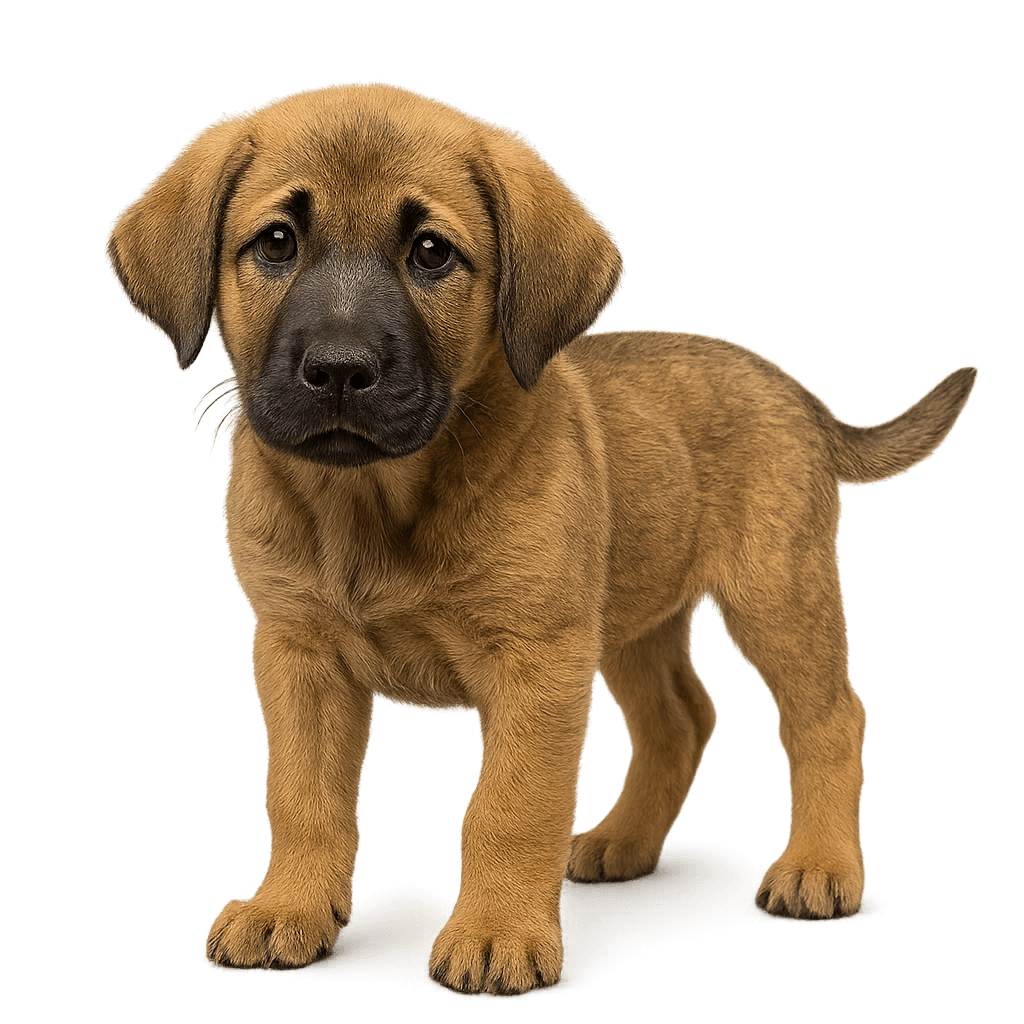
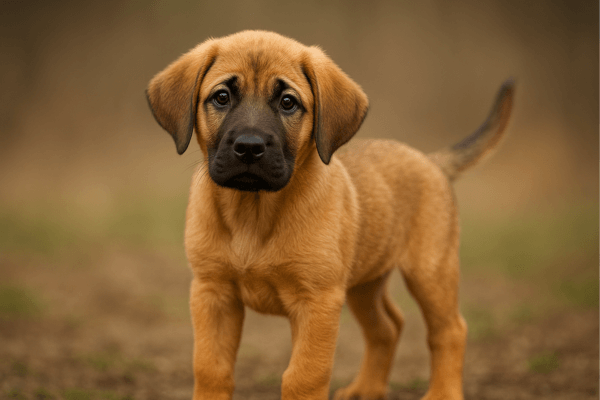
An Anatolian Shepherd Bloodhound mix will be a large to very large dog, typically weighing 80-130 pounds and standing 25-29 inches tall. The exact size depends on which parent they favor, but expect a substantial animal that needs space.
The coat is usually short to medium length with a dense undercoat from the Anatolian side. Colors vary widely—fawn, brindle, black and tan, or solid colors are all possible. You’ll likely see the Bloodhound’s loose skin and droopy ears to some degree, though perhaps less extreme than a purebred. The build tends toward powerful and rangy rather than bulky.
What concerns me is that both parents are prone to bloat, so this mix carries significant risk. Deep-chested large breeds should always be fed multiple smaller meals and rest after eating—this isn’t optional.
This is where things get interesting. You’re combining a territorial guardian with a friendly tracker, and the result can vary significantly between individuals. Most will be more reserved than a purebred Bloodhound but less intensely protective than a purebred Anatolian.
What I’d expect is a dog that’s loyal and affectionate with their family but takes their guardian role seriously. They’ll likely be polite but watchful with strangers rather than immediately friendly. The Bloodhound influence usually softens the Anatolian’s harder edges, making them somewhat more approachable.
The scenting drive will be absolutely powerful. Both parents are nose-driven working breeds, so this mix will live through their nose in a way that can surprise people. If they catch an interesting scent on a walk, good luck redirecting them without proper training.

Training an Anatolian Shepherd Bloodhound mix requires understanding that you’re not working with a dog bred to take orders. Both parents were designed to work independently and make their own decisions. This doesn’t mean they’re untrainable—far from it—but it means traditional obedience approaches often fail.
What works is building a partnership based on respect and making training worthwhile. These dogs are intelligent enough to ask “why should I?” and you need good answers. Harsh corrections will shut them down or create resistance. Positive reinforcement with high-value rewards works, but you’re still negotiating with a thinking partner, not programming a robot.
Early socialization is absolutely critical. The Anatolian’s natural wariness can tip into problematic suspicion without extensive positive experiences with different people, animals, and situations during puppyhood. This isn’t a dog that naturally assumes everyone is friendly—you need to teach them that most strangers are neutral, not threats.
The scenting ability of this mix is both a gift and a management challenge. What I’d recommend is channeling that drive into nosework or tracking activities rather than fighting it. These dogs need to use their noses—it’s as fundamental to their wellbeing as physical exercise.
A tired nose equals a happy dog with this cross. Simple scent games, hide-and-seek with treats or toys, or formal nosework training will satisfy something deep in their DNA. Without this mental stimulation, you’ll likely see frustration behaviors—excessive sniffing on walks, ignoring recalls when they catch a scent, or destructive behavior at home.
If you’re interested in a powerful scenting breed mix with slightly different characteristics, the Belgian Malinois Bloodhound Mix offers more handler focus and drive while still maintaining exceptional nose work abilities.
Despite their size, these dogs don’t necessarily need marathon exercise sessions, but they absolutely need space and mental engagement. The Anatolian side means they’re more about patrolling and monitoring than non-stop activity. The Bloodhound side adds the need for scent-based exploration.
What I’d consider minimum is a securely fenced yard—and I mean secure, with at least a 5-6 foot fence. These are powerful dogs who can clear barriers if motivated by a scent or perceived threat. Daily walks totaling 60-90 minutes work, but they need to be interesting walks where the dog can sniff and explore, not just forced marching.
This isn’t an apartment dog unless you’re exceptionally dedicated. They need room to move and patrol. A suburban or rural setting where they have territory to monitor suits their temperament much better. Asking a livestock guardian mix to live in a tiny space is asking for behavioral problems.
Both parent breeds share several health concerns, which means this mix faces compounded risk in certain areas. Hip and elbow dysplasia are common in both lines, so health testing of parents is essential if you’re getting a puppy from a breeder. OFA or PennHIP evaluations should be available.
Bloat is my biggest concern with this cross. Both deep-chested parent breeds are at elevated risk for gastric dilatation-volvulus (GDV), which is life-threatening and requires emergency surgery. Preventive measures include:
Ear infections are likely given the Bloodhound’s long, heavy ears. Regular cleaning and checking for moisture or odor prevents most problems. Hypothyroidism from the Anatolian side and eye issues like entropion from the Bloodhound are also possibilities worth monitoring.
You can reasonably expect a lifespan of 10-12 years, which is typical for large breeds. Maintaining lean body condition significantly impacts longevity and joint health—these large dogs shouldn’t carry extra weight.
What strikes me about both parent breeds is they’re generally sound, functional dogs bred for work rather than exaggerated features. This mix benefits from that hybrid vigor and practical breeding history. They’re not prone to the extreme health problems you see in some purebreds bred for appearance over function.

Grooming needs are moderate but consistent. The coat typically needs brushing 2-3 times weekly, increasing to daily during seasonal sheds. Both parents blow their undercoats twice yearly, and this mix will too—expect tumbleweeds of fur during spring and fall.
Those Bloodhound ears need regular attention. Check and clean them weekly to prevent moisture buildup and infections. The loose skin may also develop fold dermatitis if not kept clean and dry, especially around the face and neck.
Nail trimming, dental care, and basic hygiene are standard. What’s different with this mix is the drool—if they inherit the Bloodhound’s loose jowls, you’ll be wiping slobber regularly. Keep towels handy around the house.
This mix can be excellent with children they’re raised with, combining the Bloodhound’s gentle nature with the Anatolian’s protective instincts. However, they’re not automatically good with kids—socialization and training matter enormously. Their size alone makes supervision around small children necessary.
What concerns me is the guardian instinct with visiting children. An Anatolian-mix may not understand that roughhousing or loud play is normal, potentially intervening to “protect” their child. Teaching boundaries and supervising interactions prevents problems.
They’re typically gentle and patient, but they’re also independent and not particularly playful compared to retriever types. Families expecting a goofy, always-up-for-fun dog may be disappointed. This is more of a calm, watchful companion who’s affectionate on their own terms.
Compatibility with other pets is highly individual. The Bloodhound influence generally makes them more accepting, but the Anatolian side can be territorial with strange dogs, especially same-sex adults. Early and ongoing socialization helps tremendously.
Small animals are interesting because you’re mixing a livestock guardian (who protects small animals) with a scent hound (who tracks them). The result is unpredictable. Some may have strong prey drive, others may be completely trustworthy. This isn’t a dog I’d trust with cats or small pets without extensive testing and supervision, regardless of what the breeder claims.
This dog is best suited for experienced owners who appreciate working breeds and understand independence isn’t disobedience. If you’ve successfully lived with livestock guardians, hounds, or other thinking breeds, you’ll understand what you’re getting into.
Ideal homes include:
What I wouldn’t recommend this mix for is first-time dog owners, apartment dwellers, or people wanting an off-leash hiking companion. That recall will always compete with whatever scent they’ve found, and their independent nature means they’re not naturally glued to your side like some breeds.
If you want a friendly, biddable dog who aims to please, look elsewhere. If you want an intelligent, capable partner who brings their own opinions to the relationship and has a nose that can track yesterday’s rainfall, this might be your match.
This isn’t a common designer mix, so finding puppies requires patience. Reputable breeders specifically crossing these breeds are rare—most examples are accidental litters or guardian dog programs experimenting with scent work abilities.
Your best bet is often rescue organizations specializing in livestock guardian breeds or hound mixes. Many guardian breeds end up in rescue because people underestimate their needs, and Bloodhound mixes appear regularly in shelters. You’re more likely to find adolescents or adults than puppies.
If you do find a breeder, expect to pay $500-1,200 depending on whether parents are working dogs with health testing. Be extremely wary of anyone breeding these intentionally without a clear purpose—working ability, health testing, or specific traits they’re trying to combine. Random crosses just for novelty are a red flag.
Adult dogs from rescue actually have advantages with this mix. You’ll know their actual size, temperament, and energy level rather than guessing how puppy traits will develop. Given how variable this cross can be, that certainty is valuable.
Initial costs for a puppy or adoption fee range from $100-400 for rescue to $500-1,200 from breeders. First-year expenses including vaccinations, spay/neuter, supplies, and training run $2,000-3,000 for a large breed puppy.
Annual costs thereafter average:
Don’t underestimate the emergency fund. Bloat surgery costs $3,000-5,000. Hip dysplasia treatment ranges from management ($500-1,000 annually) to surgery ($4,000-6,000 per hip). Large breeds have large-breed veterinary bills.
The Anatolian Shepherd Bloodhound mix represents the convergence of two ancient working traditions—guarding and tracking. What you get is a powerful, independent thinker with one of the best noses in the canine world and the calm confidence of a livestock guardian. They’re not for everyone, and honestly, that’s exactly how it should be.
In the right home—experienced owners with space, time, and appreciation for independent working breeds—they’re remarkable dogs. They’ll patrol your property, form deep bonds with their family, and track scents you didn’t know existed. They’re dignified, intelligent, and utterly capable.
But if you want a dog who hangs on your every word, comes reliably when called despite distractions, or fits easily into apartment life, keep looking. This is a specialist’s dog, bred from two lines that spent centuries making their own decisions in challenging work. Respect that heritage, provide the structure and engagement they need, and you’ll have an extraordinary companion. Underestimate their needs, and you’ll both be miserable.


