


Field researcher, animal behavior specialist, and Dog lover
Puppies from America’s most trusted breeder network.

If you’re drawn to the idea of combining a Belgian Malinois’ drive and intelligence with a Bloodhound’s legendary nose and calm demeanor, you’ve stumbled onto one of the more unusual—and honestly, unpredictable—mixes out there. This isn’t your typical designer dog. It’s a blend of two working breeds with completely different job descriptions: one bred for protection and precision, the other for tracking and persistence. What you get is a dog that could be brilliant, stubborn, loyal, and scent-obsessed all at once—or lean heavily toward one parent. There’s no standard here, no guarantees, just a whole lot of potential and a fair amount of responsibility.
I’ll be straight with you: this mix isn’t for beginners. Both parent breeds are specialists, and when you cross them, you’re rolling the dice on which traits dominate. But if you’re experienced, active, and ready to work with a dog that has serious natural abilities, this could be one of the most rewarding partnerships you’ll ever have. Let’s break down what you’re really getting into.
Before we talk about the offspring, let’s get clear on what each parent brings to the table—because that’s where all the magic (and challenges) come from.
The Malinois is a high-octane working dog originally bred for herding, but now famous for military, police, and protection work. These dogs are intense. They’re athletic, driven, and need a job—preferably several. If you’ve ever seen a Mal scale a wall or take down a suspect in a training video, that’s not Hollywood. That’s Tuesday for them. They’re loyal to their handler, wary of strangers, and incredibly responsive to training when done right. But they’re also sensitive, reactive, and prone to neurotic behaviors if under-stimulated or mishandled.
Physically, they’re medium to large—55 to 75 pounds, lean and muscular, with short coats that shed year-round. Lifespan is typically 12 to 14 years. Common health concerns include hip and elbow dysplasia, eye issues, and epilepsy in some lines.
Bloodhounds are scent specialists—arguably the best in the world. With up to 300 million scent receptors (compared to our measly 5 million), they can follow trails days old across miles of terrain. They were bred for tracking game and later humans, and they’re still used in search and rescue today. Unlike the Malinois, Bloodhounds are gentle, patient, and a bit stubborn. They’re not aggressive, but they are single-minded when they catch a scent. Good luck redirecting them.
They’re larger—80 to 110 pounds—with loose skin, long ears, and droopy eyes that require regular cleaning. Their lifespan is shorter, around 10 to 12 years. Health-wise, they’re prone to bloat (a life-threatening emergency), hip dysplasia, ear infections, and eyelid issues like ectropion and entropion.
So what happens when you cross a driven, high-energy protection dog with a calm, scent-obsessed tracker? Honestly, it varies—a lot. But here’s what I’d expect based on the parent breeds.
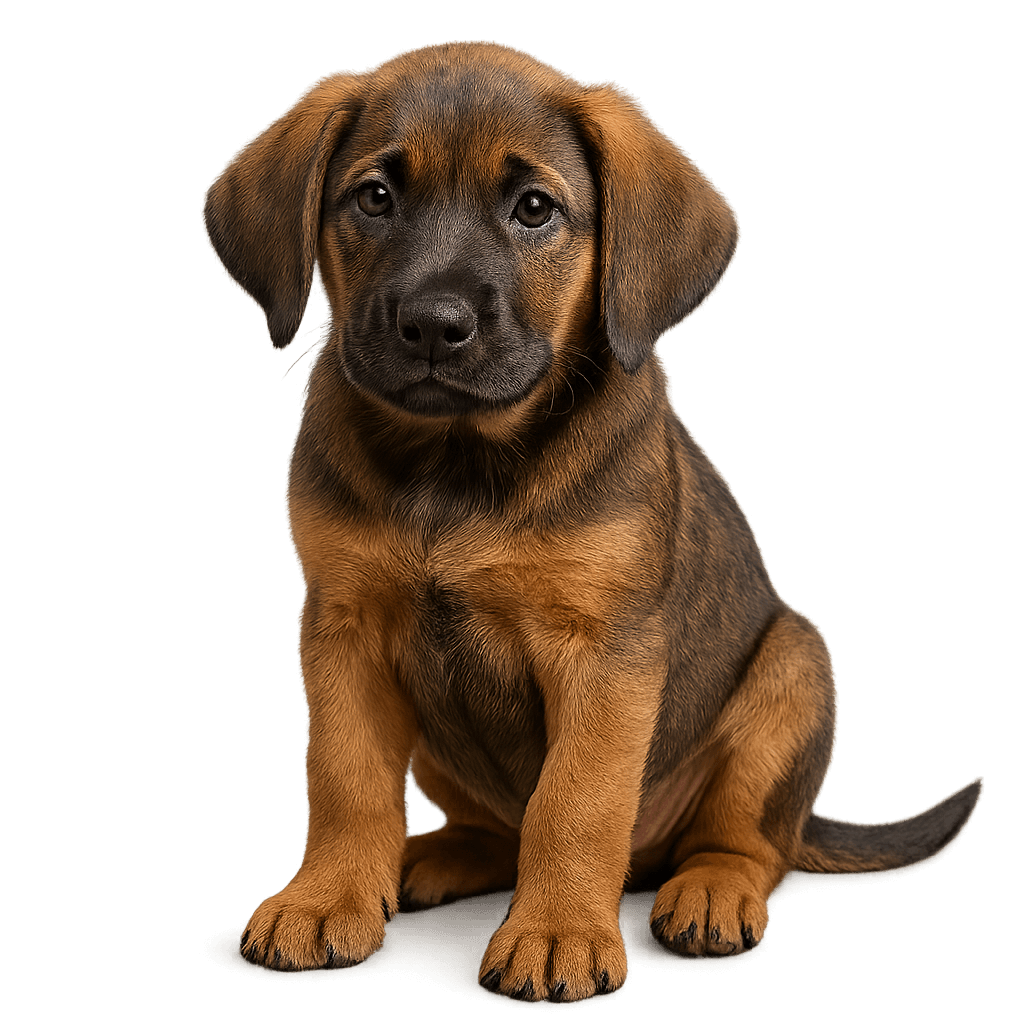
You’re looking at a large dog, likely 65 to 95 pounds, standing 23 to 27 inches at the shoulder. Build will depend on which parent they favor—Malinois pups will be leaner and more athletic, Bloodhound-leaning pups stockier with looser skin. Either way, this isn’t a dog for small spaces.
The coat will probably be short to medium length, dense, and shed consistently. Malinois shed constantly; Bloodhounds are a bit better but still not low-maintenance. Expect to brush 2 to 3 times a week, daily during seasonal blowouts. If your pup inherits the Bloodhound’s loose skin and long ears, you’ll need to clean those ears weekly to prevent infections—this is non-negotiable. Drool is also a real possibility. If that Bloodhound jowl shows up, invest in towels.
This is where things get interesting. The Malinois side will push for intense, structured activity—running, training, agility, bite work, you name it. The Bloodhound side will want long, exploratory sniff sessions where they follow their nose at their own pace. What you’ll likely get is a dog that needs 60 to 90 minutes of activity daily, combining both physical exercise and scent work. A tired Malinois Bloodhound mix is a good one. An under-stimulated one will invent their own entertainment, and you won’t like it.

Temperament in any mix is unpredictable, but with these two parents, the range is especially wide.
Both breeds are deeply loyal, so expect a dog that bonds tightly with their family. The Malinois brings a protective, alert edge—they’ll notice everything and might be suspicious of strangers. The Bloodhound is generally friendly and non-aggressive, but not a guard dog. Your mix could land anywhere on that spectrum. Early socialization is critical to prevent fear-based reactivity or over-protectiveness.
Malinois are handler-focused and thrive on teamwork. Bloodhounds are… not. They’re affectionate but independent, especially when tracking. If your pup leans Bloodhound, expect a dog that listens selectively, especially outdoors. If they catch a scent, good luck recalling them without serious training.
This depends heavily on the individual dog. A well-socialized mix can be great with kids—patient like a Bloodhound, playful like a Malinois. But the Mal side can be too intense for young children, and the hound side can be clumsy and knocking over toddlers with that big body. Supervision is a must. With other dogs, the Malinois can be reactive or dominant, while Bloodhounds are generally more easygoing. Early, consistent socialization is your best bet.
Training a Belgian Malinois Bloodhound mix is not casual weekend stuff. Both parents are smart, but they’re smart in different ways, and you’ll need to adapt.
From 8 weeks on, this dog needs structure, boundaries, and positive reinforcement. Malinois are sensitive and can shut down or become defensive with harsh corrections. Bloodhounds are stubborn and won’t respond well to force either. Use high-value rewards, keep sessions short and engaging, and be patient. If you’ve never trained a driven or independent breed before, hire a professional. Seriously.
This is where the mix shines. Both parents are naturals at nosework, and it’s one of the best ways to tire out their brains. Teach them to find hidden treats, track scents, or even do formal nosework or tracking trials. This taps into their genetics and gives them a job. A dog with a job is a happy, well-behaved dog. A bored one is a disaster.
If your dog leans Bloodhound, recall off-leash is going to be tough. That nose overrides everything. Train it religiously, use a long line in the early stages, and accept that in high-distraction environments, you may never have 100% reliability. That’s just the reality with scent hounds.
Unfortunately, both parent breeds carry some significant health risks, and your mix could inherit any of them.
Common in both breeds. Reputable breeders should have OFA or PennHIP clearances on both parents. Ask to see them. If they don’t have them, walk away.
Bloodhounds are especially prone to this life-threatening emergency where the stomach twists. Deep-chested dogs are at higher risk. Feed multiple small meals, avoid exercise right after eating, and learn the symptoms. This is not something to mess around with.
Bloodhounds are prone to entropion (eyelids rolling inward) and chronic ear infections due to those long, floppy ears. Keep ears clean and dry, and watch for redness, odor, or head shaking.
Seen in Malinois lines. If your dog has a seizure, get them to a vet immediately.
Expect a lifespan of 10 to 13 years with good care, proper diet, and regular vet checkups.
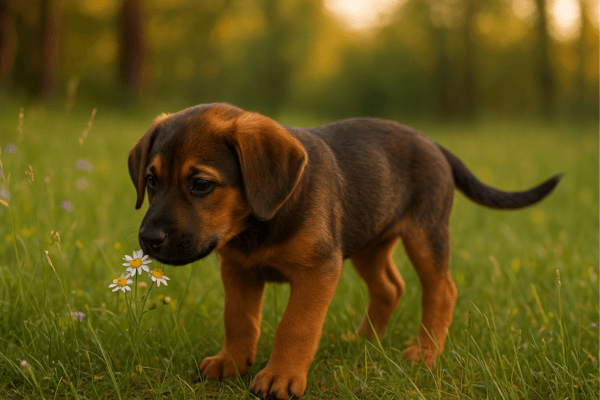
Let’s get practical. What’s it actually like to share your life with a Belgian Malinois Bloodhound mix?
Plan for at least an hour of activity daily, split between physical exercise (running, hiking, fetch) and mental work (training, scent games, puzzle toys). This isn’t a dog that will be satisfied with a walk around the block. If you’re not active, this mix will make your life difficult.
Apartments are a hard no. This dog needs room to move—a house with a securely fenced yard is ideal. Bloodhounds are notorious escape artists when they catch a scent, and Malinois are athletic enough to clear a 6-foot fence if motivated. Make sure your yard is secure.
Weekly brushing, regular ear cleaning (especially if they have Bloodhound ears), nail trims every few weeks, and dental care. Budget $500 to $800 annually for routine vet care, more if health issues pop up. Food costs for a dog this size run $600 to $1,200 a year depending on quality.
Expose your pup to different people, dogs, environments, and situations early and often. This is especially important with the Malinois side, which can become reactive or overly protective without proper socialization. Puppy classes, controlled playdates, and positive experiences in public are all part of the deal.
Let me be blunt: this isn’t a dog for most people.
This mix is rare. You won’t find breeders specializing in it the way you would with, say, a Labradoodle. Most are accidental or intentional crosses by working dog breeders or individuals. That makes finding a healthy, well-bred pup a challenge.
Expect to pay $800 to $1,500 for a pup from a responsible breeder. Anything significantly cheaper is a red flag.
You might find this mix in shelters or breed-specific rescues for Malinois or Bloodhounds. Adult dogs can be a great option if you’re experienced—you’ll know more about their temperament and energy level upfront. Adoption fees typically range from $100 to $400.
If you’re considering this mix, you might also want to look at these alternatives:
Look, I respect what both these breeds bring to the table. The Malinois is one of the most capable working dogs on the planet, and the Bloodhound’s nose is unmatched. But crossing them? You’re creating a dog with intense needs and unpredictable traits. If you get a pup that leans heavily Malinois, you’ve got a high-drive, sensitive dog that needs constant engagement. If they lean Bloodhound, you’ve got a stubborn, scent-obsessed hound that will test your patience. And if they’re somewhere in the middle, you’ve got both challenges at once.
That said, if you’re experienced, active, and genuinely interested in working with your dog’s natural instincts—especially scent work—this mix can be incredibly rewarding. They’re smart, capable, and loyal. But they’re not a dog you can half-ass. If you’re not ready to commit to training, exercise, and mental stimulation every single day, don’t get this mix. There are easier dogs out there.
But if you are ready? You’ll have a partner that’s second to none in the field, at home, and on the trail. Just make sure you know what you’re signing up for.


