


Field researcher, animal behavior specialist, and Dog lover
Puppies from America’s most trusted breeder network.
If you’re considering a Greyhound Bloodhound mix, you’re looking at one of the most intriguing—and honestly, unusual—crosses out there. I’ve spent years studying canine behavior and working with scent-driven breeds, and this combination genuinely fascinates me. You’ve got the Greyhound’s sleek speed machine genetics colliding with the Bloodhound’s relentless tracking nose. It’s like pairing a Formula One car with a detective—sounds odd on paper, but in the right home, this mix can be absolutely brilliant. That said, this isn’t a cross you’ll find at every shelter or from reputable breeders easily, and there’s a reason for that. Let me walk you through what you’re actually getting into.
The Greyhound is pure athleticism wrapped in fur. Originally bred for coursing game, these dogs can hit speeds of 40-45 mph, making them the fastest dog breed on the planet. But here’s what surprises most people—off the track or field, they’re absolute couch potatoes. A Greyhound is perfectly content napping 18 hours a day after a good sprint. They’re gentle, quiet, and typically excellent with families, though their high prey drive means small animals can trigger that chase instinct instantly.
Greyhounds stand around 27-30 inches tall and weigh 60-70 pounds. They have minimal body fat, short coats, and are notorious for being sensitive to cold. Health-wise, they’re relatively robust but can be prone to bloat, heart issues, and certain cancers. Their lifespan averages 10-13 years.
Bloodhounds are the opposite end of the spectrum in many ways. These dogs were bred for one thing: following a scent trail to the ends of the earth. With over 300 million scent receptors (compared to our measly 5 million), a Bloodhound can track a scent trail days old across miles of terrain. They’re stubborn, determined, and when they’re on a trail, good luck getting their attention.
These are large, heavy dogs—23-27 inches tall, weighing 80-110 pounds. They’ve got those characteristic droopy ears, loose skin, and sad-looking eyes that make them instantly recognizable. Bloodhounds are generally affectionate and patient, especially with kids, but they drool constantly and their stamina is moderate compared to other working breeds. Health concerns include hip dysplasia, bloat, ear infections, and eyelid issues. They typically live 10-12 years.
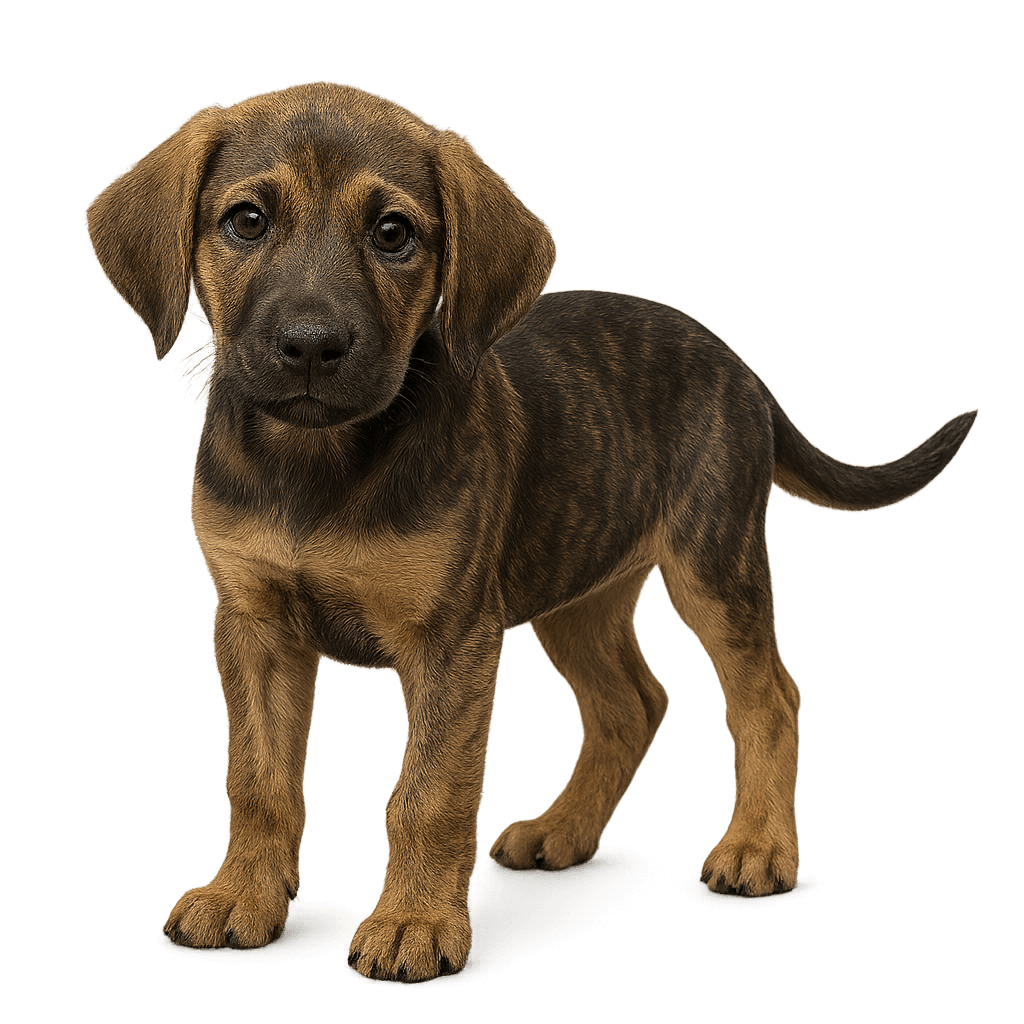
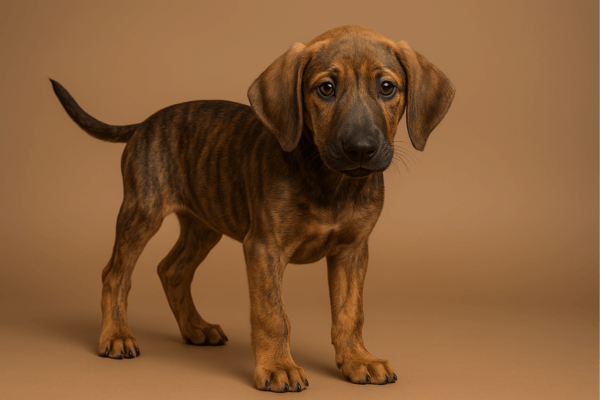
This mix is going to be a large dog, no question about it. Expect anywhere from 60-90 pounds and 24-28 inches tall, depending on which parent they favor. The build can vary wildly—some pups might inherit the Greyhound’s lean, muscular frame, while others get the Bloodhound’s heavier bone structure and loose skin. You might see a dog with a deeper chest than a typical Bloodhound but stockier than a purebred Greyhound.
The coat will likely be short to medium-length and fairly easy to maintain. Colors can range widely: black, tan, brindle, red, white, or any combination. Some might have the Bloodhound’s wrinkles around the face, others might have tighter skin. Ears could be anywhere from the Greyhound’s small folded ears to the Bloodhound’s long, pendulous ones.
This is where things get really interesting. You’re combining the Greyhound’s calm, gentle nature with the Bloodhound’s stubborn, scent-obsessed personality. In my experience working with scent-driven breeds, when a dog gets a whiff of something interesting, everything else ceases to exist. With Bloodhound genetics in the mix, that trait is going to be strong.
What I find particularly compelling about this cross is the potential for a dog that’s both athletic and thoughtful. The Greyhound influence might tone down some of the Bloodhound’s vocal tendencies (they’re known for baying), while the Bloodhound genetics could add more independent problem-solving to the Greyhound’s typically more biddable nature. You’ll probably have a dog that’s affectionate with family but somewhat aloof with strangers—not aggressive, just not immediately welcoming like a Labrador would be.
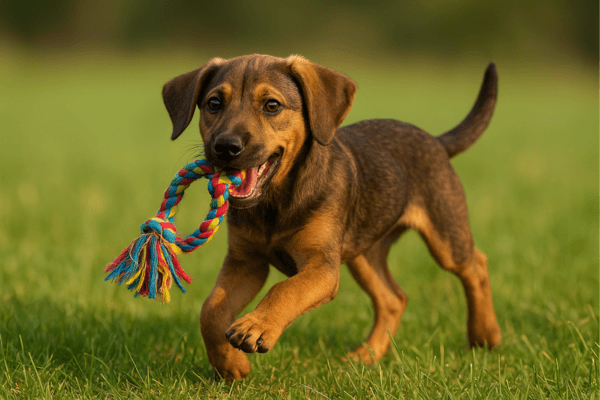
Here’s where you need to be realistic about what you’re signing up for. This mix will need 60-90 minutes of exercise daily, but it’s not as straightforward as with other breeds. The Greyhound side wants explosive sprints followed by long naps. The Bloodhound side wants long, meandering walks where they can sniff absolutely everything.
I’d recommend a combination approach: a good sprint session in a safely enclosed area a few times a week, plus daily walks where you let your dog use their nose. Nosework is absolutely essential for this mix—it’s not optional. A Greyhound Bloodhound cross that doesn’t get proper mental stimulation through scent work will find their own jobs, and you won’t like what they choose. That might mean tracking the neighborhood cats, excavating your yard to follow underground critter trails, or baying at every scent that drifts past your window.
Fair warning: off-leash reliability is going to be a challenge. The Greyhound prey drive combined with the Bloodhound’s tendency to follow their nose means this dog can disappear over the horizon before you’ve finished calling their name. Invest in a long line for training and find a securely fenced area for free running.
Let’s be honest—this isn’t going to be your easiest training experience. Greyhounds are sensitive and respond well to positive reinforcement, but they’re also independent thinkers bred to make split-second decisions while running. Bloodhounds are intelligent but famously stubborn, with a one-track mind when they’re scenting. Combine those traits and you’ve got a dog that’s smart enough to learn quickly but not always motivated to comply.
Traditional obedience training might feel frustrating with this mix. What works better, in my opinion, is engaging their natural drives. Scent work, tracking training, and games that let them problem-solve will get you much further than repetitive heel and sit-stay drills. That doesn’t mean skip basic obedience—you absolutely need a solid recall (even if it’s imperfect), loose-leash walking, and impulse control. But expect to work harder for it than you would with a German Shepherd or Golden Retriever.
Early socialization is crucial for any dog, but with this mix, you need to focus on specific scenarios. Get your puppy comfortable with other dogs early—Greyhounds can be selective about canine friends, and proper early exposure helps. Expose them to various animals, but recognize that small prey animals may never be safe around this dog due to the Greyhound’s instincts.
Work on separation tolerance from the start. Both parent breeds can be velcro dogs in their own ways, and you don’t want a 75-pound hound with separation anxiety destroying your home. Practice crate training, alone time in short increments, and create positive associations with your departures.
With any mixed breed, you’re rolling the genetic dice on what health issues might crop up. This cross could inherit problems from either side, so let’s break down what to watch for:
The expected lifespan is around 10-12 years, which is pretty standard for large breeds. Keep your dog at a healthy weight—this is especially important for the joints and heart. Both parent breeds can be prone to obesity if overfed and under-exercised, though Greyhounds tend to stay naturally lean.
Something to consider: Greyhounds have unique anesthesia sensitivities due to their low body fat and specific metabolism. If your mix leans heavily toward the Greyhound build, make sure any vet performing surgery is aware and experienced with sighthounds.
Here’s some good news—the grooming requirements are relatively manageable. You’re looking at a short to medium coat that sheds moderately year-round with heavier seasonal sheds. A weekly brushing with a rubber curry brush or hound glove will keep things under control and help distribute skin oils. During shedding season, bump that up to a few times a week.
Bathing can be done as needed, probably every 6-8 weeks unless your dog discovers something delightfully disgusting to roll in (and with that Bloodhound nose, they will find all the best stinky things). Use a gentle dog shampoo—if they inherited the Greyhound’s sensitive skin, harsh products can cause irritation.
The ears need weekly attention, especially if they’re on the longer, floppier side. Check for redness, odor, or discharge, and clean with a vet-approved ear cleaner. Nail trimming every 3-4 weeks is necessary—these aren’t typically dogs that naturally wear down their nails through activity. And yes, dental care matters. Brush those teeth a few times a week minimum to prevent periodontal disease.
One thing people don’t often consider: drooling potential. If your mix gets the Bloodhound’s facial structure with loose jowls, you’re going to have drool strings. Keep towels handy and consider it part of the package. The Greyhound genetics might minimize this, but don’t count on it.
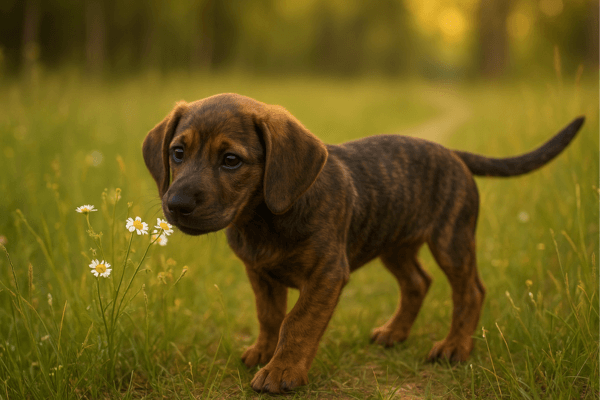
Let’s talk honestly about what environment this dog needs to thrive. An apartment? Technically possible, but I wouldn’t recommend it unless you’re prepared for multiple long outings daily and access to areas where your dog can really stretch their legs. This mix does best in a home with a securely fenced yard—and I mean truly secure. A four-foot fence isn’t going to cut it if the Greyhound athleticism shines through. Six feet minimum, and check for gaps at ground level because Bloodhounds can be surprisingly determined diggers when they catch a scent trail.
The fence needs to be solid or have narrow gaps—chain link works, but visibility through it can trigger prey drive when your dog spots movement outside. Some Greyhounds are fence jumpers when motivated, so height really matters here. Underground electric fences are absolutely not appropriate for this mix—the prey drive and scent drive can easily override any shock correction, and then you’ve got a dog running loose in a panic.
Climate considerations matter too. Greyhounds are notoriously cold-sensitive with their thin coats and minimal body fat. If you live somewhere with harsh winters, invest in quality dog coats and limit outdoor time in extreme cold. The Bloodhound influence might add some cold tolerance, but don’t assume your mix will be fine in freezing temperatures.
Large, active dogs need quality fuel. Expect to feed 3-4 cups of high-quality dry food daily, split into two meals to reduce bloat risk. I’m a big believer in protein-rich foods for active dogs—look for formulas where real meat is the first ingredient, with a good balance of fats for energy and joint health.
Because both parent breeds can be prone to bloat, meal timing matters. Don’t feed immediately before or after vigorous exercise. Some people use slow-feeder bowls to prevent gulping, which can reduce air intake during eating. Monitor your dog’s body condition—you should be able to feel their ribs easily without seeing them prominently. Greyhounds naturally have a lean build where you can see some rib outline, so don’t overfeed trying to “fatten up” what might be perfectly healthy weight.
Budget-wise, you’re looking at roughly $60-90 monthly for quality dog food, depending on your dog’s size and activity level. Add treats for training, supplements if recommended by your vet (glucosamine for joint health is common in large breeds), and you might hit $100-120 monthly.
Let’s break down what you’re actually going to spend. The initial purchase or adoption fee can vary wildly. If you find a Greyhound Bloodhound mix puppy from a breeder (which is rare—this isn’t a popular designer cross), you might pay $500-1,200. More likely, you’ll encounter this mix through rescue situations or accidental litters, where adoption fees typically run $150-400.
First-year costs are always higher. Beyond the adoption fee, you’re looking at:
After the first year, expect annual costs around $1,200-2,000 for routine care, food, and preventatives. Emergency vet visits, treatments for health issues, or specialized training can add significantly to that. Large breeds also cost more for boarding, grooming services, and medications—dosages are calculated by weight, so you’ll pay more than someone with a Beagle.
Here’s the reality—you’re not going to find many dedicated breeders producing this cross intentionally. It’s not a popular designer mix like a Labradoodle or Goldendoodle. Most Greyhound Bloodhound mixes happen accidentally or occasionally through people breeding “hunting dogs” without much thought to genetics or health testing.
Your best bet is monitoring rescue organizations and shelters. Check Greyhound-specific rescues (there are many, especially for retired racing Greyhounds) and Bloodhound rescues. Sometimes mixes end up in their care. General large-breed rescues and hound rescues are also worth watching. If you’re considering a Bloodhound Bluetick mix or similar hound combinations, you’ll find these rescues often have various hound crosses available.
If you do find a breeder, vet them carefully. Ask about health testing—at minimum, you want hip evaluations on both parents, cardiac screening for the Greyhound parent, and eye exams. A responsible breeder should be asking you as many questions as you’re asking them, ensuring their puppies go to appropriate homes. Be very wary of anyone breeding multiple “designer” crosses or who can’t provide health clearances.
After working with tracking dogs and understanding sighthound mentality, I can tell you this mix isn’t for everyone—and that’s okay. This dog is best suited for experienced dog owners who understand and appreciate hound mentality. If you’re the type who wants a dog that hangs on your every word and lives to please you, look elsewhere. Hounds march to their own drummer, and this mix will definitely have that independent streak.
You need to genuinely enjoy scent work and letting your dog be a dog. If your idea of a perfect outing is a brisk walk on sidewalks where your dog heels perfectly the entire time, this isn’t your match. But if you’re excited about watching your dog problem-solve, follow scent trails, and engage their natural abilities, this mix could be incredibly rewarding.
Consider your lifestyle honestly. Do you have time for daily exercise that meets both sprint needs and mental stimulation through scenting? Can you handle a dog that might be vocal, especially if they inherit the Bloodhound’s baying? Are you prepared for potential prey drive issues—meaning cats, rabbits, and possibly small dogs might never be safe housemates? If you’ve got small kids, how do you feel about a large, sometimes clumsy dog who might accidentally knock them over during play?
This mix thrives with owners who are active, patient, and ideally have some experience with training independent-minded breeds. First-time dog owners can succeed, but it’ll require commitment to training, socialization, and understanding that progress might be slower than with more biddable breeds. You’ll need a sense of humor when your dog decides that interesting smell is more important than your recall command—and the persistence to keep working on it anyway.


