


Field researcher, animal behavior specialist, and Dog lover

Puppies from America’s most trusted breeder network.
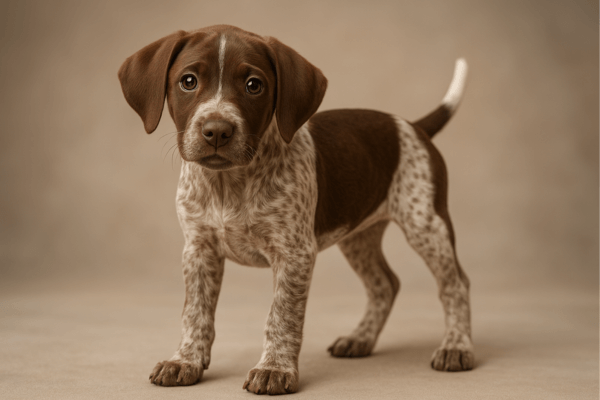
If you’re here researching a Pointer Bloodhound mix, you’re looking at one of the most interesting—and demanding—scent hound combinations out there. I’ll be straight with you: this isn’t a mix for someone who wants a dog that lounges around all day. Both parent breeds were built to work, and that drive doesn’t disappear just because you’ve got a backyard instead of a hunting field. What you get is an athletic, nose-driven dog with serious stamina and an independent streak that’ll test your patience if you’re not prepared. But for the right owner—someone who values that raw, natural tracking instinct and has the space and time to channel it—this mix can be incredibly rewarding.
Pointers were bred to cover ground and locate game birds, often working at a distance from their handler. They’re lean, fast, and built for endurance. What I appreciate about Pointers is their focus—when they’re on scent, everything else fades away. They’re also surprisingly sensitive dogs beneath that athletic exterior, which means harsh training methods backfire quickly.
Expect a dog that needs serious daily exercise—we’re talking 90 minutes minimum of running, not just walking around the block. Pointers also tend to be friendly and sociable with people, though they can be aloof with strangers if not properly socialized. They’re not guard dogs; they’d rather investigate than intimidate.
Bloodhounds bring something even more intense to the table: the most powerful nose in the dog world and the stubborn determination to follow it wherever it leads. These dogs were bred to track scent trails for miles, often hours or days old. That’s not a skill that turns off when you want your dog to come inside for dinner.
They’re gentle, patient dogs—great with kids and other animals—but training them requires a completely different approach than most breeds. You’re not commanding a Bloodhound; you’re negotiating with a scent-obsessed detective who has their own agenda. They’re also prone to drooling, baying, and selective hearing when a scent trail captures their attention.
Most Pointer Bloodhound mixes end up in the 60 to 90-pound range, standing anywhere from 23 to 27 inches at the shoulder. You’ll typically see the lean, athletic build of the Pointer with some of the Bloodhound’s heavier bone structure and loose skin—though hopefully not the extreme wrinkles that can cause skin issues.
The ears will almost certainly be long and floppy, which looks charming but requires regular cleaning to prevent infections. Coat length is usually short to medium, and shedding is moderate year-round with heavier seasonal blowouts. Colors vary widely: liver and white, black and tan, lemon, red—pretty much any combination you’d see in either parent breed.
What concerns me about this mix physically is the potential for joint stress. Both breeds are prone to hip dysplasia, and combining two large, active breeds doesn’t reduce that risk. If you’re considering a puppy, both parents should have OFA or PennHIP evaluations for hips and elbows.

Let me be clear about something: this mix lives for scent work. It’s not optional enrichment—it’s fundamental to their mental health. A Pointer Bloodhound mix without appropriate scent activities is like a border collie without a job: anxious, destructive, and miserable.
I’ve seen too many scent hounds surrendered to shelters because owners didn’t understand this basic truth. These dogs don’t just enjoy tracking; they need it the way we need sleep. Without it, you’ll see problem behaviors: excessive barking, destructive chewing, escape attempts, and what looks like disobedience but is actually just a dog following their biological programming.
The upside? Teaching nosework to this mix is absurdly easy. They take to it naturally, and watching them work is genuinely thrilling. Start with simple scent games in your yard and progress to longer trails. Many owners find competitive tracking or search-and-rescue training gives their dog the outlet they desperately need.
These mixes are typically gentle and patient, especially with children and other pets. The Bloodhound influence brings a calm, tolerant nature that balances the Pointer’s higher energy. They’re not aggressive dogs—they’d rather track a stranger than guard against one.
They’re also surprisingly social once properly introduced. Unlike some protective breeds, this mix usually welcomes new people and dogs after appropriate introductions. That makes them poor guard dogs but excellent adventure companions if you frequent dog-friendly trails or parks.
Here’s what trips up most owners: both parent breeds were designed to work at a distance from humans, making independent decisions. That’s the opposite of breeds like German Shepherds or Labs that constantly check in with their handler. Your Pointer Bloodhound mix will absolutely make their own choices, and those choices will usually involve following interesting scents rather than obeying your recall.
This isn’t defiance—it’s genetics. Understanding that difference is crucial. You can’t punish the independence out of a scent hound; you can only manage it through training, secure fencing, and appropriate outlets for their natural behaviors.
I’m going to save you some frustration: forget about perfect off-leash reliability with this mix unless you’ve put in serious training hours from puppyhood. Even then, a hot scent trail will override their recall more often than you’d like. That’s not a training failure—it’s biological reality.
What does work? Positive reinforcement using high-value rewards (usually food, since these dogs are very food-motivated). Keep sessions short and understand that repetitive obedience drills bore them quickly. They’re intelligent, but they’re not interested in performing tricks to entertain you.
Early socialization is non-negotiable. Expose your puppy to different people, dogs, environments, and experiences before 16 weeks. Scent hounds can become nervous or reactive without proper socialization, and fixing that in an adult dog is exponentially harder.
For leash training, invest in a sturdy harness rather than a collar—Bloodhounds can pull with incredible force when they hit a scent trail, and throat pressure won’t stop them. I’d recommend looking into similar tracking-driven crosses like the Greyhound Bloodhound mix if you want to compare training challenges across different hound combinations.
Plan on at least 90 minutes of exercise daily, but not all at once. This mix benefits from multiple sessions throughout the day. A morning run or bike ride (they make excellent running partners once fully mature), midday scent work or training session, and evening walk works well.
Mental exercise through nosework exhausts them more effectively than physical exercise alone. Twenty minutes of concentrated scent tracking can tire them out as much as an hour of fetch. That’s good news if weather or your schedule limits outdoor time.
What won’t work: expecting them to self-exercise in a fenced yard. They’ll patrol for interesting scents, but they won’t tire themselves out the way some high-energy breeds do. You need to actively engage them.

Both parent breeds carry some concerning genetic health issues, and the mix inherits those risks. Hip and elbow dysplasia top the list—common in both Pointers and Bloodhounds. Responsible breeders test both parents, but even with good genetics, keeping your dog at a healthy weight and avoiding excessive jumping during growth periods is essential.
Bloodhounds suffer from bloat (gastric torsion) at higher rates than most breeds, and that risk likely passes to the mix. Feed smaller meals twice daily rather than one large meal, avoid exercise immediately after eating, and learn the symptoms. Bloat is a veterinary emergency that can kill within hours.
Eye issues appear in both breeds: entropion (eyelids rolling inward) from the Bloodhound side, and progressive retinal atrophy from Pointers. Regular vet checkups should include eye examinations.
Ear infections are practically guaranteed if you don’t stay on top of ear cleaning. Those long, floppy ears trap moisture and debris, creating perfect conditions for bacterial growth. Check and clean ears weekly, especially after swimming or hiking.
Life expectancy typically ranges from 10 to 12 years, which is reasonable for a large breed. Keeping them lean, providing appropriate exercise, and catching health issues early all contribute to longevity.
Let’s be honest: this mix needs space. An apartment could theoretically work if you’re exceptionally dedicated to multiple long outings daily, but it’s not ideal. A house with a securely fenced yard is much more realistic. And I mean securely—both parent breeds are escape artists when motivated by scent.
Fence height matters less than you’d think (they’re not huge jumpers), but fence integrity is critical. Check for gaps, weak spots, and digging opportunities. Bloodhounds can dig under a fence with surprising speed when they’re tracking something interesting on the other side.
Climate tolerance is moderate. The short coat doesn’t provide much insulation in extreme cold, and the dark colors some inherit make them vulnerable to overheating. In Montana winters, I’d recommend a coat for extended outdoor time. In southern summers, exercise during cooler morning and evening hours.
Grooming is refreshingly straightforward. Weekly brushing handles most shedding, increasing to several times weekly during spring and fall coat blows. A rubber curry brush or hound glove works well for removing loose hair.
Bathe only when actually dirty—these dogs love rolling in anything smelly, so that might be more often than you’d prefer. Use a gentle dog shampoo, and dry those ears thoroughly afterward.
Nail trimming every 3-4 weeks prevents overgrowth. If you hear clicking on hard floors, they’re too long. Many owners struggle with this task; if that’s you, a vet or groomer can handle it for $10-15.
Dental care deserves more attention than most owners give it. Brush teeth several times weekly using dog toothpaste. Dental disease is common in dogs and entirely preventable with consistent care.
Finding a Pointer Bloodhound mix puppy from a breeder is uncommon—this isn’t a popular designer cross. If you do find one, expect $500 to $1,200 depending on location and parent pedigrees. Frankly, you’re more likely to find this mix through rescues or shelters, where adoption fees run $150-400.
Annual costs for a healthy adult run approximately:
Budget for unexpected vet expenses—every dog eventually needs something beyond routine care. Hip dysplasia surgery can easily hit $3,000-6,000 per hip. Bloat emergency treatment runs $1,500-7,500. Pet insurance or an emergency fund makes sense for this mix.
This mix thrives with active owners who understand hound mentality. If you’re a runner, hiker, or outdoor enthusiast who wants a companion for adventures and has the patience for independent thinking, this could work beautifully. Experience with dogs helps, though it’s not absolutely required if you’re committed to training.
Families with older children generally do well—these dogs are patient and gentle. Very young kids who might accidentally hurt a resting dog or get knocked over during play are less ideal.
Who shouldn’t get this mix? Anyone expecting a dog that’s perfectly obedient off-leash. People with limited time for exercise and training. Those living in small spaces without easy outdoor access. First-time dog owners who want something easier to manage. Anyone who can’t secure their property against determined escape artists.
Start with hound-specific rescues rather than breeders—this mix appears in rescue much more frequently than through intentional breeding. Organizations like Bloodhound and foxhound rescues sometimes have mixes available. Petfinder and Adopt-a-Pet let you search by breed mix and location.
If you’re set on a puppy and find a breeder, ask about health testing for both parents (hips, elbows, eyes minimum). Meet at least the mother, observe temperament, and ask about return policies. Responsible breeders take their dogs back if things don’t work out.
Avoid anyone who can’t provide health clearances, won’t let you visit, or has multiple litters available simultaneously. Those are red flags for puppy mills or backyard breeders prioritizing profit over dog welfare.
The Pointer Bloodhound mix is a specialist, not a generalist. If you want a dog for hiking, tracking, and outdoor adventures—and you understand you’re partnering with a nose-driven athlete rather than commanding a servant—this mix can be phenomenally rewarding. Watching them work scent is watching a master craftsman at their trade.
But if you’re looking for easy obedience, reliable off-leash behavior, or a low-maintenance companion, look elsewhere. This mix demands time, space, secure containment, and most importantly, appropriate outlets for their natural abilities. Give them that, and you’ll have a capable, gentle partner for the trail. Fail to provide it, and you’ll both be miserable.
These dogs remind me why I started working with scent detection in the first place—they’re doing what thousands of years of evolution designed them to do, and they’re brilliant at it. If you can embrace that instead of fighting it, you’re in for something special. Just come prepared with good fencing, patience for training, and comfortable hiking boots.


