


Field researcher, animal behavior specialist, and Dog lover

Puppies from America’s most trusted breeder network.
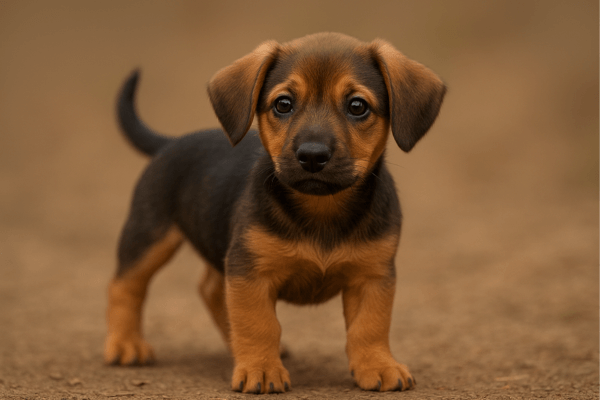
Look, I’m going to be straight with you: a Bloodhound Chihuahua mix is one of the most unlikely pairings you’ll encounter in the dog world. We’re talking about a 100-pound scent hound bred to track game across miles meeting a 6-pound companion bred to sit on laps in Mexico. This isn’t a common designer breed you’ll find at your local breeder—this is what happens when nature (or someone’s very unsupervised backyard) takes an unexpected turn. If you’ve stumbled across this mix or are genuinely curious whether it’s right for you, I’ll walk you through what to realistically expect from this genetic lottery.
This mix doesn’t have a cute designer name like “Labradoodle” or “Cockapoo”—and there’s a reason for that. Bloodhound Chihuahua mixes are extremely rare, bordering on accidental. The sheer size difference between these breeds makes natural breeding nearly impossible, and responsible breeders wouldn’t intentionally create this combination due to serious health and ethical concerns.
When this mix does occur, it’s typically through artificial insemination with a Chihuahua father and Bloodhound mother—the reverse would be dangerous for a small Chihuahua carrying large-breed puppies. Even then, this isn’t something you’ll find from reputable breeders. What you’re more likely encountering is a dog labeled as this mix in a shelter, which might actually be a Bloodhound mixed with a small hound or terrier that someone’s guessing has Chihuahua in it.
Bloodhounds are scent-tracking machines with over 300 million scent receptors—that’s about 40 times more than humans have. I’ve watched these dogs work, and when they catch a scent, everything else ceases to exist. They were bred in medieval Europe to track deer and wild boar, and later became famous for tracking people.
These are large dogs, typically weighing 80-110 pounds, with loose, wrinkled skin and those signature long, droopy ears that help trap scent particles. They’re gentle, patient, and stubborn as hell when they’re on a trail. Their exercise needs are moderate but their mental stimulation needs are through the roof—a Bloodhound without a job to do is a Bloodhound who’ll create their own entertainment, usually involving following every scent in your neighborhood.
Chihuahuas are the smallest recognized breed, weighing just 2-6 pounds in most cases. Don’t let that fool you—these dogs have the confidence of animals ten times their size. They’re fiercely loyal to their people, often bonding intensely with one or two individuals while remaining suspicious of everyone else.
Originally from Mexico, Chihuahuas are companion dogs through and through. They’re alert, intelligent, and surprisingly stubborn for their size. They can be vocal and territorial, which people either find charming or exhausting depending on their tolerance for barking. Health-wise, they’re prone to dental issues, patellar luxation, and hypoglycemia.
This is where things get genuinely unpredictable. You could end up with a dog anywhere from 15 to 60 pounds—that’s an enormous range. Most individuals I’ve heard about fall somewhere in the 25-40 pound range, which makes sense as a rough middle ground, but there are no guarantees here.
The build will depend heavily on which parent dominates genetically. Some might have the longer body and shorter legs of a Bloodhound with a smaller head, while others might look like an oversized Chihuahua with droopier ears. I’ve seen photos of claimed mixes that look like small hounds with apple-shaped heads—honestly, pretty cute in a quirky way.
Both parent breeds have short, smooth coats, so you can expect something similar in the mix. Grooming requirements should be relatively minimal—weekly brushing and occasional baths. They’ll shed moderately year-round, but nothing like the double-coated breeds I deal with up here in Montana.
The wrinkles are a question mark. If your dog inherits Bloodhound skin, you’ll need to clean between those folds regularly to prevent infections. It’s not difficult work, but it needs to be consistent—damp, dark skin folds are bacteria’s favorite vacation spot.
The ears are what interest me most about this mix. Bloodhounds have those incredible long, droopy ears that can reach past their nose. Chihuahuas often have large, upright bat ears. Your mix could have semi-erect ears, medium-length drop ears, or anything in between. Whatever you get, check and clean them weekly—ear infections are common in dogs with any degree of ear drop.
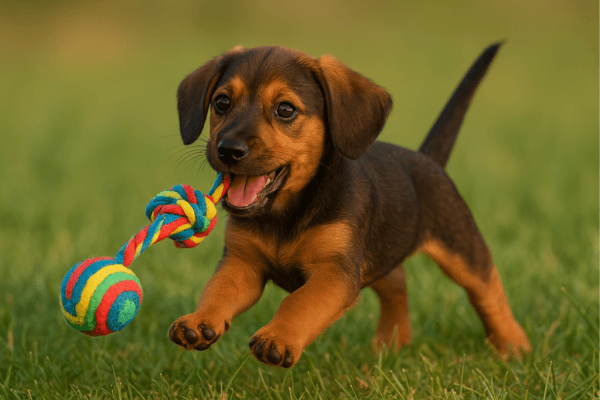
Here’s what concerns me about this mix from a behavioral standpoint: both parent breeds are notoriously stubborn. Bloodhounds are independent thinkers bred to follow their nose regardless of what their human wants. Chihuahuas are strong-willed dogs who often think they run the household. Combine these traits, and you’ve got a dog who’ll need patient, consistent training from day one.
On the positive side, Bloodhounds are generally gentle and good-natured, especially with children. Chihuahuas can be more temperamental and don’t always tolerate rough handling from kids. The mix will likely fall somewhere in between—probably friendlier than a purebred Chihuahua but potentially more reserved than a purebred Bloodhound.
If there’s one thing you can count on, it’s that this dog will have a strong scenting drive. Even diluted Bloodhound genetics produce dogs who live through their nose. This isn’t a dog you can let off-leash in unfenced areas—when they catch an interesting scent, they’re gone. I’ve seen hounds disappear into the wilderness following a days-old deer trail, completely deaf to recall commands.
The practical implication? This dog needs mental enrichment through their nose. Hide treats around your house, invest in snuffle mats, teach them basic scent work. A tired nose is a happy dog, and this mix will have a nose that needs working. This is actually where these dogs can shine—give them scent-based activities and you’ll have a much more satisfied companion.
Bloodhounds bay—that deep, melodious howl that carries for miles. Chihuahuas bark—that high-pitched, persistent yapping that carries through walls. Your mix could inherit either tendency, both, or something in between. If you live in an apartment or have close neighbors, this is a legitimate concern worth considering.
Let’s address the elephant in the room: crossing breeds with extreme size differences creates health risks. The skeletal structure, organ size, and overall body mechanics of these two breeds are drastically different. While hybrid vigor can improve health in some crosses, it can’t overcome basic structural incompatibilities.
Potential issues include joint problems, back issues (especially if the dog has a longer Bloodhound body on shorter Chihuahua legs), and heart concerns. There simply isn’t enough data on this specific mix to know what you’re getting into. If you’re considering one of these dogs, a thorough vet examination is non-negotiable.
From the Bloodhound side, watch for:
From the Chihuahua side, potential concerns include:
Smaller dogs typically live longer than large breeds. Chihuahuas often reach 14-16 years, while Bloodhounds average 10-12 years. A mix will likely fall somewhere in between, with a reasonable estimate of 12-14 years if they’re healthy and well-cared for. That’s actually not bad for a medium-sized dog.
Both parent breeds can be challenging to train, so early socialization and training are critical. Enroll in puppy classes as soon as your vet gives the all-clear. Expose your dog to different people, places, sounds, and experiences during that crucial socialization window before 16 weeks of age.
Use positive reinforcement methods—these dogs won’t respond well to harsh corrections. Bloodhounds can be sensitive despite their size, and Chihuahuas can become fearful or aggressive if handled roughly. High-value treats and patience will get you much further than intimidation.
Teaching a reliable recall to a dog with Bloodhound genetics is like teaching a teenager to ignore their phone—theoretically possible but requiring serious dedication. Start recall training immediately and practice in controlled environments before ever trusting it in the real world. Even then, keep your dog on a long line in unfenced areas. When their nose engages, their ears turn off.
Small-dog syndrome is real, and Chihuahua genetics might make your mix prone to it. Don’t let behaviors slide because your dog is smaller than a purebred Bloodhound. Jumping, barking, and possessiveness need to be addressed regardless of size. Similarly, the Bloodhound’s tendency to follow their nose into trouble needs management through training and environmental control.
This mix will need moderate daily exercise—probably more than you’d expect for a dog this size. Plan for at least one substantial walk per day, ideally 45-60 minutes. However, the quality of the walk matters more than the distance. Let your dog sniff—this is how they experience the world, and denying them that is like asking you to walk through a museum blindfolded.
Mental exercise is equally important. Scent games, puzzle feeders, and nose work training will tire your dog out more effectively than physical exercise alone. A 20-minute scent discrimination session can leave a dog more satisfied than an hour of mindless walking. If you’re looking for more information on mixing different hound genetics, you might find the Doberman Bloodhound Mix article interesting for comparison.
Unlike a purebred Bloodhound who really needs space, a Bloodhound Chihuahua mix could potentially adapt to apartment living if their exercise and mental stimulation needs are met. The key factors are whether they inherit the Bloodhound’s baying voice (not apartment-friendly) and how much exercise they require daily.
A securely fenced yard is ideal but not absolutely necessary if you’re committed to multiple daily walks. If you do have a yard, inspect that fence carefully—dogs with strong scenting drives are expert escape artists when they catch an interesting smell.
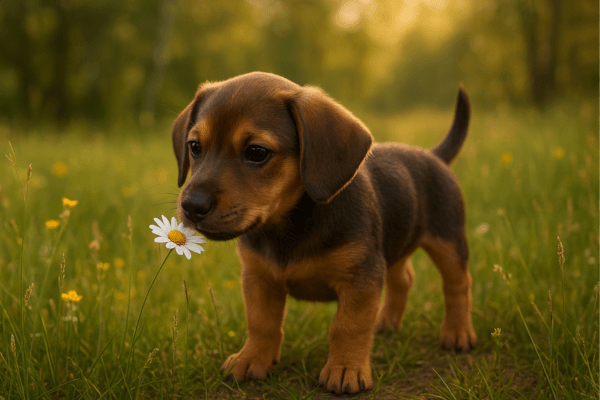
Feed a high-quality dog food appropriate for your dog’s actual size—which you won’t know until they’re fully grown around 12-18 months. Smaller individuals might do fine on small-breed formulas, while larger ones might need medium-breed nutrition.
Because of potential bloat risk from Bloodhound genetics, I’d recommend feeding two smaller meals per day rather than one large meal, and avoid exercise immediately before and after eating. Monitor your dog’s body condition and adjust portions as needed—obesity puts extra stress on joints and organs.
Annual food costs will vary based on size but expect roughly $400-$700 per year for decent quality food. Add another $100-200 for treats, chews, and supplements if needed.
Let me be clear: no responsible breeder is intentionally producing this mix. The size disparity creates ethical concerns, and there’s no functional or health-related reason to cross these breeds. If someone is advertising Bloodhound Chihuahua puppies, that’s a red flag about their breeding practices.
Your best bet for finding this mix is through shelters and breed-specific rescues. Check Bloodhound rescues, hound rescues, and general shelters in your area. Be aware that breed identification in mixed dogs is often guesswork based on appearance—what’s labeled as a Bloodhound Chihuahua mix might actually be a Bloodhound crossed with a Beagle, small terrier, or other small breed.
Adoption fees typically range from $50-$300, which usually includes spay/neuter, initial vaccinations, and sometimes a microchip. This is far more ethical and affordable than purchasing from a questionable breeder.
Before bringing any dog home, especially an unusual mix like this, ask the shelter or rescue:
Let’s talk real numbers for owning a dog of this size and type:
First-Year Costs:
Annual Costs After First Year:
Look, I’m not going to sugarcoat this: a Bloodhound Chihuahua mix is a questionable cross from a breeding ethics standpoint. The size disparity alone creates concerns that responsible breeders avoid. If you’re encountering this mix, it’s likely either an accidental breeding or coming from someone who shouldn’t be breeding dogs.
That said, if you’ve fallen for one of these dogs in a shelter, I get it. Mixed breeds can make wonderful companions, and every dog deserves a good home regardless of their genetic origins. Just go in with your eyes open about the unpredictability and potential challenges.
What appeals to me about this theoretical mix is the nose. Any dog with Bloodhound genetics has incredible scenting potential, and if you’re willing to channel that into constructive activities, you could have a fascinating companion. The smaller size compared to a purebred Bloodhound might make them more manageable for some households while still retaining that incredible scenting ability.
But I worry about the health unknowns and the training challenges. Both parent breeds are stubborn in different ways, and combining those traits doesn’t magically create an easier dog. You’ll need patience, consistency, and realistic expectations. This isn’t a dog for someone seeking convenience or predictability.
If you’re drawn to this mix, consider these alternatives that might give you similar traits with less risk:
Beagle or Basset Hound: Smaller hounds with excellent noses and fewer extreme traits. Beagles weigh 20-30 pounds, Bassets 40-65 pounds. Both are stubborn but more manageable than a Bloodhound.
Puggle (Pug + Beagle): If you like the idea of a small hound mix, this established cross has more predictability.
Small hound mixes from shelters: Plenty of Beagle, Basset, and other hound crosses need homes and offer similar scenting drive without the ethical concerns.
Purebred Bloodhound: If you have the space and truly want that incredible nose, go straight to the source. They’re gentler and more predictable than this cross.


