


Field researcher, animal behavior specialist, and Dog lover
Puppies from America’s most trusted breeder network.

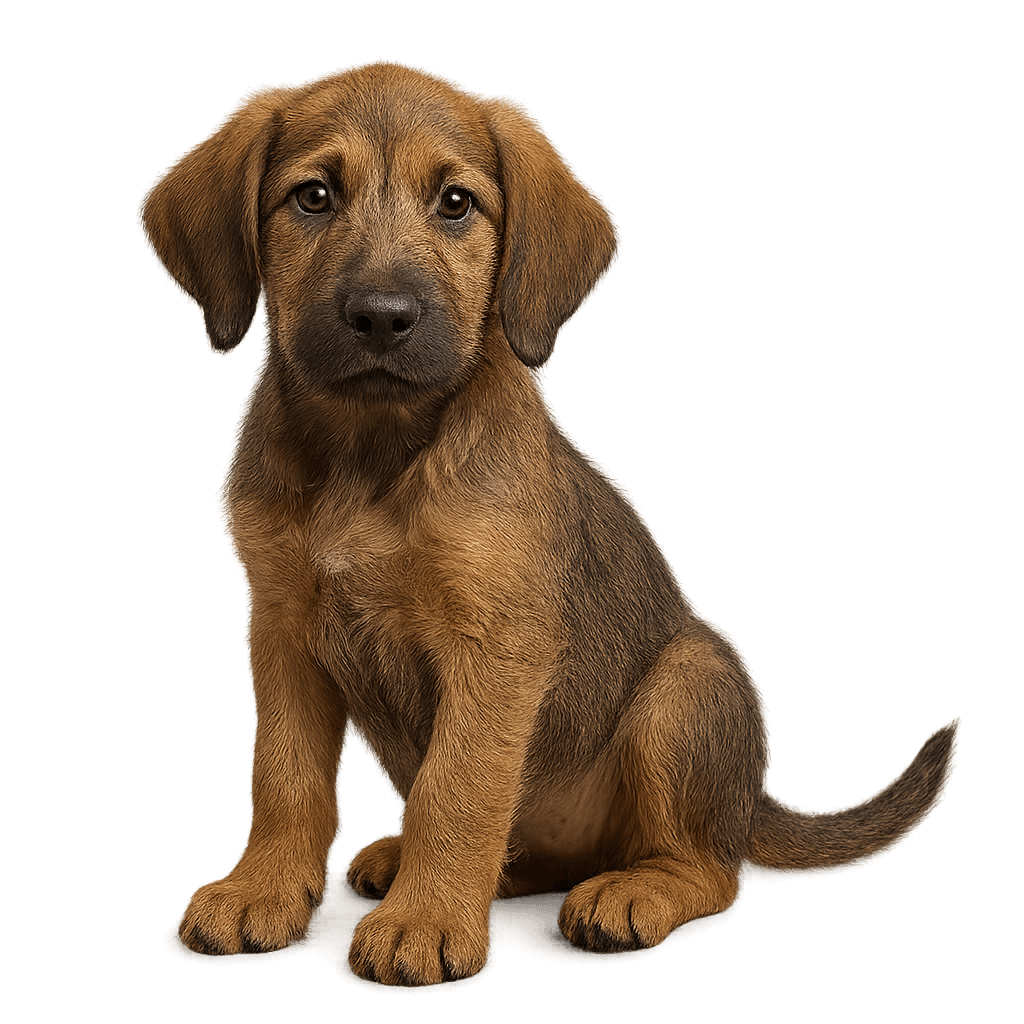
Look, I’ll be straight with you—a Bloodhound Deerhound mix is about as rare as finding clean paws after a mountain hike. This isn’t your typical designer dog you’ll stumble across at every shelter or breeder’s website. When you cross the low-slung, scent-obsessed Bloodhound with the tall, elegant Scottish Deerhound, you’re creating something truly unique. Both breeds bring serious hunting heritage to the table, but they approach the job from completely different angles. The Bloodhound lives for ground scent work—nose down, focused, relentless. The Deerhound? That’s a sight hound built for speed and coursing across open terrain. Mix those instincts together and you’ve got a fascinating, complex dog that’s definitely not for everyone. If you’re considering this unusual combination, you need to understand what you’re really getting into—and trust me, it’s quite a lot.
The Bloodhound is legendary for its nose—we’re talking about a dog with approximately 300 million scent receptors compared to our measly 5 million. These dogs were bred in medieval Europe specifically for tracking game and, later, people. What I find remarkable about Bloodhounds is their singular focus once they catch a scent. Everything else becomes background noise. They’re stubborn, determined, and will follow a trail for miles if you let them.
Physically, Bloodhounds are substantial dogs—typically 80-110 pounds, with loose, wrinkled skin and those characteristic long, droopy ears that help trap scent particles. They’re not particularly tall (23-27 inches), but they’re solidly built. Temperament-wise, they’re generally gentle, patient, and affectionate with family, though that nose can make them seem aloof when they’re working. Their lifespan averages 10-12 years, and they come with some significant health considerations including bloat, hip dysplasia, and eyelid problems.
The Deerhound couldn’t be more different in approach. This is a tall, rangy sight hound—often 28-32 inches at the shoulder and 75-110 pounds—bred to chase down deer across the Scottish Highlands. They hunt by sight and speed, not scent. What strikes me about Deerhounds is their almost regal bearing combined with surprising gentleness. They’re often described as “the most perfect creature of Heaven.”
These dogs have a rough, wiry coat, a deep chest built for cardiovascular endurance, and long legs made for covering ground fast. Their temperament tends toward calm and dignified indoors, with explosive energy when chasing. They’re typically wonderful with family, polite with strangers, and have a strong prey drive toward anything that runs. Health-wise, they’re prone to heart issues (particularly dilated cardiomyopathy), bloat, and bone cancer, with a shorter lifespan of typically 8-11 years.
This mix creates a dog that’s almost certainly going to be large and imposing. You’re looking at anywhere from 26-31 inches tall and 70-105 pounds, though individual variation can be significant. The build might favor the Deerhound’s rangier frame or the Bloodhound’s heavier structure—it’s a genetic toss-up with each litter.
The coat is where things get interesting. You might end up with the Bloodhound’s short, dense coat, the Deerhound’s wiry roughness, or something in between. Color possibilities include:
The facial features often show a blend—you might see some of the Bloodhound’s loose skin and long ears combined with the Deerhound’s longer muzzle and more refined head. Honestly, predicting the exact look is nearly impossible until the puppies mature.
Here’s where my experience with working breeds and their drives becomes really relevant. This mix brings together two different hunting styles, and that creates complexity. The Bloodhound contributes determination, focus, and a scent-driven personality that can border on obsessive. The Deerhound adds prey drive, independence, and surprisingly calm house manners when not activated.
What concerns me about this combination is the potential for conflicting instincts. You’ve got a dog that might want to put its nose down and trail (Bloodhound) but also has the visual trigger response and chase instinct (Deerhound). In practical terms, this means a dog that could be difficult to recall once something interesting appears—either a scent trail or a running critter. That’s not a dog you want off-leash in unfenced areas unless you’ve put in serious training work.
With family, these dogs typically show the gentle, affectionate nature of both parents. They’re usually patient with children and non-aggressive toward people. However, that prey drive means caution around small pets, and the size alone requires supervision around young kids who could be accidentally knocked over.

Let me be blunt—if you’re not an active person who enjoys spending significant time outdoors, this isn’t your dog. Both parent breeds were developed for sustained physical work, and this mix inherits that requirement. You’re looking at a minimum of 90 minutes of exercise daily, and I’d recommend more like two hours split across the day.
But here’s what many people miss: physical exercise alone won’t cut it. These dogs need jobs that engage their natural abilities. This is exactly the type of dog I work with in scent detection training, and they absolutely thrive when given proper nose work. A Bloodhound Deerhound mix doing tracking exercises or search games will be infinitely more satisfied than one just walking the same neighborhood route every day.
Activities that work particularly well include:
What I’ve observed with similar mixes is that under-exercised dogs develop behavioral problems—excessive barking (and Bloodhounds can bay impressively), destructive chewing, or frustrated pacing. A tired dog with a satisfied nose is a content companion. A bored one is a household disaster.
I’m not going to sugarcoat this—training a Bloodhound Deerhound mix requires patience, consistency, and realistic expectations. Neither parent breed is known for eager-to-please obedience like you’d find in a German Shepherd or Border Collie. Bloodhounds are famously stubborn and single-minded when scenting. Deerhounds are independent thinkers bred to make decisions far from their handlers.
Traditional obedience training often frustrates owners of this mix because these dogs aren’t motivated by simply pleasing you. You need to make training worth their while and work with their natural inclinations rather than against them. Food motivation can work well, but honestly, the best training tool is often access to what they want—the opportunity to use their nose or engage in appropriate chase games.
Early socialization is absolutely critical. These are large dogs with strong instincts, and you need to expose them to various people, animals, environments, and situations while they’re young enough to form positive associations. The Deerhound’s prey drive combined with the Bloodhound’s determination means recall training is essential but challenging. I’d strongly recommend professional help with this specific skill.
Something similar to how I might work with a Bluetick Bloodhound mix applies here—you’re working with powerful scenting instincts that need appropriate outlets rather than suppression. Trying to eliminate these natural behaviors entirely will only create frustration for both you and the dog.
Both parent breeds come with significant health concerns, and a mix can potentially inherit issues from either side. This is one area where the lack of established breeding programs for this mix becomes problematic—you’re unlikely to find health testing documentation like you would with purebred parents from responsible breeders.
The major health risks include:
Expected lifespan is probably in the 8-11 year range, possibly reaching 12 if you’re lucky with genetics and maintain excellent preventive care. That’s shorter than many dogs, and it’s something to seriously consider before committing to this mix. Veterinary costs can be substantial with a large breed prone to these conditions—budget for $800-1,500 annually for routine care, more if health problems develop.
Prevention strategies I’d recommend include feeding multiple smaller meals to reduce bloat risk, knowing the signs of bloat and having an emergency plan, annual cardiac screening starting at age 3-4, maintaining appropriate weight to reduce joint stress, and regular ear cleaning if those Bloodhound ears appear.
Grooming requirements depend heavily on which coat type your individual dog inherits. If you get more of the Bloodhound’s short, dense coat, maintenance is relatively straightforward—weekly brushing to remove dead hair and distribute skin oils. If the Deerhound’s rough, wiry coat dominates, you’ll need more frequent brushing (2-3 times weekly) to prevent matting, especially around the legs and belly.
Both breeds shed moderately year-round. You’ll find dog hair on your floors and furniture—that’s just reality with these dogs. Regular brushing helps manage it but won’t eliminate it. I believe dogs should smell like dogs and get properly dirty during outdoor adventures, but that doesn’t mean neglecting basic hygiene. After muddy hikes (which will be frequent if you’re exercising this dog properly), a rinse-down may be necessary.
Those ears need regular attention. Long, droopy ears trap moisture and create perfect conditions for infections. Check them weekly, clean as needed with appropriate solution, and watch for signs of problems—head shaking, odor, redness, or discharge. Nail trimming every 3-4 weeks is essential for a dog this size, and dental care shouldn’t be ignored either.
Let’s talk practicalities. A Bloodhound Deerhound mix in a small apartment is a recipe for frustration all around. These dogs need space—both indoors and out. Ideally, you’re looking at a house with a securely fenced yard. And when I say securely fenced, I mean it. Deerhounds can clear surprisingly tall obstacles when motivated, and Bloodhounds are persistent about following their noses under, over, or through barriers.
Fence height should be at least 5-6 feet, and you need to check for gaps or weak spots regularly. The prey drive in this mix means that a squirrel or rabbit on the other side of the fence can trigger intense interest. If you’re relying on invisible fencing, forget it—the drive to chase or follow a scent will override any shock collar correction for most dogs with these genetics.
Indoors, despite their size, both parent breeds can be surprisingly calm house dogs when their exercise needs are met. They’re typically not destructive or hyperactive inside if they’ve had appropriate physical and mental stimulation. However, they do take up space—a 90-pound dog sprawled on your living room floor is a significant presence, and those long legs need somewhere to stretch out.
Climate considerations matter too. The Bloodhound’s loose skin and both breeds’ susceptibility to overheating mean that hot, humid climates require extra caution. Exercise needs to happen during cooler parts of the day, and access to shade and water is essential. Cold tolerance is generally better, especially if the Deerhound’s rougher coat is present, though outdoor housing is not appropriate for either breed—these are companion dogs that need to be with their people.

Large, active dogs require quality nutrition, and cutting corners on food typically backfires with increased health problems down the line. You’re looking at feeding 4-6 cups of high-quality dog food daily, split into at least two meals (preferably three to reduce bloat risk). That translates to roughly $80-120 monthly for decent quality food, more if you choose premium or specialized diets.
What I find important for active, working-type dogs is protein quality and appropriate fat content. These dogs aren’t just maintaining weight—they’re fueling significant exercise and using their brains during scent work or training. Look for foods with named meat sources as the first ingredients, moderate to moderately-high fat (14-18% for most adults), and quality carbohydrate sources for sustained energy.
Feeding protocols matter almost as much as what you feed. To minimize bloat risk, avoid exercise for at least an hour before and after meals, use raised feeders with caution (research is mixed on whether they help or hurt), consider slow-feeder bowls if your dog gulps food rapidly, and keep fresh water available at all times but monitor intake immediately before and after heavy exercise.
Weight management becomes increasingly important as these dogs age. Both parent breeds can develop joint problems, and every extra pound adds stress to those joints. You should be able to feel ribs easily without pressing hard, see a waist when viewed from above, and notice a tuck-up in the abdomen when viewed from the side.
Here’s the reality—this is an extremely uncommon mix, and finding one requires patience and flexibility. You’re not going to find dedicated breeders producing Bloodhound Deerhound crosses; this happens almost exclusively as accidental breeding or very occasional intentional crosses by individuals who own both breeds.
Your best bet is monitoring breed-specific rescues for both Bloodhounds and Deerhounds, as well as general large breed rescues and shelters. Set up alerts on Petfinder, contact local shelters about your interest, and join breed-specific groups on social media where people sometimes post about mixes needing homes. Adoption fees typically run $200-500, which includes basic vetting.
If you’re determined to find a puppy, you’ll need to connect with Bloodhound and Deerhound communities and let people know you’re interested in this specific cross. However, I’d caution you about anyone breeding these mixes intentionally without clear purpose. Responsible breeders of both parent breeds are focused on preserving and improving their respective breeds—crosses are typically accidents, not planned programs.
Be extremely cautious about anyone selling these puppies at premium “designer dog” prices. There’s no established breeding program, no predictability advantage, and no reason this mix should cost $2,000+. If you do find puppies available, ask about health testing on both parents (hip scores, cardiac evaluation, eye exams at minimum), meet at least the mother, see where puppies are raised, and expect thorough questioning about your lifestyle and experience.
I’m going to give you my honest assessment here. A Bloodhound Deerhound mix is not a dog for most people, and there’s no shame in recognizing if it’s not right for your situation. These are wonderful animals with incredible abilities, but they come with significant requirements and challenges.
This mix might work for you if you’re an experienced dog owner who genuinely enjoys spending several hours daily in outdoor activities, have secure space for a large, athletic dog, understand and can work with independent, scent-driven personalities, have the financial resources for potential health issues, and specifically want a dog for activities like tracking, hiking, or scent work where these instincts are assets rather than problems.
This mix is probably not right if you’re a first-time dog owner without support from experienced trainers, live in an apartment or lack secure outdoor space, expect a highly obedient dog that’s easy to control off-leash, need a dog that’s reliable around small pets, or want a low-maintenance companion that doesn’t require substantial daily exercise.
In my experience working with dogs that have strong working instincts, the biggest predictor of success isn’t the dog—it’s whether the owner’s lifestyle genuinely matches the dog’s needs. These needs don’t decrease because you’re busy, tired, or the weather’s bad. A dog like this is a significant commitment that will shape your daily life for a decade or more. If that sounds exciting rather than daunting, and you’re committed to providing appropriate outlets for hunting instincts through activities like scent work, then this might be an incredibly rewarding match. If it sounds overwhelming, it’s better to recognize that now and consider breeds or mixes better suited to your actual situation.
A Bloodhound Deerhound mix isn’t a dog you choose casually. It’s a significant commitment that requires honest self-assessment about your lifestyle, experience, and willingness to work with powerful instincts rather than against them. I’ve spent years helping dogs and their humans tap into natural scenting abilities, and I can tell you that a dog with these genetics, given appropriate outlets for its drives, is absolutely magnificent to watch work.
But here’s the thing—that magnificence comes with responsibility. These aren’t dogs that adapt to our convenience. They have real needs hardwired by centuries of breeding for specific work, and meeting those needs shapes your daily life in fundamental ways. The early mornings for exercise before it gets too hot, the training sessions to build reliable recalls, the management around small animals, the veterinary costs for a large breed prone to serious health issues—all of that is part of the package.
If you’re genuinely excited about spending hours in the mountains or fields with a dog that lives for tracking and movement, if you find satisfaction in working with independent thinkers rather than needing perfect obedience, if you have the space and resources this dog requires, then this mix might give you some of the most rewarding experiences of your dog-owning life. Just go in with eyes wide open about what you’re really signing up for. These dogs deserve owners who understand and embrace what they are, not people hoping they’ll be something they’re not.


