


Field researcher, animal behavior specialist, and Dog lover

Puppies from America’s most trusted breeder network.
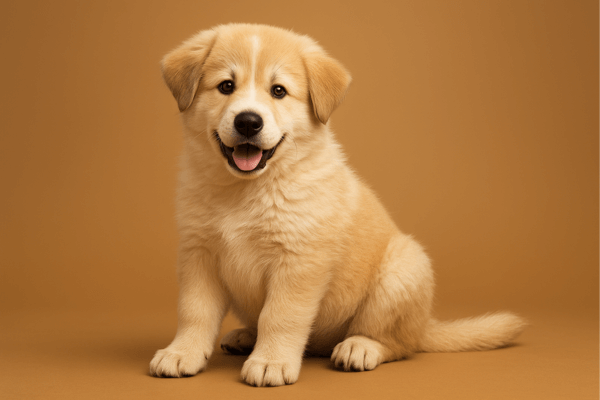
If you’re looking at a Great Pyrenees Akita mix, you’re considering one seriously impressive dog. This isn’t your typical designer breed with a cute portmanteau name—it’s a powerful combination of two ancient guardian breeds with strong instincts and equally strong personalities. I’ve seen a handful of these mixes over the years, and what strikes me most is how much they demand from their owners. They’re not difficult dogs, but they’re definitely not beginner-friendly either.
This mix brings together the gentle giant nature of the Great Pyrenees with the intense loyalty and independence of the Akita. The result? A large, intelligent dog with protective instincts that can be both impressive and challenging. If you’re drawn to their stunning looks and calm demeanor, that’s understandable—but there’s a lot more going on beneath that beautiful coat than you might expect.
Let’s start with the reality check: a Great Pyrenees Akita mix will be a large dog, plain and simple. Expect anywhere from 75 to 120 pounds, depending on which parent they take after. The Great Pyrenees typically weighs 85-115 pounds, while Akitas range from 70-130 pounds, so you’re looking at a substantial animal either way.
The appearance can vary quite a bit, but most of these mixes have a thick double coat that sheds heavily—and I mean heavily. If you’re bothered by dog hair on your furniture, clothes, and probably in your coffee, this isn’t your dog. The coat is usually medium to long, designed for cold weather protection, which both parent breeds were bred for.
Common coat colors include white, cream, black, gray, or various combinations with brindle or piebald patterns. Some inherit the Akita’s more defined markings, while others lean toward the Pyrenees’ predominantly white coat. What I find impressive about this mix is their dignified presence—they carry themselves with quiet confidence that commands respect.
Here’s where things get interesting. Both parent breeds were developed as independent guardians. The Great Pyrenees watched over flocks in the mountains, making decisions without human direction. The Akita guarded Japanese nobility and hunted large game, also working independently. This means your mix will be intelligent but not necessarily eager to please.
They’re typically calm indoors—don’t expect a hyperactive dog bouncing off walls. But that calmness shouldn’t be mistaken for laziness or submissiveness. These dogs are constantly assessing their environment, and they take their protective role seriously whether you asked them to or not.
Both parent breeds are natural guardians, and this trait doesn’t just disappear because you live in suburbia and don’t have sheep to protect. Your Great Pyrenees Akita mix will likely be watchful with strangers, reserved rather than friendly, and potentially territorial about your property.
This isn’t aggression—it’s their bred-in purpose expressing itself. The Great Pyrenees were bred to bark warnings at potential threats (and they will bark, often at night). The Akita was bred to be suspicious of strangers and protective of their family. Combined, you get a dog who needs extensive socialization from puppyhood to distinguish between normal visitors and actual threats.
What concerns me is when people underestimate this trait. If you’re hoping for a dog who loves everyone at the dog park and welcomes all your house guests with tail wags, you might be disappointed. These dogs typically tolerate rather than embrace new people and animals. That’s not a flaw—it’s their nature—but it requires management and understanding.
I need to be straight with you: training a Great Pyrenees Akita mix requires a different mindset than training a Labrador or Golden Retriever. These dogs are intelligent—sometimes frustratingly so—but they’re not automatically obedient. They were bred to think independently and make their own decisions.
Positive reinforcement absolutely works, but you need patience and realistic expectations. These dogs respond well to training that makes sense to them. Teaching a solid recall? That’s tough when their instinct is to patrol a perimeter, not race back to you. Teaching them to settle calmly? Much easier, as that aligns with their natural temperament.
What I’d recommend is focusing on practical skills rather than trick training. Work on polite greetings, calm behavior around distractions, and reliable basic obedience in real-world situations. Skip the obsession with perfect heel position and focus instead on a dog who can walk calmly on leash without pulling your arm off—much more valuable with a 100-pound dog.
If there’s one thing you absolutely cannot skip with this mix, it’s early and ongoing socialization. Expose your puppy to different people, dogs, environments, sounds, and experiences while they’re young. This doesn’t mean forcing interactions—it means creating positive associations with novelty.
The Akita parent brings a tendency toward same-sex dog aggression and a low tolerance for rude dog behavior. The Great Pyrenees can be aloof with other dogs and may become reactive if poorly socialized. Combined, you need to put in the work early to raise a dog who can coexist peacefully with the world around them.
Here’s a common misconception: because these are large, calm dogs, people assume they don’t need much exercise. Wrong. They need regular activity, but the type of exercise matters more than sheer quantity.
Long, moderate-paced walks are ideal—think an hour or more daily. These aren’t dogs who need to run five miles, but they do need to move their bodies and engage their minds. What I find works particularly well with guardian breeds is giving them something to “patrol” or watch over. Walking a regular route where they can check their territory satisfies that instinct better than chaotic off-leash play.
Mental stimulation is equally important. Nosework is perfect for these dogs because it taps into their natural detection abilities. Scent games, puzzle feeders, and training sessions that challenge their problem-solving skills will tire them out more effectively than physical exercise alone. A bored Great Pyrenees Akita mix can become destructive or develop nuisance barking habits.
Like most large breeds, this mix faces certain health risks you should be aware of before bringing one home. Both parent breeds are prone to hip and elbow dysplasia, which can lead to arthritis and mobility issues as they age. Responsible breeders (if you go that route) should provide health clearances for both parents.
Bloat, or gastric dilatation-volvulus, is a serious concern with deep-chested large breeds. This life-threatening condition requires emergency surgery and can happen suddenly. Feeding smaller meals throughout the day and avoiding vigorous exercise immediately after eating can help reduce risk.
Great Pyrenees can develop eye problems including cataracts and progressive retinal atrophy. Akitas are prone to hypothyroidism and autoimmune conditions. Your mix could potentially inherit any of these issues, making regular veterinary care essential. Expected lifespan is typically 10-13 years, which is about average for dogs of this size.
Joint supplements, maintaining a healthy weight, and appropriate exercise throughout their life can help manage some of these risks. But be realistic about potential veterinary costs—large dogs with health issues aren’t cheap to treat.
That beautiful thick coat comes with serious maintenance requirements. Both parent breeds have heavy double coats that shed year-round and “blow” their undercoat seasonally. During shedding season, you’ll wonder if your dog is actually producing more hair than seems physically possible.
Brushing several times a week is minimum—daily during heavy shedding periods. I’d recommend investing in a good undercoat rake and a quality vacuum cleaner, because you’ll need both. Regular brushing isn’t just about keeping your house clean; it prevents matting and distributes skin oils that keep the coat healthy.
Bathing should be occasional—these breeds don’t need frequent baths and over-bathing can strip essential oils from their skin. When you do bathe them, be prepared for a lengthy process with a dog this size. Nail trimming, ear cleaning, and dental care are also necessary parts of the grooming routine that many owners neglect.
Let me be clear: this mix is not an apartment dog. While they’re relatively calm indoors, their size alone makes small spaces impractical. More importantly, these dogs benefit enormously from having space to patrol and observe their surroundings—it satisfies their guardian instincts.
A home with a securely fenced yard is ideal, though fence height matters. These are athletic dogs when motivated, and some may challenge barriers if they decide something beyond the fence needs investigating. Six-foot fencing is a good starting point. Keep in mind that the Great Pyrenees was bred to roam with flocks, so containment training and reinforcement is important.
They can adapt to various climates, but they’re definitely more comfortable in cooler weather given their heavy coats. In hot climates, you’ll need to provide shade, fresh water, and limit outdoor activity during peak heat. If you live somewhere with similar crossbreeds like an Akita Wolf Mix, you likely understand the space and exercise needs of these powerful northern breeds.
This is where I need to be particularly honest. Great Pyrenees Akita mixes can be wonderful with children they’re raised with, showing patience and gentle protectiveness. However, they’re not the automatic “nanny dog” some people imagine all large breeds to be.
Their size alone poses risks with small children—an accidental knock-over from a 100-pound dog can injure a toddler. The Akita parent brings a lower tolerance for rough handling or erratic behavior that young children often display. Supervision is absolutely necessary, and teaching children how to appropriately interact with the dog is critical.
For families with older, respectful children (think age 10+), this mix can be an excellent companion. They’re typically loyal and protective of family members, calm enough to coexist peacefully at home, and can participate in family activities. Just don’t expect them to tolerate neighborhood kids running through your yard or shrieking playmates they don’t know well.
This isn’t a common designer mix with dedicated breeders advertising puppies. Most Great Pyrenees Akita mixes you’ll find are either accidental litters or the result of rescue situations. Finding one requires patience and flexibility.
Your best bet is checking breed-specific rescues for Great Pyrenees and Akitas—many take in mixes as well as purebreds. These organizations understand the breeds and can help match you with an appropriate dog. General shelters occasionally have these mixes, though they might be labeled simply as “large mixed breed” without accurate breed identification.
Adopting an adult dog has advantages with this mix. You’ll know the dog’s actual size, temperament, and energy level rather than guessing based on puppy behavior. Many of the challenging puppy behaviors will be past, and adult dogs often settle into new homes more quickly than people expect.
If you do find someone breeding this mix intentionally, apply the same scrutiny you would to any breeder. Health testing for both parents is essential—at minimum, hip and elbow evaluations and eye exams. Meet both parent dogs if possible to assess temperament. Responsible breeders will ask you extensive questions about your experience, lifestyle, and plans for the dog.
Be wary of anyone breeding these dogs without health clearances or who can’t provide detailed information about both parent breeds. Price varies widely, but expect to pay anywhere from $500 to $1,500 if buying from a breeder, though rescues and shelters will be significantly less expensive.
On a daily basis, a well-socialized Great Pyrenees Akita mix is typically a calm, steady presence in your home. They’re not demanding constant attention or entertainment. They’re content to lie near you while you work or relax, keeping an ear out for anything unusual. That quiet companionship is genuinely special.
But you’ll also deal with the realities: hair everywhere, a dog who decides at 2 AM that a distant sound requires barking, and a 100-pound animal who sometimes leans heavily against your legs when they want attention. Walks require awareness because your dog may not appreciate every other dog who approaches, and you’ll field questions from strangers—some admirers, some nervous—about your impressive-looking companion.
Training never really stops. Guardian breeds need consistent reinforcement of rules and boundaries throughout their lives. What worked at six months might need adjustment at two years as they mature and become more confident in their role.
The most common complaint I hear about dogs with these parent breeds is stubborn independence. Your dog might hear your recall command, look directly at you, and then continue doing whatever they were doing. This isn’t spite—it’s their bred-in tendency to make their own decisions.
Managing this requires consistent training with high-value rewards and choosing your battles. Some behaviors are non-negotiable (like coming inside when called), while others might need creative solutions rather than head-on confrontation. For example, if your dog insists on barking at nighttime sounds, teaching a “quiet” command works better than punishment, which they’ll likely ignore anyway.
Another challenge is barrier frustration or leash reactivity. Dogs who are naturally protective can become reactive when they can’t fully assess a situation because they’re confined behind a fence or restricted on leash. This requires counter-conditioning work and management to prevent rehearsal of reactive behaviors.
Budget for regular veterinary expenses beyond the routine annual exam and vaccinations. Large breeds benefit from joint supplements starting in middle age, and many develop arthritis that requires management. The health issues common in both parent breeds mean you should have an emergency fund for unexpected veterinary costs.
Medication dosing is based on weight, so prescriptions for a 100-pound dog cost more than for a 30-pound dog. Anesthesia for surgeries carries slightly higher risk with giant breeds. Even routine procedures like dental cleanings become more expensive at this size. These aren’t reasons to avoid the breed, but they’re financial realities to consider.
The Great Pyrenees Akita mix is a dog for people who appreciate the dignified independence of guardian breeds and have the space, time, and experience to handle them properly. They’re not for everyone, and that’s okay—not every dog should be.
What I respect about these dogs is their authenticity. They’re not trying to be something they’re not. They’re calm, loyal, protective, and intelligent—but on their own terms. If you understand that going in and appreciate those qualities rather than fighting against them, you can have a genuinely rewarding relationship with one of these impressive dogs.
But if you’re attracted mainly to their looks, or you’re hoping for an easy, eager-to-please companion who loves everyone, look elsewhere. These dogs demand respect, consistency, and understanding of their bred-in instincts. For the right owner who’s prepared for what they actually are rather than what they wish they’d be, a Great Pyrenees Akita mix can be an exceptional companion—steady, devoted, and quietly impressive in everything they do.


