


Field researcher, animal behavior specialist, and Dog lover

Puppies from America’s most trusted breeder network.
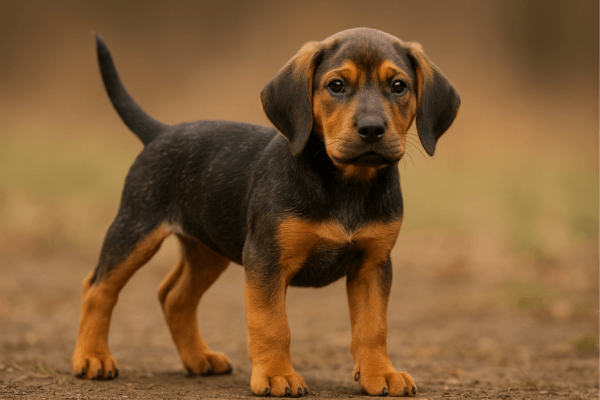
If you’re considering a GSP Bloodhound mix, you’re looking at a dog that combines the German Shorthaired Pointer’s high-octane athleticism with the Bloodhound’s legendary nose and laid-back demeanor. This isn’t your typical designer mix you’ll find in every neighborhood—it’s a rare combination that brings together two exceptional scent hounds with very different working styles. What I find fascinating about this cross is how it can balance energy levels while amplifying that incredible drive to follow a scent trail. But let me be clear: this mix isn’t for everyone, and if you’re not prepared for a dog that lives through their nose, you’re going to have a frustrated animal on your hands.
The GSP is a versatile hunting machine developed in Germany for pointing, retrieving, and tracking game. These dogs are wired for work—they’ve got endless stamina, razor-sharp intelligence, and a drive that doesn’t quit. In my experience with hunting breeds, GSPs rank among the most intense when it comes to needing a job. They’re medium to large dogs, typically weighing 45-70 pounds, with that distinctive short coat and athletic build. Their energy level is through the roof, and without proper outlets, they’ll create their own entertainment—usually involving your furniture or garden.
What makes GSPs special is their versatility. They’re equally comfortable working in water, fields, or forests, and they’ve got this incredible ability to switch between high-intensity work and calm companionship. But here’s the reality: they need at least 90 minutes of serious exercise daily, and I’m not talking about a leisurely stroll around the block.
Bloodhounds are the undisputed champions of scent work—their noses are so accurate that their tracking evidence is admissible in court. These gentle giants typically weigh 80-110 pounds and have that distinctive wrinkled face and long, droopy ears that actually help trap scent particles. Unlike the GSP’s constant motion, Bloodhounds have a more moderate energy level with short bursts of intense focus when they’re on a trail.
What people often don’t realize is that Bloodhounds are incredibly stubborn and single-minded. Once they’ve caught a scent, good luck getting their attention back. They’re affectionate and patient with families, but they’re also droolers, and their independent streak can make training challenging if you don’t understand how to work with their scent-driven nature.
You’re looking at a large dog, plain and simple. Expect anywhere from 55-95 pounds depending on which parent they favor, with heights ranging from 23-27 inches at the shoulder. The build will likely be more athletic than a purebred Bloodhound but heavier than a GSP. Most of these mixes I’ve observed have the GSP’s lean muscle structure with some of the Bloodhound’s substance and bone density.
The coat is usually short to medium length, and you’ll likely get that weather-resistant double coat from both sides. Color variations can include liver, black, tan, red, or combinations with ticking or patches. Those iconic Bloodhound wrinkles might show up around the face, though usually less pronounced than in purebreds. The ears will almost certainly be longer and more pendulous than a GSP’s, which means regular ear cleaning becomes non-negotiable.
This is where things get interesting. You’re combining the GSP’s high energy and biddability with the Bloodhound’s calm persistence and gentle nature. In my opinion, when this cross works well, you get a dog that’s less frantic than a purebred GSP but more motivated and responsive than a Bloodhound. They’re typically affectionate, patient with family members, and surprisingly gentle despite their size.
But here’s what concerns me about this mix for the average owner: that scent drive is going to be overwhelming. Both parent breeds are nose-first dogs, so you’re doubling down on a dog that will ignore you completely when they catch an interesting smell. If you’ve ever tried calling back a dog who’s locked onto a scent trail, you know how frustrating that can be. This mix needs owners who understand that their dog’s brain is wired differently—they’re not being disobedient, they’re doing exactly what centuries of breeding designed them to do.

Let’s talk honestly about what this dog needs. You’re looking at 60-90 minutes of exercise daily, minimum. But here’s the key: not all exercise is created equal for this mix. A couple of on-leash neighborhood walks won’t cut it. These dogs need opportunities to run, explore, and—most importantly—use their noses in the way they were designed to.
I’d recommend a combination of activities: off-leash running in secure areas, swimming (GSPs love water), hiking on varied terrain, and structured scent work. What I find most effective with scent hound mixes is incorporating their natural abilities into daily exercise. Hide treats around your yard, create scent trails, or get involved in tracking activities. A GSP Bloodhound mix that gets to use their nose properly will be a calmer, happier companion at home.
If you’re not prepared to challenge this dog’s brain, don’t get this mix. Physical exhaustion alone won’t satisfy them—they need mental work that engages their strongest sense. This is where nosework becomes essential, not optional. Even 15 minutes of structured scent games will tire out their mind more effectively than an hour of mindless fetch.
Set up scent discrimination exercises, teach them to find specific items, or get involved in formal tracking or nosework classes. If that sounds like too much work, that’s valid—but then this isn’t the right dog for you. Without proper mental stimulation, you’ll end up with destructive behavior, excessive barking, or a dog that’s constantly anxious and unsettled. A bored scent hound is a creative problem-solver, and trust me, you won’t like their solutions.
Training a GSP Bloodhound mix requires understanding that you’re working with two different motivational systems. The GSP side wants to please you and work cooperatively, while the Bloodhound side is independent and primarily motivated by their nose. This creates an interesting dynamic where your dog might be responsive and eager one moment, then completely tune you out the next when they catch a scent.
What I’d recommend is building your training foundation around their strengths rather than fighting their nature. Use scent-based rewards and exercises whenever possible. Instead of forcing traditional obedience that goes against their instincts, teach practical skills like reliable recall with high-value food rewards, loose-leash walking with frequent sniffing breaks as reinforcement, and directional cues that work with their tracking instincts rather than against them.
Start early with socialization—both breeds can be focused and intense, which can be misinterpreted by other dogs as rude or threatening. Expose your puppy to various environments, people, and dogs while they’re young and receptive. And here’s something crucial: practice recall in incrementally distracting environments. Your living room success means nothing when there’s a deer scent trail in the woods.
The GSP Bloodhound mix can inherit health issues from both parent breeds, so understanding these risks helps you plan for preventive care. Expected lifespan is typically 10-12 years, which is reasonable for dogs in this size range. Both parent breeds are prone to hip and elbow dysplasia, so responsible breeders should provide health clearances for both parents.
Bloodhounds bring concerns about bloat (gastric dilatation-volvulus), which is life-threatening and requires emergency surgery. With a deep-chested mix like this, I’d strongly recommend feeding multiple smaller meals, using slow-feed bowls, and avoiding exercise immediately before and after eating. GSPs contribute potential issues with hypothyroidism and eye problems like progressive retinal atrophy.
Those long, droopy ears create a warm, moist environment perfect for infections. If your mix inherits the Bloodhound’s ear structure, weekly ear cleaning becomes essential. Check and clean ears after any outdoor adventures, especially swimming or hiking in wet conditions. Also be prepared for potential skin fold dermatitis if your dog gets facial wrinkles—those folds need regular cleaning and drying.
Regular vet checkups, maintaining a healthy weight, and staying current on joint supplements can help mitigate some of these concerns. Budget for annual exams plus an emergency fund—large breed dogs don’t have small vet bills.
Compared to many mixed breeds, grooming a GSP Bloodhound mix is relatively straightforward, but there are specific considerations. The short to medium coat sheds moderately year-round with heavier seasonal sheds. Weekly brushing with a rubber curry brush or shedding tool keeps loose hair under control and distributes skin oils. During spring and fall shedding seasons, you’ll want to brush 3-4 times weekly.
Bathing needs are minimal—once every 6-8 weeks unless your dog has rolled in something offensive, which let’s be honest, happens frequently with scent hounds. They’re magnetically attracted to the worst smells. Use a gentle dog shampoo, and if your dog has skin folds, make sure those areas are thoroughly dried to prevent bacterial or yeast infections.
The real grooming commitment is ear maintenance. Check ears weekly for redness, odor, or discharge. Clean with a veterinarian-approved ear cleaner, especially after swimming or hiking. Nail trimming every 3-4 weeks prevents overgrowth and splitting. If your dog gets adequate exercise on varied terrain, nails may naturally wear down somewhat, but most will still need regular trimming. Don’t forget dental care—brushing teeth several times weekly helps prevent periodontal disease, which is particularly important in breeds prone to drooling.
Let me be direct: this mix is not ideal for apartment living. While it’s technically possible if you’re committed to multiple lengthy outings daily, you’re making life harder for both you and your dog. These dogs thrive with access to a securely fenced yard where they can patrol, investigate scents, and move freely throughout the day.
That fence needs to be solid and tall—I’d recommend at least 5-6 feet. Bloodhounds are surprisingly resourceful when following a scent, and GSPs are athletic jumpers. Underground electric fences won’t work; when a compelling scent calls, the momentary shock won’t stop them. Once they’re gone following a trail, they may wander for miles before you find them, completely oblivious to traffic or other dangers.
Inside the home, expect a dog that wants to be near you but isn’t necessarily a couch potato. They’ll likely claim a spot where they can monitor household activity, and yes, if they inherit Bloodhound traits, there will be drool and slobber. Keep towels handy near water bowls and feeding areas. They’re generally calm indoors once properly exercised, but a tired scent hound and an under-exercised one are dramatically different roommates.

The perfect owner for a GSP Bloodhound mix is someone who genuinely understands and appreciates working dog mentality and scent-driven behavior. You should be active—not just casually active, but committed to daily outdoor adventures regardless of weather. If you love hiking, trail running, or spending time exploring outdoors, this dog will be your perfect companion.
Experience with hounds or sporting breeds helps tremendously. If this is your first dog, I’d honestly recommend gaining experience with an easier breed first. These dogs need owners who can read canine body language, understand drive and motivation, and train with patience and consistency. You’ll need a sense of humor about stubbornness and selective hearing, plus tolerance for mud, slobber, and that distinctive hound smell after outdoor adventures.
GSP Bloodhound mixes are typically gentle and patient with children, especially if socialized early. Both parent breeds have stable, friendly temperaments that translate well to family life. However, these are large, sometimes exuberant dogs who might accidentally knock over small children during greetings or play. Supervision with young kids is essential, and teaching children appropriate dog interaction is non-negotiable.
With other dogs, temperament varies based on socialization and individual personality. Neither parent breed is typically dog-aggressive, so most of these mixes do well with other canines, particularly if raised together. Small pets like cats, rabbits, or chickens present more challenges. The prey drive from both parents can be strong, and even well-socialized dogs might chase small, fast-moving animals. Early socialization helps but doesn’t guarantee safety—always supervise interactions and manage the environment carefully.
Similar to other hound mixes like the Bloodhound Blue Heeler mix, these dogs benefit from structured introductions and consistent training when living in multi-pet households.
This isn’t a common designer mix, so finding one requires patience and research. You won’t find dedicated breeders specializing in this cross like you would with Labradoodles or Goldendoodles. Most GSP Bloodhound mixes result from accidental breedings or individual breeding projects by hunting dog enthusiasts who appreciate both breeds’ working qualities.
Start by contacting GSP and Bloodhound rescue organizations—mixed breeds occasionally come through breed-specific rescues. Check shelters and general rescue groups, particularly in rural areas where hunting breeds are more common. Adoption fees typically range from $200-500, and you might find an adult dog whose personality and energy level are already established, which removes some of the puppy uncertainty.
If you’re set on a puppy from a breeder, expect to pay $600-1,200 depending on location and whether the parents have health clearances and working titles. Ask about hip and elbow certifications, eye clearances, and the parents’ temperaments and working abilities. Meet both parents if possible, and evaluate whether the breeder is knowledgeable about both breeds’ needs and challenges.
Be cautious of anyone breeding these mixes purely for profit without understanding the working traits they’re combining. A responsible breeder should ask you extensive questions about your lifestyle, experience, and what you’re looking for in a dog. If they’re willing to sell to anyone with cash, that’s a red flag.
Beyond the initial purchase or adoption fee, budget for significant ongoing expenses. Quality dog food for a large, active breed runs $70-120 monthly depending on brand and your dog’s size. These aren’t dogs who do well on cheap grain-heavy foods—they need quality nutrition to support their activity level and maintain healthy joints.
Veterinary care includes annual exams ($50-100), vaccinations ($75-150 annually), heartworm and flea prevention ($200-300 yearly), and potential emergency care. Set aside an emergency fund of at least $2,000-3,000 for unexpected health issues. Hip dysplasia surgery, bloat treatment, or other serious conditions can easily cost $3,000-7,000.
Factor in training classes ($150-300 for basic obedience), nosework or tracking classes if you pursue those activities ($200-400), and equipment like sturdy leashes, harnesses, long lines for tracking work, and potentially a GPS collar for additional security ($200-400 initial investment). Don’t forget grooming supplies, toys, beds, and crates. Annual costs typically range from $1,500-3,000 for routine care, not including emergencies or specialized training.
The GSP Bloodhound mix is a phenomenal dog for the right owner—someone who genuinely appreciates scent work, enjoys spending extensive time outdoors, and understands working breed mentality. These dogs offer incredible loyalty, gentle family companionship, and that amazing ability to use their noses in ways that seem almost supernatural. Watching one of these mixes work a scent trail is genuinely impressive and gives you insight into just how sophisticated canine olfaction really is.
But I’d be doing you a disservice if I didn’t emphasize that this mix isn’t for everyone. If you want a dog who’ll reliably come when called in any situation, stays close during off-leash hikes, and is content with moderate exercise, look elsewhere. If muddy paws, slobber, and that distinctive hound smell after outdoor adventures bother you, this isn’t your match. And if you live in an apartment or don’t have time for daily adventure, you’ll end up with a frustrated, destructive dog and question every decision that led you here.
For active individuals or families who understand and embrace these realities, a GSP Bloodhound mix can be an incredible companion. They’re dogs that challenge you to be more present and adventurous, who remind you to slow down and literally smell the roses (and everything else), and who offer unwavering loyalty to their people. Just make sure you’re ready for the commitment before you bring one home—these dogs deserve owners who celebrate their unique qualities rather than trying to suppress what makes them special.


